A community policing team has been formed in Bungoma County following a stakeholders’ collaboration spearheaded by the National Counter Terrorism Centre (NCTC) to strengthen efforts aimed at preventing violent extremism and enhancing security at the grassroots level.
The initiative brings together security agencies, community leaders, religious groups, youth representatives, county government and civil society organizations to promote information sharing, early warning mechanisms and community engagement in the fight against radicalization and terrorism threats in the region.
The initiative is a result of the National Counter Terrorism Centre (NCTC), in partnership with the European Union under the Kenya- EU project implementation of the National Strategy to prevent and counter violent extremism (NSPCVE) 2025-2030.
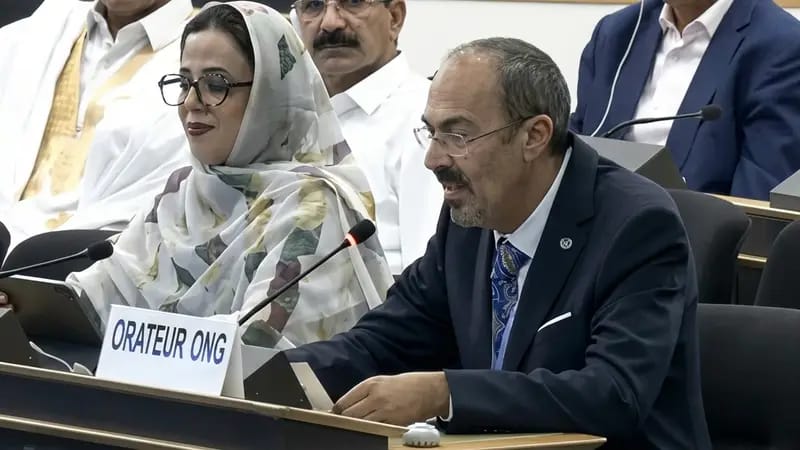
Speaking to the press on Tuesday during the establishment of the security and community policing working group in Bungoma, Moses Ogolla, a representative from the National Counter Terrorism Center (NCTC), said that as an organization, they are tasked by the government to coordinate all counter terrorism activities within the Country.
“Today we have visited Bungoma County with the main objective of forming the security and community working group that is going to help to curb all the challenges that are terrorism related,” Ogolla stated.
He affirmed that the strategy gives a limelight to all cases raised from the grassroots to be escalated and reported to the deputy county commissioner (DCC).
Ogolla added that the organization has come up with a way of making those who report the information from the grassroots confidential calling the locals to report suspicious information within their localities.
He argued that despite Bungoma being widely regarded as a peaceful county, leaders and residents should not assume that the region is free from cases or threats of violent extremism.
He noted that extremist activities often thrive quietly within communities through radicalization, misinformation and exploitation of vulnerable groups, especially the youth.
Ogolla emphasized the need for proactive measures, vigilance and close collaboration between security agencies and members of the public to identify early warning signs and prevent such threats before they escalate into insecurity and violence.
He said the new reporting model is more effective and responsive compared to the traditional ‘Nyumba Kumi’ approach noting that it places the community at the center of information gathering and sharing.
He explains that under the new strategy, information flow begins directly from the locals at the grassroots level before reaching community policing teams and security agencies for action.
According to him, the approach is designed to encourage trust, timely reporting and active public participation in addressing security concerns, including cases of radicalization, crime and violent extremism.
He added that empowering communities to take part in their own security strengthens early warning systems and enhances cooperation between citizens and law enforcement agencies.
Also Ogolla cited previous incidents of the Sabaot Land Defence Forces (SLDF) in Mt Elgon as some of the cases that can drive the formation of terror groups.
“Bungoma being a border county places it at risk of experiencing violent extremism cases that is why we picked it for the implementation of our project,” he stated.