A Statement by Dr. Kelvin Osore, President, Kenya Veterinary Association (KVA)
The Kenya Veterinary Association (KVA) notes the forecasts by the World Meteorological Organization (WMO) and other international climate agencies indicating a high probability of El Niño conditions developing and persisting through the remainder of 2026 into early 2027. The anticipated weather conditions pose significant risks to Kenya’s livestock sector, including increased incidence of vector-borne and climate-sensitive diseases, livestock injuries and mortalities, damage to livestock infrastructure, disruption of livestock value chains, and threats to the livelihoods of millions of pastoralists and livestock farmers. Kenya has experienced these impacts before, and the lessons from previous El Niño events demonstrate that preparedness, coordination, and timely communication are critical to reducing their impact.
Lessons from the 2023–2024 El Niño
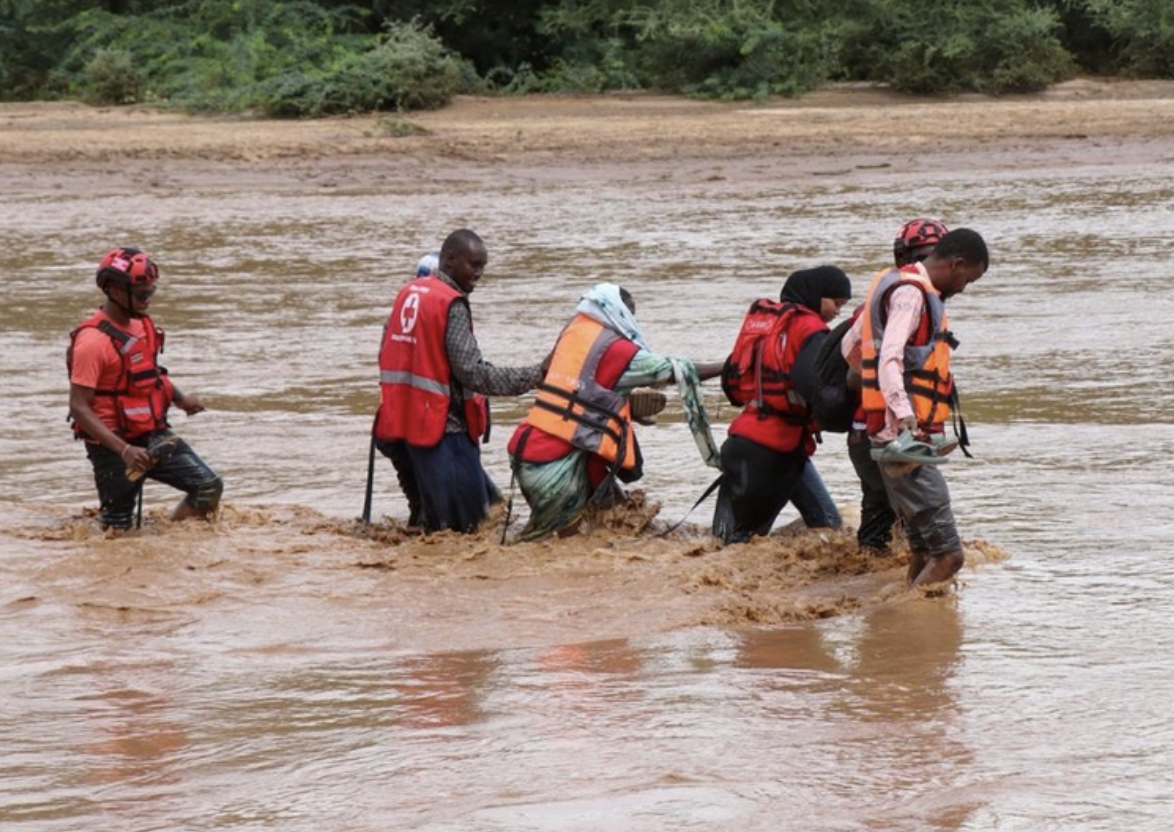
The 2023–2024 El Niño event resulted in widespread flooding, displacement of communities, destruction of infrastructure, livestock losses, contamination of water sources, and outbreaks of water-borne diseases in several parts of the country. For livestock-dependent households, these impacts translated into reduced incomes, food insecurity, and prolonged recovery. These experiences remind us that preparedness is considerably less costly than emergency response after disasters have already occurred.
Progress on Preparedness
KVA welcomes the ongoing preparedness initiatives being undertaken by the Directorate of Veterinary Services (DVS). During a recent consultative meeting between DVS and KVA, the Directorate outlined key preparedness measures that include:
- Enhanced surveillance for vector-borne and climate-sensitive livestock diseases.
- Vector and parasite monitoring and control.
- Strengthening laboratory diagnostic and veterinary response capacity.
- Pre-positioning vaccines and emergency veterinary supplies.
- Strategic livestock vaccination against priority diseases, including Rift Valley Fever and other climate-sensitive diseases.
- Strategic feed and fodder preparedness, rehabilitation of water points, and livestock safety measures.
- Development of public risk communication strategies through information, education, and communication materials and community engagement.
- Welcoming the Directorate’s commitment to work closely with county governments and other stakeholders in implementing these preparedness measures.
Areas Requiring Urgent Action
While these initiatives provide a strong foundation, KVA believes that implementation must now be accelerated through:
- Adequate and timely financing of preparedness activities.
- Launching emergency pre-emptive livestock vaccination campaigns.
- Protecting water infrastructure and preventing disease outbreaks.
- Activating emergency destocking programmes by September 2026.
- Deploying mobile veterinary units to high-risk pastoral areas.
- Rapid mobilization of national and county resources.
- Strengthened coordination between national government, county governments, and development partners.
- Timely dissemination of public advisories and farmer awareness messages.
- Expansion of surveillance, vaccination, and emergency veterinary response capacity in high-risk counties.
- Strategic pre-positioning of vaccines, veterinary medicines, laboratory supplies, feed, and fodder reserves before the onset of heavy rains.
- Protection of critical livestock infrastructure and water sources.
- Continued development of contingency plans for livestock movement, emergency response, and recovery.
Joint Commitment
KVA and DVS have agreed to strengthen collaboration in several priority areas, including:
- Public risk communication and farmer awareness.
- Technical advocacy on the anticipated impacts of El Niño on the livestock sector.
- Joint resource mobilization.
- Development of a comprehensive costed preparedness and response proposal to support implementation.
- KVA remains committed to leveraging its nationwide network of veterinary professionals to support government efforts in educating livestock keepers, strengthening disease surveillance, and promoting timely reporting of disease outbreaks.
Message to Livestock Farmers
KVA encourages livestock owners to begin preparing now by:
- Consulting veterinary professionals regarding recommended vaccination programmes.
- Strengthening vector and parasite control measures.
- Protecting feed and water supplies.
- Identifying safe areas for livestock where flooding may occur.
- Reporting unusual animal illnesses or deaths immediately to veterinary authorities.
- Following official advisories issued by the Directorate of Veterinary Services and County Veterinary Departments.
Conclusion
The anticipated El Niño event presents a significant challenge but also an opportunity for Kenya to demonstrate the value of early preparedness, coordinated action, and strong partnerships. The Kenya Veterinary Association stands ready to work alongside the Directorate of Veterinary Services, county governments, development partners, and livestock producers to safeguard animal health, protect livelihoods, and strengthen national resilience. Through coordinated action, effective communication, and timely implementation of preparedness measures, Kenya can substantially reduce the impact of the anticipated El Niño season on the livestock sector.
By Dr. Kelvin Osore
President, Kenya Veterinary Association (KVA)