There is no shortage of advice at State House. If anything, Kenya may have discovered the opposite problem: an abundance of advisers and a scarcity of visible wisdom.
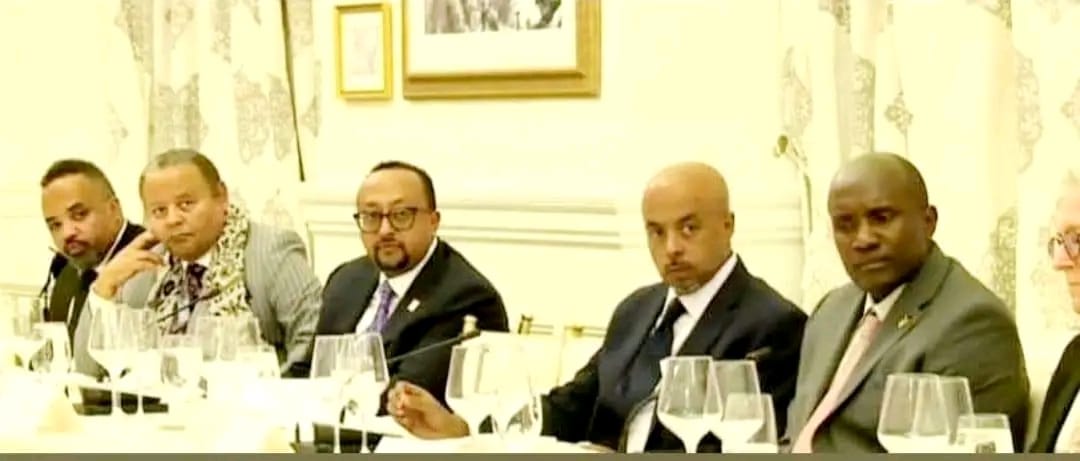
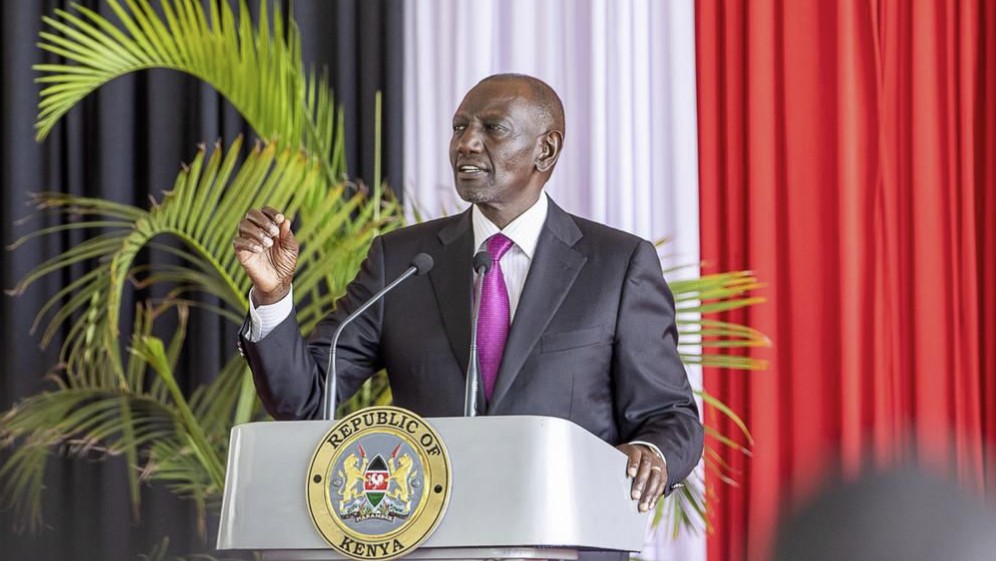
President William Ruto reportedly has around 20 advisers. Some reports have placed the remuneration associated with such senior advisory positions at about Sh1.8 million a month, with benefits and allowances potentially adding to the taxpayer’s bill. That is an impressive concentration of expensive counsel around one man. And so Kenyans must ask the obvious question: what exactly are all these people advising the President to do?
A presidential adviser is not supposed to be ornamental furniture in the corridors of power. Neither should the position become a comfortable parking bay for political allies, campaign loyalists or members of the great republic of “people who must be accommodated.”
Advisers should advise. And advice should eventually become visible in the quality of government. That is where the mystery begins. If 20 highly placed minds are constantly whispering wisdom into the presidential ear, why does governing Kenya so often appear to involve discovering the consequences of policy after implementing it?
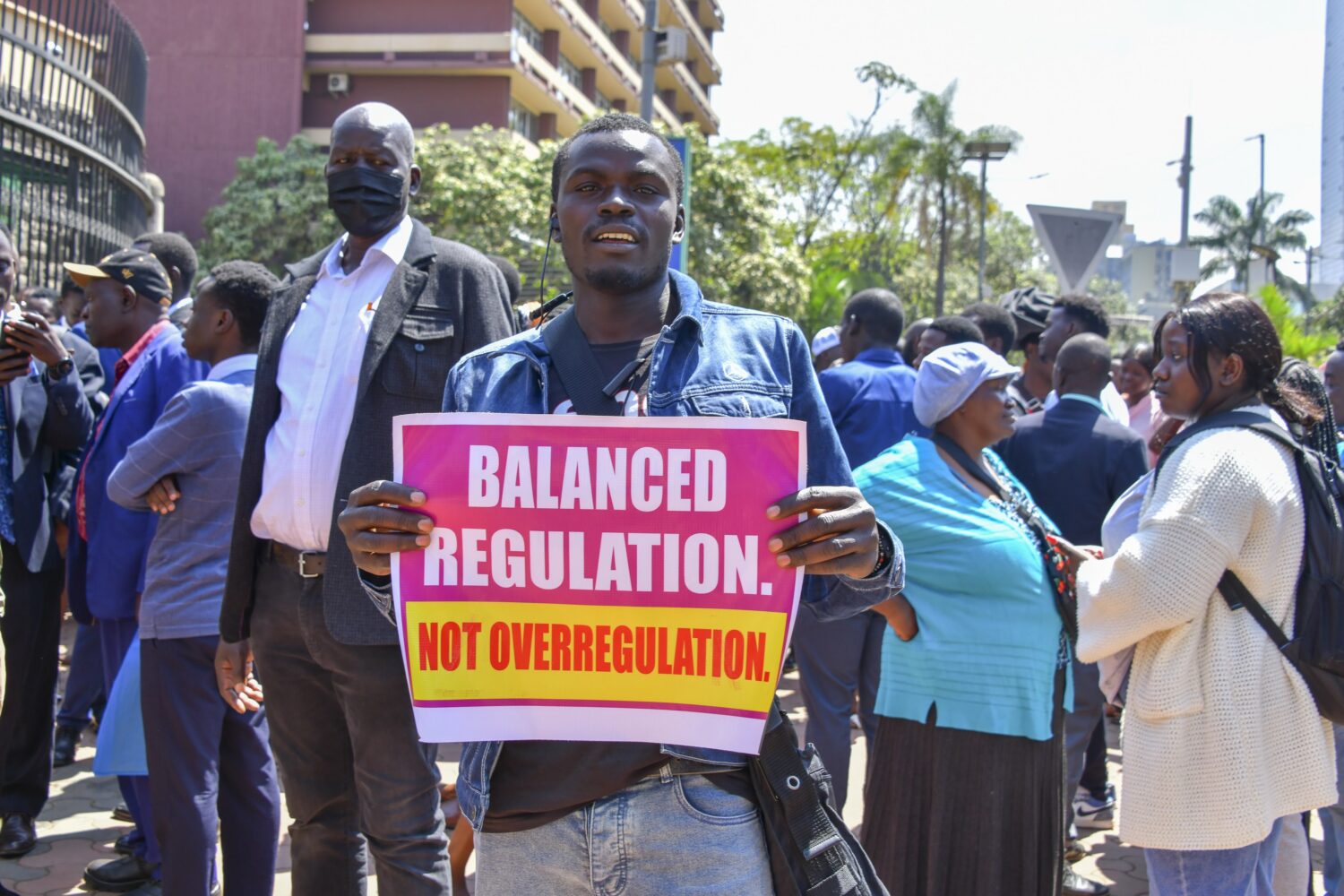
Who advises on taxation? Someone around the President should surely have explained that an economy is not a cow that can be milked indefinitely without being fed. You cannot tax consumption, income, fuel, businesses and transactions from every conceivable direction and then express surprise when households reduce spending, businesses struggle and citizens become angry. There is a limit beyond which revenue mobilisation begins suffocating the economy expected to generate that revenue. This is Economics 101. It should not require 20 advisers.
Who advises on public debt?Borrowing itself is not inherently irresponsible. Governments borrow to finance productive infrastructure and investments that expand future economic capacity. But debt becomes dangerous when tomorrow’s income is increasingly consumed paying for yesterday’s borrowing. At that point, a country can find itself running merely to remain where it is.
Surely among this formidable assembly of presidential wisdom there is somebody capable of walking into the President’s office and saying: “Sir, perhaps another loan is not always the answer.” And if nobody can say that, what precisely is the taxpayer purchasing?
Perhaps there is an adviser for public sentiment. If there is, that person has one of the easiest jobs in Kenya because citizens are hardly whispering their frustrations. They are shouting them. Young people are worried about jobs. Parents are worried about school fees. Patients worry about healthcare. Entrepreneurs complain about the cost of doing business. Employees watch their payslips being attacked from several directions before their salaries reach their pockets.
You do not need sophisticated opinion polling to discover that many Kenyans are economically exhausted. Sometimes the best presidential adviser is the supermarket receipt. It does not flatter.
Then there is political advice. Somebody must tell every President that criticism is not treason. A democracy cannot function if every critic is treated as an enemy, every protest as insurrection and every uncomfortable question as sabotage. Governments become stronger when institutions tolerate scrutiny, not when state power becomes hypersensitive to dissent.
The President therefore needs advisers courageous enough to tell him that political stability cannot be manufactured by suppressing disagreement. It comes from citizens believing that institutions are fair, laws apply equally and government listens even when it disagrees.
But perhaps the greatest problem with presidential advisers everywhere is not incompetence. It is proximity to power. Power has a peculiar climate. The closer people move towards its centre, the warmer agreement becomes and the colder dissent feels. Before long, advisers stop advising and start applauding. The courageous sentence, “Mr President, you are wrong”, disappears from the room. It is replaced by: “Excellent idea, Your Excellency.”
That is how presidential bubbles are constructed. Layer by layer, uncomfortable information is filtered out. Officials learn the mood of the boss. Advisers discover which opinions open doors and which ones close them. Political allies report that everything is going wonderfully.
Then election day arrives and everybody suddenly discovers that the citizens had been having an entirely different conversation. A useful adviser must therefore occasionally be an irritant. The job is not to protect the President from bad news. It is to protect the President from bad decisions.
That distinction is worth remembering. Kenyans are entitled to demand value because these advisers are not being maintained by private generosity. They are supported by taxpayers. And this is where the matter becomes morally uncomfortable.
Government repeatedly tells Kenyans that the fiscal situation requires sacrifice. Citizens must sacrifice. Workers must sacrifice. Businesses must sacrifice. Motorists must sacrifice. Parents must sacrifice.
But somehow the doctrine of sacrifice appears to lose its theological force somewhere near the gates of State House. Government can hardly preach austerity downstairs while practising abundance upstairs. If every shilling matters, then every publicly funded office must justify itself.
This does not mean publishing confidential conversations with the President. Presidents require private counsel. But citizens are entitled to know broadly what presidential advisers do, what policy areas they oversee, what public value their offices create and why maintaining such an extensive advisory machinery is necessary.
There is, of course, another explanation. Perhaps these advisers are brilliant. Perhaps they wake every morning, study the economy, examine public opinion, analyse policy and deliver magnificent recommendations. Perhaps they repeatedly tell the President exactly what Kenya needs. And perhaps the President simply does not listen. That would actually be worse. Because an adviser whose advice is permanently ignored is not an adviser. He or she is an expensive spectator with an office.
Ultimately, the question is not whether William Ruto has too many advisers. He could have five, 20 or 100. The question is whether the quality of government reflects the quantity of advice surrounding him. A nation struggling with debt, heavy taxation, unemployment, declining purchasing power and growing public frustration cannot be expected to admire the architecture of presidential counsel merely because it exists.
Results are the only convincing evidence that advice has occurred. Twenty advisers. Millions of shillings in public expenditure. One President. And nearly 60 million Kenyans waiting for evidence that somewhere inside State House, somebody is giving advice worth taking. Because if this is what government looks like after all the advice, one trembles to imagine what would happen without it.