
As Kenyans marked Madaraka Day this past Monday, many reflected on the freedoms, opportunities and responsibilities that have shaped our nation over the past six decades. At the same time, the world celebrated World Milk Day, recognizing the contribution of dairy farming and nutrition to communities across the globe.The coincidence of these two observances is perhaps more meaningful than it first appears.Madaraka Day celebrates self-governance and the ability of a people to determine their own future. World Milk Day celebrates nourishment, growth and the systems that sustain communities. At their heart, both are reminders that nations are built not only through institutions and policies but through families.
In an age increasingly defined by technology, urbanization and rapid social change, it is easy to overlook the central role that families continue to play in shaping society. Yet every successful community, every thriving economy and every resilient nation begins at home.It is within families that values are first taught, responsibilities are first learned and aspirations are first nurtured.
Perhaps this is why the transition from May into June feels particularly significant. May gave us the opportunity to celebrate mothers and the extraordinary role they play in raising families, building communities and holding society together, often through unseen sacrifices. June follows with Father’s Day, reminding us that fathers too play a vital role in providing guidance, protection, mentorship and stability.
These occasions are not merely calendar events. They serve as important reminders that strong societies are built upon strong family units. The family remains the first school a child attends and often the most influential institution they will ever encounter.
It is where character is formed, where resilience is developed and where a sense of belonging is created.
In the dairy industry, these themes resonate deeply. Milk has long occupied a unique place at the family table. It is one of the simplest yet most powerful symbols of care and nourishment. Across generations, a glass of milk has represented more than nutrition; it has represented a parent’s commitment to the well being of their family.
This connection between nutrition, family and community was further highlighted yesterday during World Milk Day. Behind every packet of milk, every cup of yoghurt and every dairy product on a supermarket shelf are thousands of farming families whose livelihoods depend on agriculture.
In counties such as Nyandarua, dairy farming is more than an economic activity. It is a way of life. Entire communities are sustained through the dedication of farmers who rise before dawn each day to care for their animals and produce the milk that feeds the nation.
These families form the foundation of a value chain that supports jobs, education and economic growth far beyond the farm gate.
Yet the family does not exist in isolation. It thrives within a broader community and an environment that supports its growth.
That is why June’s observance of World Environment Day and World Oceans Day carries equal significance. Healthy families require healthy ecosystems. Clean water, fertile soils, responsible agricultural practices and environmental stewardship are not abstract concepts. They directly affect the well being and prosperity of communities.
The future of food security, public health and economic development will depend heavily on how responsibly we manage these shared resources today.
The interconnectedness of family, community and environment is something we witnessed firsthand recently in Nyandarua County.
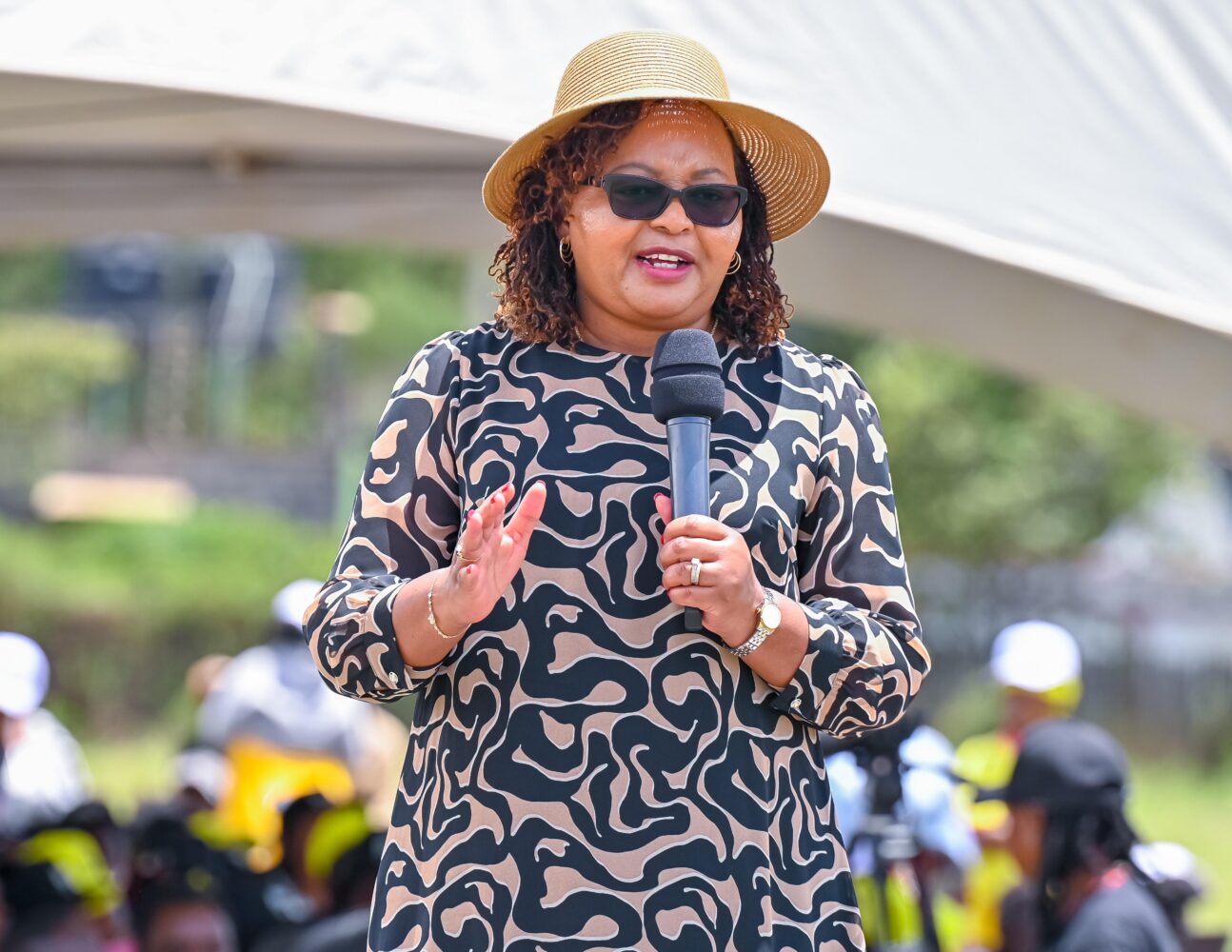
Earlier this month, Kinangop Dairy Limited joined students, parents, teachers and well-wishers in a fundraising walk organized by Karima Girls High School. The initiative sought to raise funds to support needy students and ensure that financial hardship does not become a barrier to education.
As a company rooted in the region, we were proud to participate in the walk and contribute both financial support and milk products to the students.
What stood out most was not the fundraising target itself but the spirit behind the initiative.
People from different backgrounds came together for a common purpose. Parents supported children who were not their own. Community members invested in futures they may never directly benefit from. Local organisations stepped forward to offer assistance.
In many ways, that walk reflected the very best of Kenya.It demonstrated that while challenges may exist, communities still possess a remarkable capacity to care for one another.
The success of any nation ultimately depends on these acts of collective responsibility.
This spirit of community is something we have been privileged to experience in our own journey as a brand.
Earlier in May, Kinangop Dairy was honoured to receive the Yoghurt Brand of the Year award at the FMCG Awards. While such recognition is appreciated, it also serves as a reminder that no achievement occurs in isolation.
The award belongs as much to the farmers who supply quality milk, the employees who uphold production standards, the distributors who ensure products reach consumers and the families who choose our products every day.
Success, whether for a family, a business or a nation, is rarely an individual accomplishment. It is almost always the result of collective effort.
As we begin the month of June, perhaps the greatest lesson from Madaraka Day and World Milk Day is that progress is ultimately a shared responsibility.Strong nations require strong communities.
Strong communities require strong families. And strong families require care, support and environments in which they can thrive.
In a world that often celebrates individual achievement, there remains tremendous value in recognising the institutions that quietly sustain society every day.
The family is one of those institutions.
Madaraka celebrations offered an opportunity to honour our country’s journey. The weeks ahead will provide opportunities to celebrate fathers, protect our environment and strengthen our communities.
As we do so, we would do well to remember that the future we hope to build for Kenya begins not in boardrooms, parliaments or public squares, but around family tables, within homes and among communities willing to invest in one another.
That is where lasting progress starts.