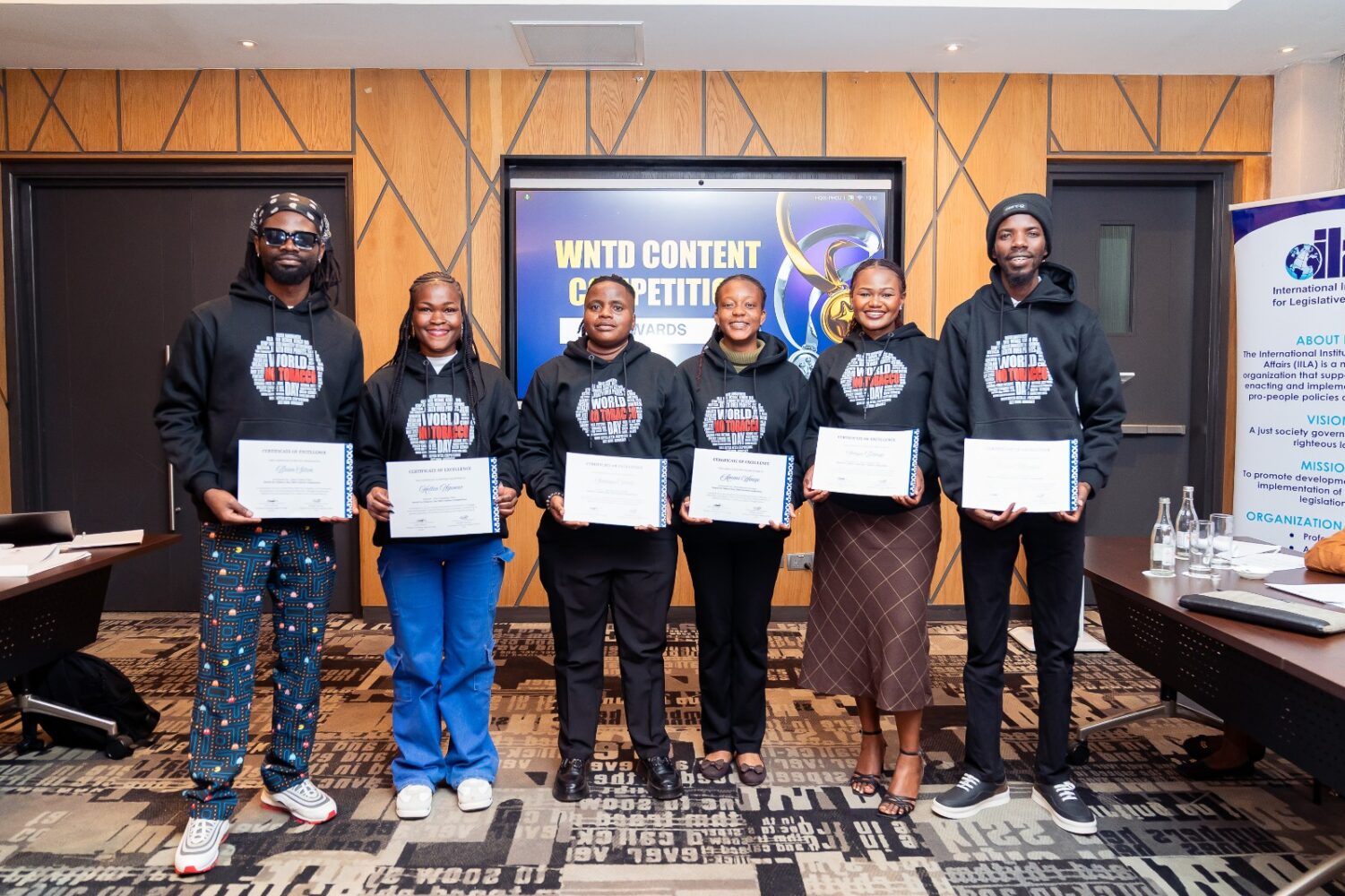
Young creatives are using poetry, comedy, music and digital storytelling to challenge tobacco and nicotine use among their peers, turning personal experiences into advocacy messages.
Among them is Sumaya Msah, popularly known as Apondi the Poet, whose relationship with tobacco-control advocacy is rooted in her childhood.
Msah says she was exposed to second-hand tobacco smoke while growing up with a grandmother who struggled with tobacco addiction. She later faced her own battle with addiction, an experience that now informs her advocacy work.
She has since turned to spoken-word poetry to engage young people on the dangers of tobacco and nicotine products.
Her approach earned her the Best Advocacy Message award at the World No Tobacco Day 2026 Youth Content Competition, an initiative that brought together young creatives to communicate tobacco-control messages through poetry, videos, storytelling and other digital content.
For Msah, the issue goes beyond the health effects of smoking.
“Tobacco control isn’t just about lungs and cigarettes; it’s about breaking a cycle that can start in childhood.”
She performs at schools, community events and youth concerts and also uses social media to reach a wider audience. Her piece, “Fegi Ni Thegi,” draws on her personal experiences while questioning the normalisation of tobacco use.
“Statistics and warning labels don’t always reach people the way a story does,” she says.
Msah was among several young creatives recognised during the competition, which had three award categories.
Hellen Ngweno and Sonya Carson won Most Engaging Content, while Apondi the Poet and Amani Maria were recognised for Best Advocacy Message. Collins Mosigisi and Brian Silweyz received the Most Creative Content award.
For Mosigisi, tobacco advocacy also grew from an experience during childhood.
He recalls picking up a discarded cigarette filter out of curiosity before his mother intervened. He says the incident later contributed to his understanding of tobacco and nicotine use.
Mosigisi now uses comedy, music, poetry and spoken word to engage young people on issues affecting them.
“My approach is simple: I use art to start conversations that ordinary messages sometimes cannot.”
He says the competition has also encouraged a broader conversation about the way tobacco and nicotine products are marketed and consumed by young people.
“The conversations have moved beyond simply saying ‘smoking is bad’ to asking deeper questions: Why are young people being targeted?”
For him, the recognition is also a call to continue the work.
“Winning the challenge was not the finish line; it was a reminder that the real work must continue.”
The Most Engaging Content category considered audience interaction, with likes, comments, reposts, shares and bookmarks forming part of the assessment.
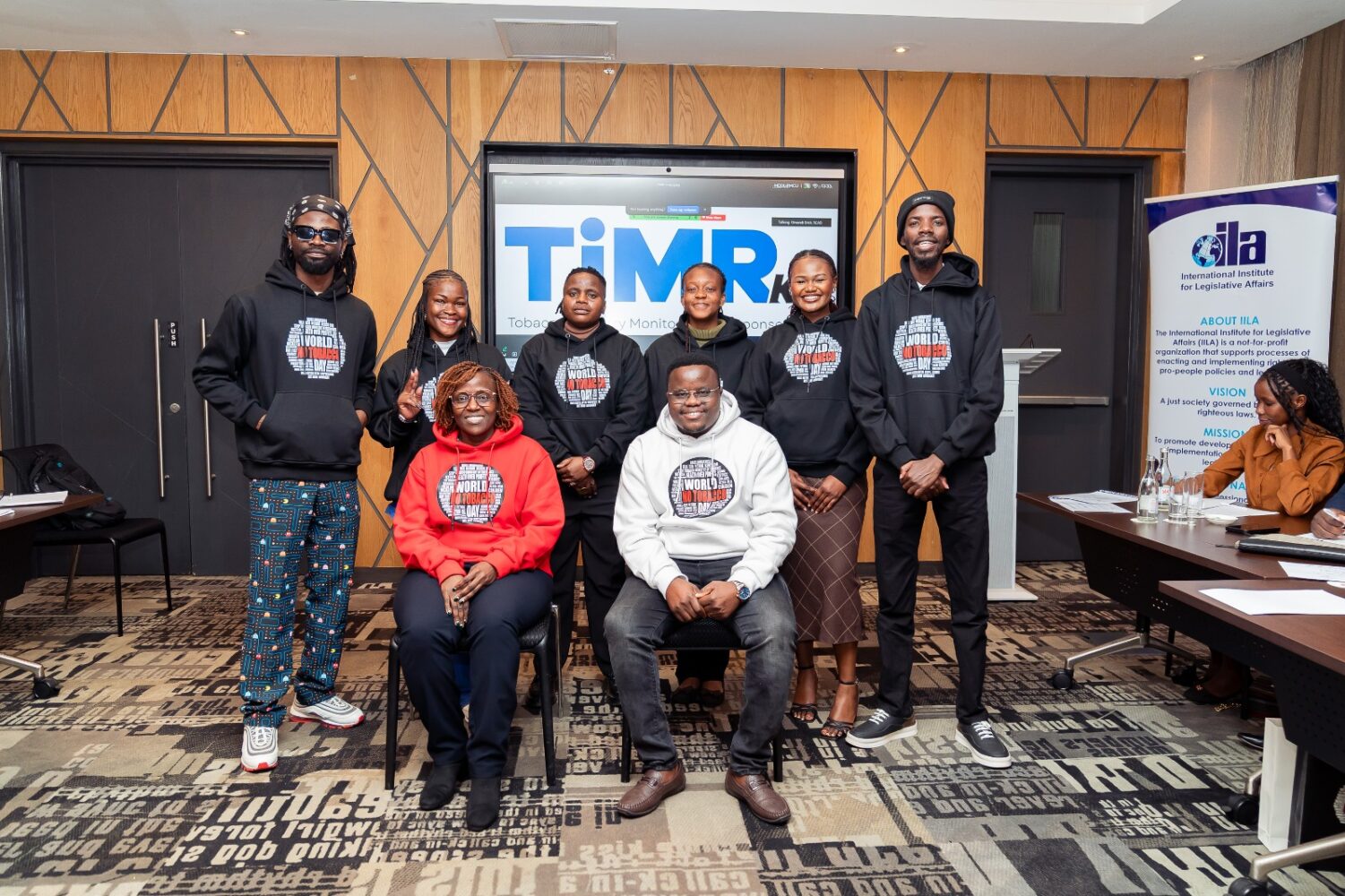
Erick Omondi, Chairperson of the Youth Engagement Committee, says tobacco-control communication needs to reflect the realities of young people and reach them on platforms where they spend their time.
“Tobacco and nicotine products are not simply a health issue. Their consequences extend across our communities, while also creating economic and social burdens and contributing to environmental harm.”
Omondi says creative communication can give young people a more active role in tobacco-control advocacy rather than positioning them only as recipients of health information.
Winlight Harrison, Vice Chairperson of the Youth Engagement Committee, says the competition was designed to move beyond simply providing information.
“We didn’t just want to give them information; we wanted them to understand the issue, make it personal and then communicate it in a way that another young person could relate to.”
Harrison says the initiative should be sustained through mentorship and additional opportunities for youth-led advocacy.
The competition was organised by the WNTD Youth Engagement Sub-committee under the CSO World No Tobacco Day planning committee, bringing together youth organisations involved in tobacco control and youth engagement.
Organisers say the awards are intended to provide a platform for sustained youth participation in tobacco-control advocacy.
For Msah and Mosigisi, the competition has demonstrated how personal experiences can be turned into creative messages capable of opening conversations about tobacco and nicotine use among young people.