

As Kenya’s digital platform economy continues to expand, labour experts are raising concerns that the country’s legal framework has failed to keep up with the rapid growth of algorithm-driven work, exposing millions of workers to new forms of exploitation and uncertainty.
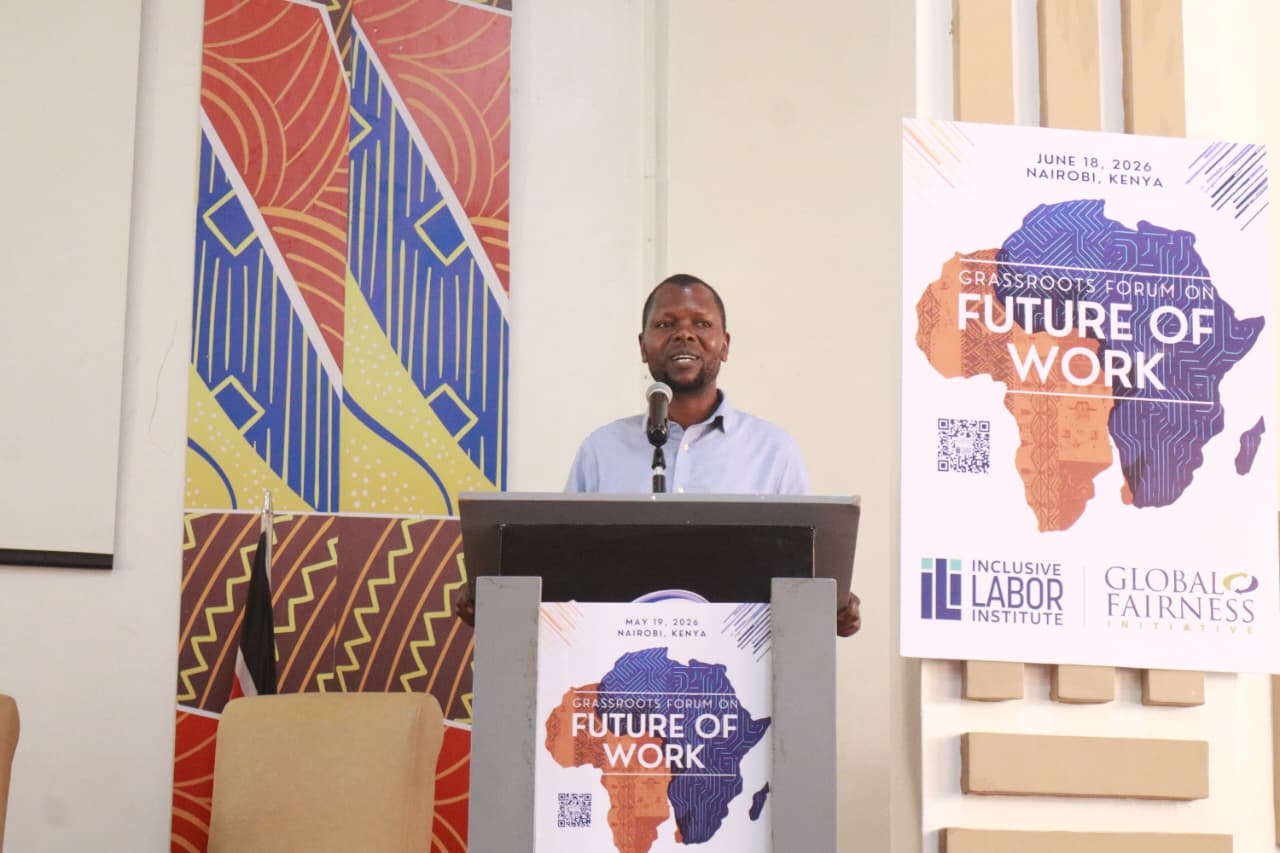
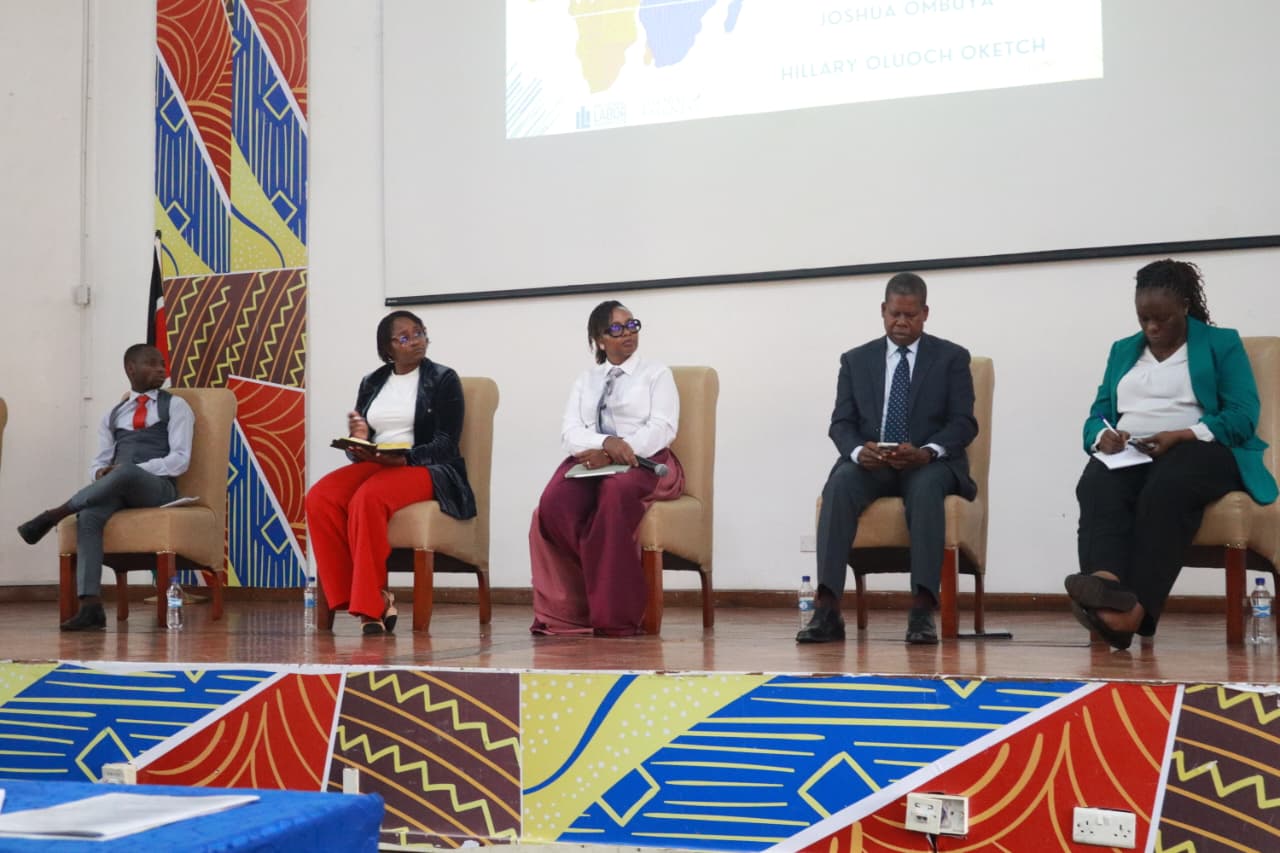
The concerns were raised during the Grassroots Forum on the Future of Work held at the Kenya Institute of Curriculum Development (KICD) in Nairobi, where labour rights advocates, researchers, trade unionists and government officials examined the changing nature of work in the digital age.
According to the Kenya National Bureau of Statistics Economic Survey 2026, the informal sector now accounts for 83.8 percent of total employment in Kenya, employing 18.1 million workers, while the formal sector absorbs only 16.2 percent.
Jacqueline Wamae, Regional Coordinator at the International Lawyers Assisting Workers Network, said digital technologies have fundamentally altered workplace relationships, with algorithms increasingly taking over managerial roles previously performed by human supervisors.
“In the digital economy, it’s the algorithm that is the boss,” Wamae said.
She explained that algorithms now determine how workers access jobs, monitor productivity, calculate pay rates and evaluate performance, often without transparency or accountability.
“When you’re accessing work, sometimes it’s through the algorithm. When you’re working, your productivity, your rates and how you’re going to be paid are determined by an algorithm,” she said.
Wamae said that workers carrying out similar tasks under similar conditions can receive different compensation because of algorithmic calculations that are often poorly understood by users.
She also warned about the growing trend of platform deactivation, where workers lose access to income-generating platforms without explanation or an opportunity to challenge the decision.
“Most workers are often kicked out of the platform without necessarily being told why they are being deactivated,” she said.
According to Wamae, many digital platforms lack effective human oversight mechanisms, leaving workers with little recourse when disputes arise.
Her concerns were echoed by Ambira Jua Kali Association Secretary General Hillary Oluoch Oketch, who said platform-based work has introduced new vulnerabilities for workers operating in Kenya’s informal economy.
“Many people wake up to find their accounts deactivated, with no offices to appeal to and no safety nets available to them,” Oketch said.
He identified income instability, intense competition, outsourcing, high compliance costs, limited access to finance and platform-related risks as some of the key challenges facing workers in the sector.
Wamae argued that Kenya’s labour laws, most of which were enacted before the rise of platform-based employment, do not adequately address emerging issues such as algorithmic management and digital labour relations.
“Our 2007 laws did not envision the digital economy,” she said.
She further called for reforms to occupational safety and work injury compensation laws to address psychosocial risks increasingly associated with digital work, including isolation, fatigue, constant pressure to remain available and exposure to disturbing online content.
“Our occupational health and safety laws need to change to incorporate psychosocial risks,” she added.
The forum also highlighted the disproportionate burden borne by women in the digital and informal economy.
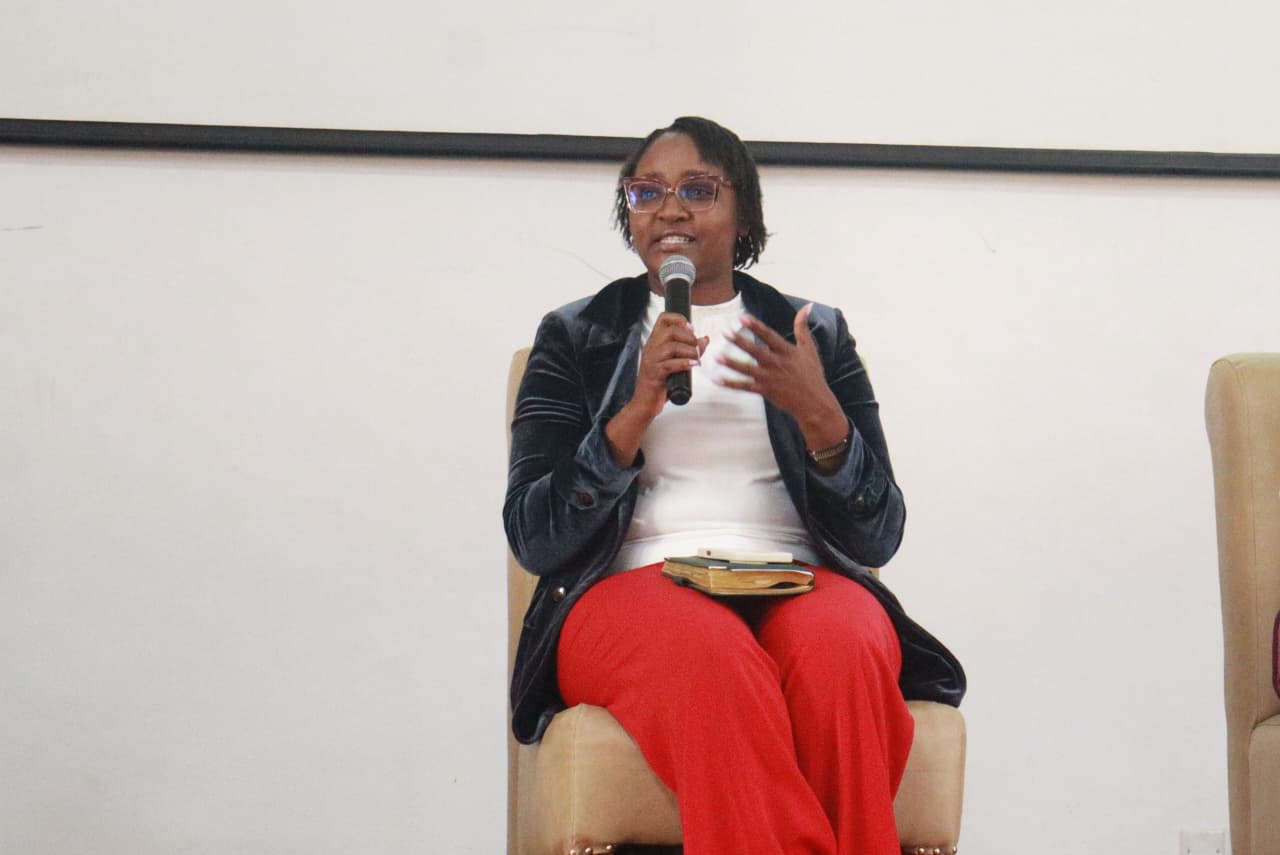
Rachel Keeru, a researcher at the Women Economic Empowerment Hub at the University of Nairobi, cited data showing that women perform four times more unpaid care and domestic work than men.
She estimated that unpaid care work contributes between Sh2 trillion and Sh2.5 trillion annually to the economy, equivalent to approximately 23.1 percent of Kenya’s Gross Domestic Product.
Keeru observed that many women working in informal and platform-based jobs remain excluded from benefits commonly available in the formal sector, including maternity protection, social security and workplace flexibility.
“Women in the informal economy have no social protection and maternity leave policies do not apply to them,” she said.
She cautioned policymakers against treating women and youth as a single homogeneous group, arguing that interventions are often ineffective because they fail to account for differing realities and needs.
“They’re not a homogeneous group. Women and youth have different needs, and even women themselves have different realities depending on where they live and their circumstances,” Keeru said.
She cited differences between urban and rural women, women with young children, women in formal and informal employment and those living in arid and semi-arid regions.
“What we often see is programmes lumping women and youth together, yet each group faces unique challenges that require targeted responses,” she added.
Keeru advocated for gender-transformative policies that address the needs of specific groups, including women with disabilities, widows and single mothers.
“When interventions are designed for specific groups, they are more likely to achieve meaningful impact,” she said.
Despite the challenges, she pointed to Kenya’s National Care Policy as a major milestone, describing it as the first policy of its kind on the African continent.
“Kenya is one of the countries being used as a benchmark because it is the first country in Africa to develop a national care policy,” she said.
The policy has already been approved by Cabinet and is currently before Parliament as Session Paper No. 2 of 2026.
Keeru also highlighted county-level initiatives including the childcare facility at Ngong Market, which enables women traders to work while their children are cared for in a safe environment.
On the international front, Wamae welcomed the adoption of International Labour Organization Convention 193 on the Platform Economy, describing it as an important step towards regulating algorithmic management and strengthening protections for platform workers.
“The international community adopted the first-ever standard which recognizes algorithmic management in the digital economy,” she said.
However, she acknowledged that implementation and ratification remain significant challenges for many countries, including Kenya.
Union representative Joshua Ombuya questioned where informal and platform workers can seek redress when labour disputes arise.
“Issues that arise from the formal sector are dealt with in the Labour and Employment Court. Where do we take issues that arise from the informal sector?” he asked.
Ombuya said labour unions have already submitted proposals to the Labour Commission seeking stronger protections for workers in the informal and digital economy.
Labour Commissioner Hellen Apiyo of the Ministry of Labour and Social Protection reiterated the government’s commitment to ensuring all workers are recognized and protected regardless of the sector in which they operate.
She said the government is committed to building a future of work that is inclusive, fair and responsive to the realities of a rapidly evolving labour market.