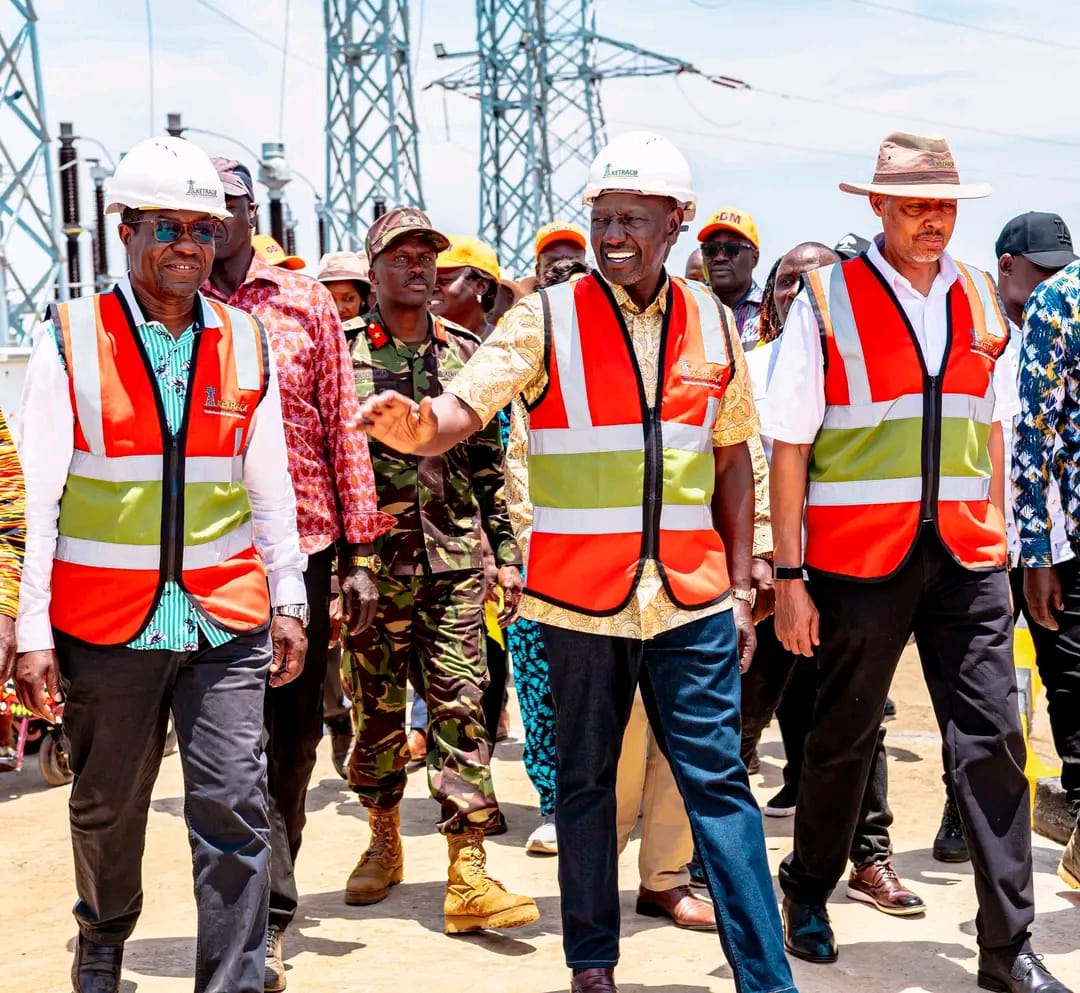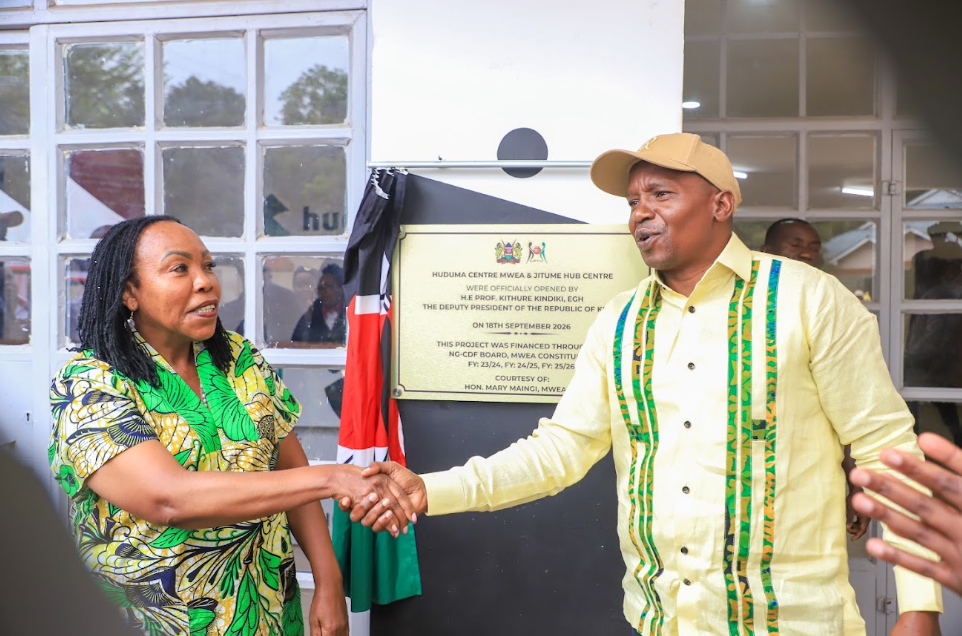

As Kenya edges closer to the 2027 General Election, one of the country’s oldest cultural traditions is once again emerging as an influential political stage.
Across Bungoma, Trans Nzoia and parts of Kakamega, the Bukusu circumcision season is drawing politicians eager to connect with communities, share in cultural celebrations and earn the goodwill of respected elders.
Alongside the traditional chinyimba songs that celebrate bravery and the transition into manhood, songs praising or referencing prominent political leaders have increasingly become part of the festivities. This reflects how the season has evolved into an important social and political gathering.
For many leaders, attending the ceremonies offers an opportunity to strengthen ties with thousands of residents gathered in villages. For the Bukusu community, the rituals remain a sacred rite of passage whose cultural significance extends far beyond politics.
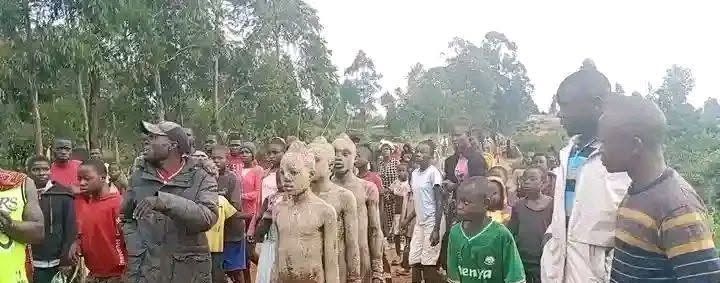
As dawn breaks across the rolling hills of Bungoma and Trans Nzoia, the sound of chinyimba (traditional circumcision songs) echoes through villages. It signals the beginning of one of the Bukusu community’s most revered cultural rites.
Held every even-numbered year, the circumcision season is more than a ceremony. It is a sacred journey that transforms boys into men through courage, discipline and community values.
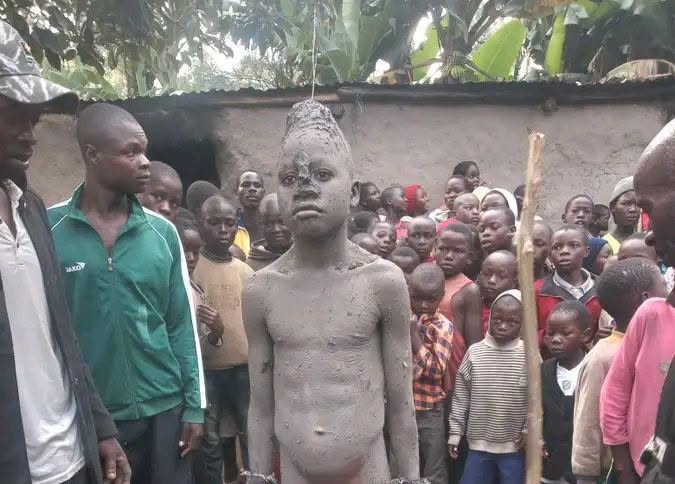
Families, friends and entire villages gather in colourful celebrations, making the season one of western Kenya’s biggest cultural spectacles. It is also, increasingly, a gathering point for national and local political leaders.
The process begins weeks before the knife is ever drawn. Elders, known as Bakasa, mentor initiates on responsibility, respect and the expectations of manhood.
As the day approaches, the boys are taken through emotional and symbolic rituals. These include visits to relatives, blessings from grandparents and spirited dances accompanied by the thunderous beats of Isikuti drums.
The atmosphere is electric, with chants of “Khwera Omurwa!” urging the initiates to remain fearless.
In recent years, many families have also embraced modern health practices. Initiates undergo medical check-ups, counselling and health education before the ceremony, ensuring the cultural rite is observed safely.
On the eve of the ceremony comes the famous Khuminya procession. Initiates dance through the village surrounded by singing crowds.
At dawn, they proceed to the river for the traditional cleansing ritual known as Khulonga. It is believed to prepare both body and spirit for the life-changing moment ahead.
While many families still choose the traditional public circumcision performed by the respected Omukhebi (circumciser), an increasing number now opt for hospital-based circumcision carried out by trained medical professionals.
Even then, most return home to continue with cultural celebrations, songs, blessings and teachings. This ensures the essence of Bukusu identity is preserved despite changing times.
The journey does not end with circumcision.
During the healing period, initiates enter seclusion where they receive intensive teachings on leadership, marriage, respect for elders, hard work, self-discipline and community responsibility.
Today, these lessons have expanded. They now include education, entrepreneurship, financial literacy, responsible use of social media, drug and substance abuse awareness, civic responsibility and respect for women.
Upon completion, they graduate into adulthood through celebratory ceremonies. They become recognised members of age sets known as Bibingilo, including Bakolongolo, Bakikwameti, Bachuma, Basawa, Bakanananchi, Bakinyikewi, Bamaina, and Babanyange, preserving Bukusu history while embracing modern realities.
Today, the Bukusu circumcision season stands as a powerful example of culture adapting without losing its identity.
As political leaders mingle with elders, dancers and initiates in villages across Bungoma and Trans Nzoia, and as songs bearing the names of some leaders echo alongside traditional melodies, the season continues to show how culture can influence public life without losing its sacred purpose.
While elections will come and go, the values, identity and heritage passed from one generation to the next remain the enduring legacy of the Bukusu rite of passage.