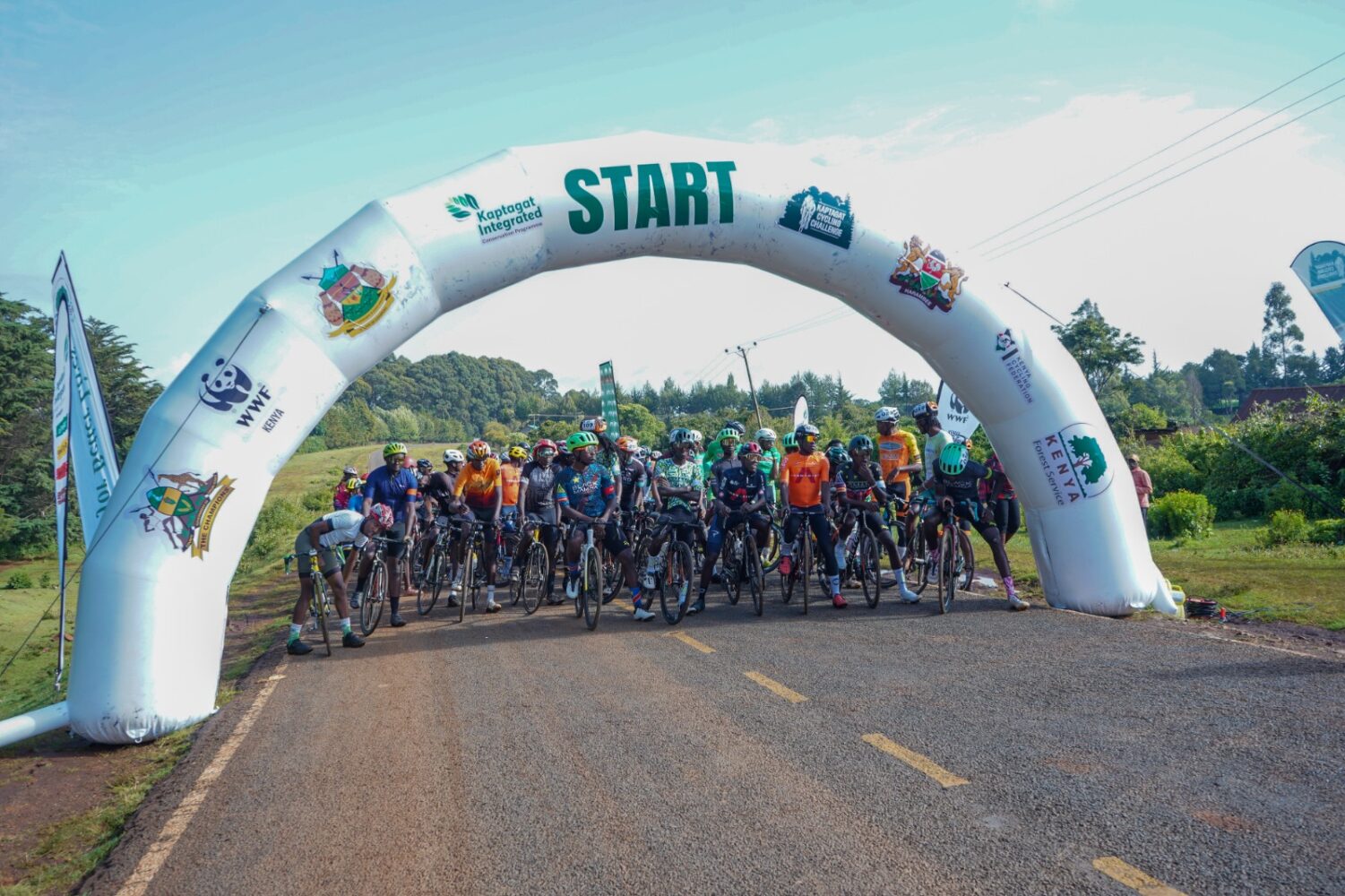
The route is set, the riders are ready and one of Kenya’s most unique sporting spectacles is poised to unfold as cyclists prepare to tackle the demanding 80-kilometre Kaptagat Cycling Challenge on Saturday.
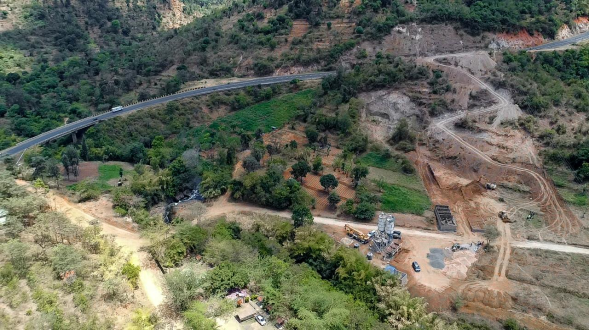
Starting and finishing at Kaptagat Farm Resort, competitors will power through the picturesque high-altitude towns of Chepkorio, Nyaru, Chororget, Kaptarakwa, Kipchawat, Moim, Tendwo, Brockley and Bombo before returning to the finish line in a race where every kilometre carries a purpose beyond competition.
The challenge, which features elite, para-cycling, junior, veteran and team categories, will see winners pocket KSh200,000, but organisers say the event’s greatest reward lies in its contribution to restoring the Kaptagat Forest ecosystem, one of Kenya’s most important water towers.
Race Director Ciarán Fitzpatrick said the Kaptagat Cycling Challenge has redefined what a cycling competition can achieve by combining elite sport with environmental restoration.
“What makes the Kaptagat Cycling Challenge unique is not just its breathtaking high-altitude course or the rare experience of racing from start to finish through a living forest ecosystem. It is the purpose behind every pedal stroke, every climb and every drop,” he said.
Fitzpatrick noted that every kilometre ridden contributes to the restoration of the Kaptagat Forest, with cyclists leaving behind a lasting conservation legacy.
“It is the ultimate win-win. Cyclists compete for prize money that advances their sporting careers while, at the same time, helping to restore one of Kenya’s most important water towers and strengthen the livelihoods of the communities that protect it,” he said.
He added that the challenge is “a race where every ride grows a forest, every forest transforms lives, and every cyclist becomes part of a lasting conservation legacy.”
The event has become a key pillar of the Kaptagat Integrated Conservation Programme (Kaptagat-ICP), which blends sport, environmental restoration and sustainable livelihoods to protect the Kaptagat Forest ecosystem.
The forest forms part of the Cherangani Hills Water Tower, with more than 120,000 hectares under protection and a 240,000-hectare buffer zone that supports biodiversity, climate resilience and major river systems.
On his part, Chief Conservator of Forests Alex Lemarkoko said the challenge directly supports Kenya’s ambitious 15 Billion Trees Campaign, while demonstrating how conservation can create economic opportunities.
“The Kaptagat Cycling Challenge is much more than a sporting event. It is a win for nature, for people and the sports economy. Cyclists compete for attractive prize money while their registration fees directly support the restoration of Kaptagat Forest. They also leave behind a lasting legacy by planting trees, making every ride an investment in Kenya’s 15 Billion Trees Campaign.”
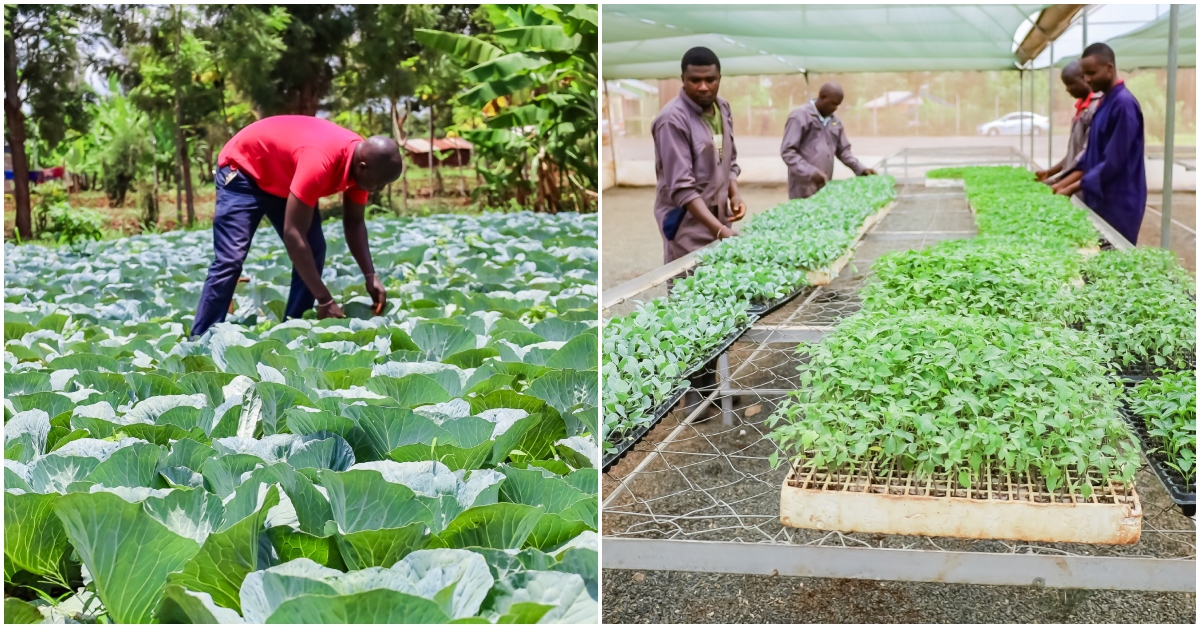
He added that the programme has become a national benchmark for community-led conservation by creating sustainable livelihood opportunities through dairy farming, biogas systems and nature-based enterprises that reduce pressure on the forest.
As the conservation programme celebrates its 10th anniversary, its Patron and National Treasury Principal Secretary, Dr. Chris Kiptoo, said the milestone marks the beginning of an even bigger mission.
“The Kaptagat Cycling Challenge is far more than a race. It is a celebration of purpose where sport, forest restoration and community livelihoods come together in one extraordinary experience,” he said.
He added that the 10th edition also launches the programme’s ambitious “10 to 20” vision.
“As we mark the 10th edition of the Kaptagat Integrated Conservation Programme, we are launching our ’10 to 20′ vision, a commitment to double our impact over the next decade. Our model uniquely integrates sports, conservation and sustainable livelihoods, proving that environmental protection and economic empowerment can advance together.”
As riders push through Kaptagat’s punishing climbs and sweeping descents, the race will once again prove that every kilometre ridden is another step towards achieving Kenya’s 15-billion-tree target and Kaptagat-ICP’s “10 to 20” vision of doubling its conservation impact over the next decade.