Kenya’s 15 Billion Trees Initiative is emerging as both an environmental restoration programme and an economic opportunity, with more than KSh 450 billion expected to flow directly to local communities through seedling production, commercial nurseries and restoration enterprises.
The Government aims to grow 15 billion trees by 2032 as part of efforts to reverse deforestation, restore 10.6 million hectares of degraded landscapes and improve Kenya’s climate resilience.
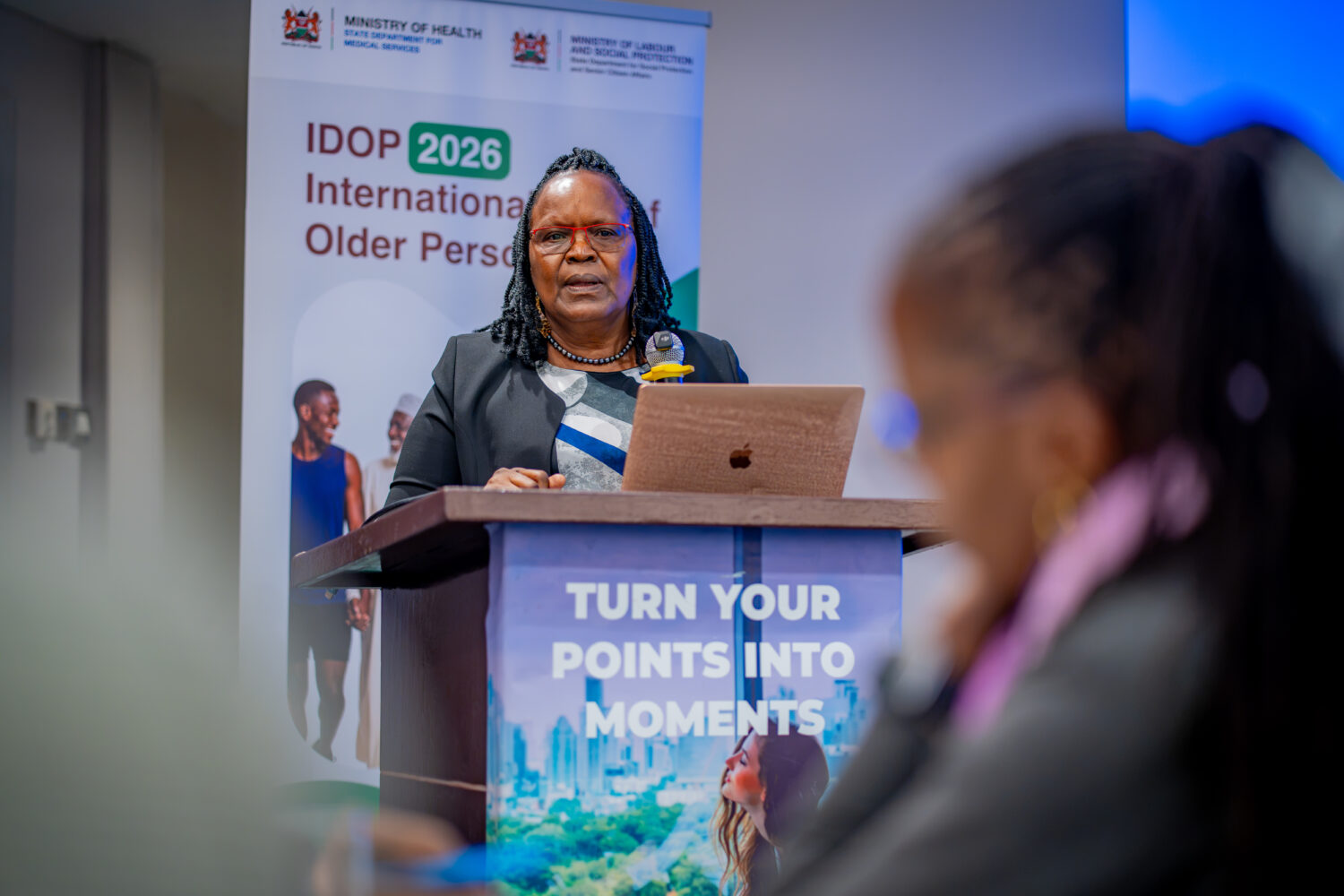
Principal Secretary for Forestry Gitonga Mugambi said the scale of the programme would create opportunities for communities while contributing to job creation, water and food security and green growth.
“Growing 15 billion trees requires 15 billion high-quality seedlings,” Mugambi said, highlighting the potential for communities to participate in the tree-growing value chain.
The State Department for Forestry is coordinating implementation through the 15 Billion Trees Secretariat, with the initiative anchored in the National Landscape and Ecosystem Restoration Strategy (2023–2032).
The strategy provides the roadmap for restoring forests, water towers, rangelands, wetlands, marine areas, agro-ecosystems, settlements and infrastructure.
Kenya’s forest cover currently stands at 8.8 per cent, against a national target of 30 per cent by 2032. Mugambi said forest cover declined from 12 per cent between 1990 and 2010 to six per cent before recovering to its current level.
The Government is also tracking tree-growing progress across all 47 counties through the JazaMiti platform, with emphasis on nurturing trees to maturity rather than simply counting seedlings planted.
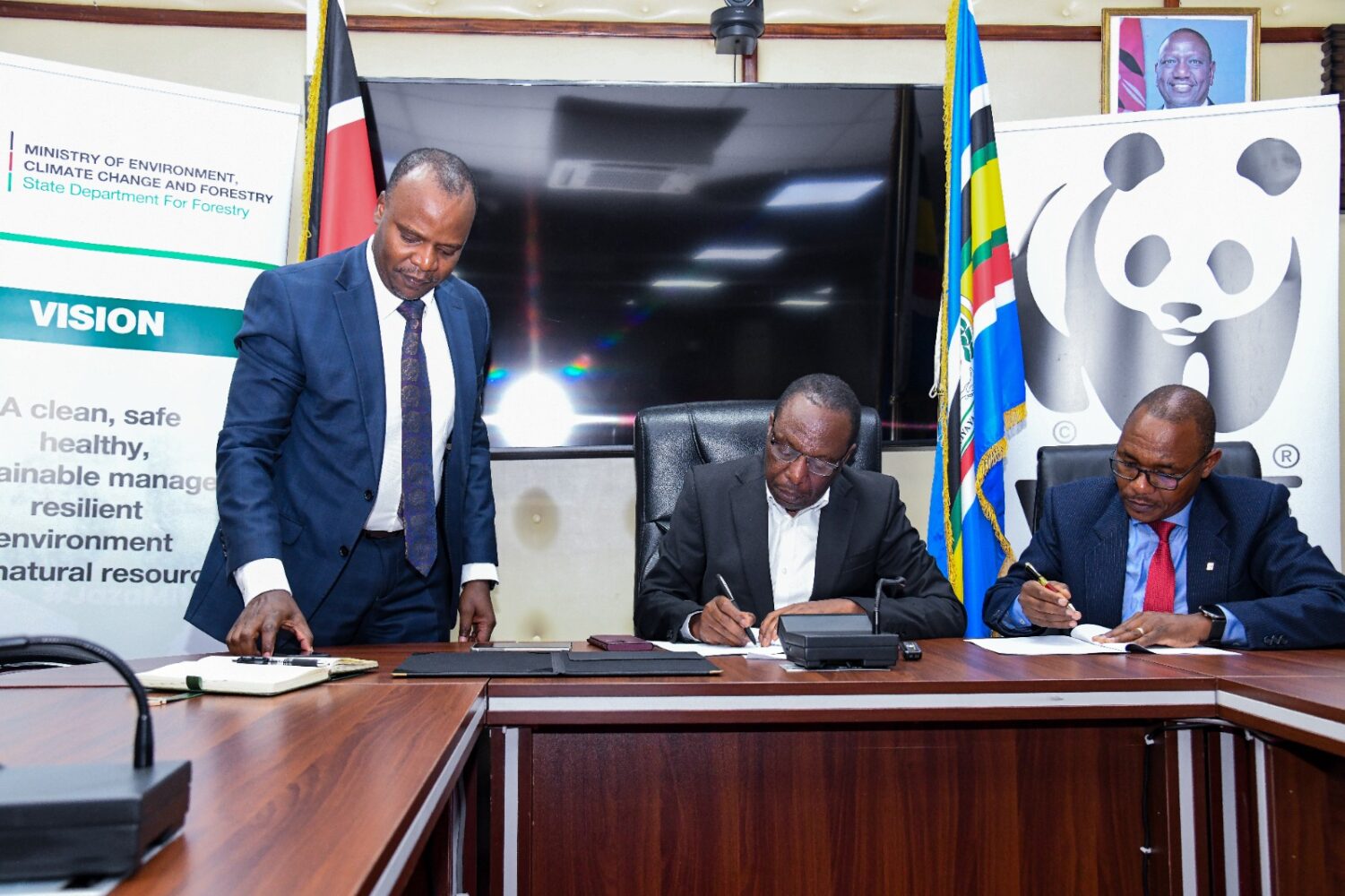
To strengthen the national restoration effort, the State Department for Forestry has formalised a five-year strategic partnership with the World Wide Fund for Nature Kenya (WWF-Kenya).
Under the partnership, WWF-Kenya will provide technical support to the 15 Billion Trees Secretariat on integrated landscape restoration and livelihood programmes. It will also work with public and private sector partners to replicate successful landscape models and mobilise financial and technical resources.
WWF-Kenya CEO Jackson Kiplagat said lasting restoration requires communities to benefit alongside nature.
“Environmental stewardship and economic dignity must grow together,” Kiplagat said.
The Kaptagat Integrated Conservation Programme provides a model for this approach. Championed by WWF-Kenya since 2020, the programme covers 26,902 hectares across six forest blocks in the Northern Mau ecosystem.
More than 2,700 hectares of forestland have been restored, with over 1.8 million seedlings planted.
The programme operates around four pillars: Pesa Mfukoni, focused on household income; Kawi Safi Nyumbani, clean energy at home; Maji Nyumbani, clean water for households; and Mazingira Safi, healthy landscapes.
Etio and Yogot dams constructed under the programme provide clean water to 15,000 farmers and have created 2,000 direct jobs. Community farmers have also received 95 cross-breed heifers, beehives and high-value cash crops.
The partnership will also support citizen participation through WWF-Kenya’s #KeepKenyaBreathing platform, launched in 2018 to give corporates, schools and individuals a direct avenue to participate in tree growing.
More than 3.06 million seedlings grown by citizens and corporates have been mapped through the platform across at least 25 counties, including Elgeyo-Marakwet, Lamu, Narok, Kwale and Nairobi.
WWF-Kenya is targeting one billion trees across its priority landscapes through the platform.
Mugambi called on state and non-state actors, corporates and citizens to adopt landscapes and grow trees, while Kiplagat urged companies to move beyond single planting days and support landscapes until trees are established.