Kenya’s digital skills drive has received a major boost, with the Raspberry Pi Foundation and its local partner STEAMLabs Africa confirming that 1,000 Code Clubs are now running in schools nationwide.
This comes at a time when the Kenyan government continues to prioritise digital literacy under its Digital Economy Blueprint and as schools expand computing content under the Competency Based Curriculum.
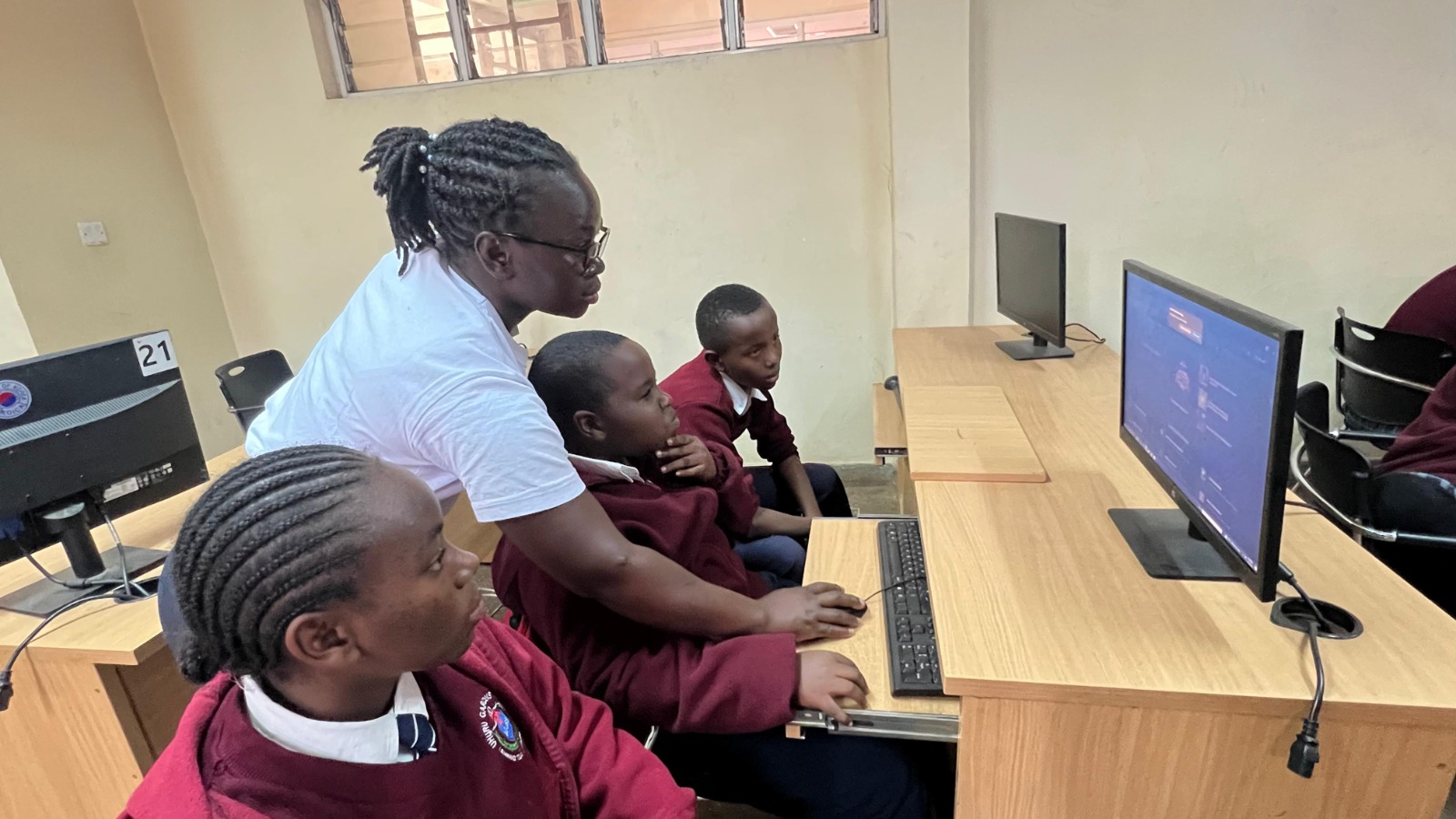
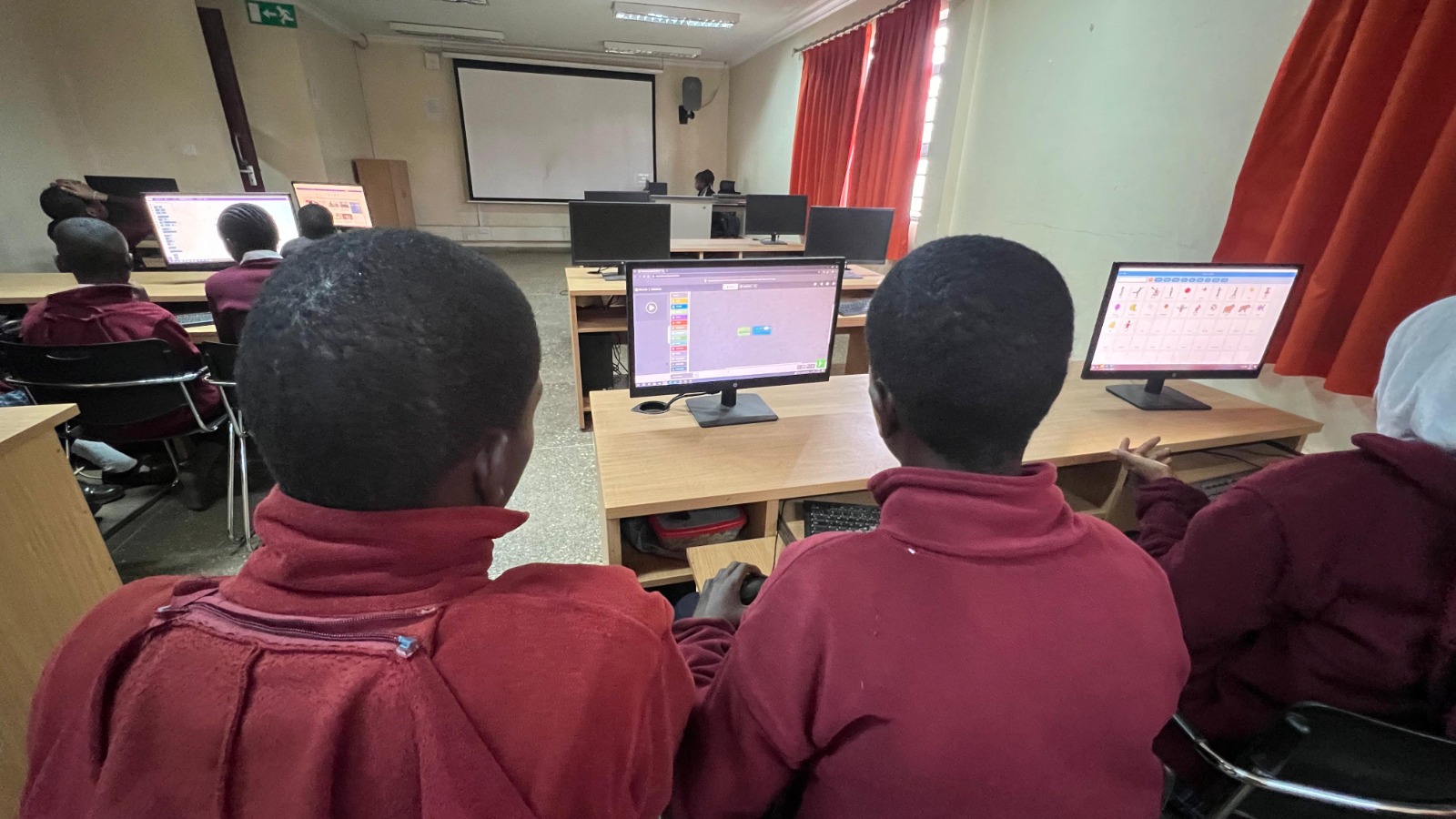
At Uhuru Gardens Comprehensive School in Nairobi, a Grade 7 student named Craig isn’t just learning to use a computer he’s building on one. His project a Scratch game about climate action, designed to teach other kids why small habits like tree planting matter.
“I built it to show how small actions like tree planting can help our environment,” Craig says. “Coding makes it fun and easy to share these important ideas with others.”
Craig’s club is one of 1,000 now running across Kenya under the Code Club network, a free, global coding programme backed by the UK-based Raspberry Pi Foundation.
Locally, most of the growth has come through Kenyan partner STEAMLabs Africa, which says it now supports over 330 clubs in 40 of the country’s 47 counties.
Raspberry Pi Foundation chief executive Philip Colligan called the milestone only the beginning. “This achievement belongs to the teachers, mentors, partners and young people who are building a vibrant movement for computing education across Kenya”, he said.
Uhuru Gardens Comprehensive School Club leader Levinta Adendi has taught at the school for six years and says the change in her students has been fundamental.
“Before Code Club, many of my learners lacked the confidence to even touch or interact with a computer. Today, they are creating animations, building Scratch projects, designing games.”
STEAMLabs Africa’s Felix Malombe puts it simply.
“They are building their own projects, explaining their ideas with confidence, and beginning to see themselves as creators.”Kenya’s Digital Economy Blueprint names digital skills as a top priority, and schools are being asked to build more computing content into everyday learning under the Competency-Based Curriculum. Whether every county sees the same access remains an open ques