
Kenya’s Ebola outbreak has claimed a second life following the death of a 65-year-old woman who was receiving treatment for the Bundibugyo virus disease, the Ministry of Health has confirmed.
The woman was among the first three people diagnosed during the outbreak investigation and had been in contact with the initial patient, who died on October 6.
According to Health Director General Patrick Amoth, the patient began showing symptoms on October 13 while in quarantine. She was transferred to an infectious disease unit later that day, where healthcare workers provided supportive treatment until her condition resulted in death.
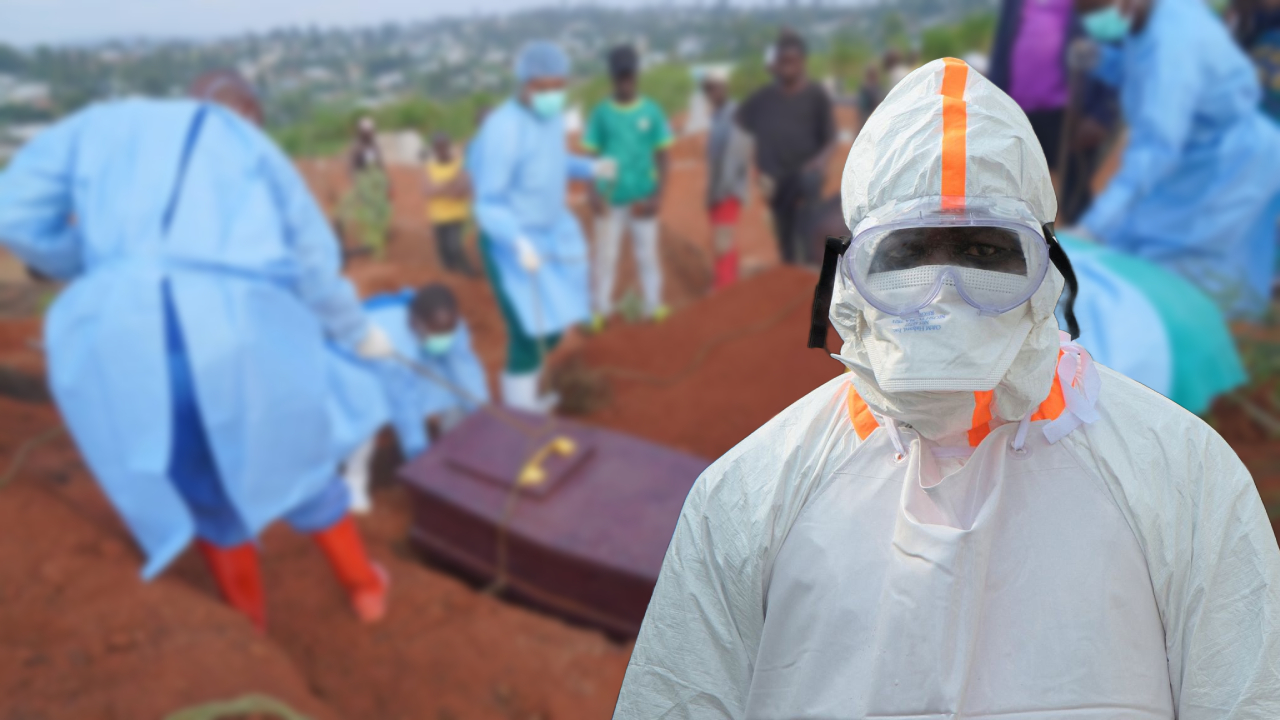
In an update released on Friday evening, the Ministry said preparations for her burial were being coordinated with relatives to ensure the process was conducted safely and with respect for the family’s cultural and religious practices.
The latest development raises the outbreak’s death toll to two, with nine confirmed infections reported so far. The other seven patients remain under medical care at two isolation centres.
Health officials said investigations continue to indicate that the infections are linked to a single group of known contacts. The Ministry reported no evidence that the virus has spread into the wider community.
Authorities have urged Kenyans to observe precautions to limit exposure, particularly by avoiding direct contact with the bodily fluids of infected individuals. The public has also been warned against handling the bodies of people who may have died from suspected infectious diseases.
The Ministry advised anyone experiencing possible Ebola symptoms, including fever, unusual weakness, muscle aches, vomiting, diarrhoea or unexplained bleeding, to seek medical attention without delay.
Kenyans requiring guidance on the outbreak can reach the Ministry through its toll-free hotline, 719, or send inquiries via WhatsApp on 0700 719 719.
The Ministry expressed sympathy to the bereaved family and appealed for their privacy to be respected as they come to terms with the loss.