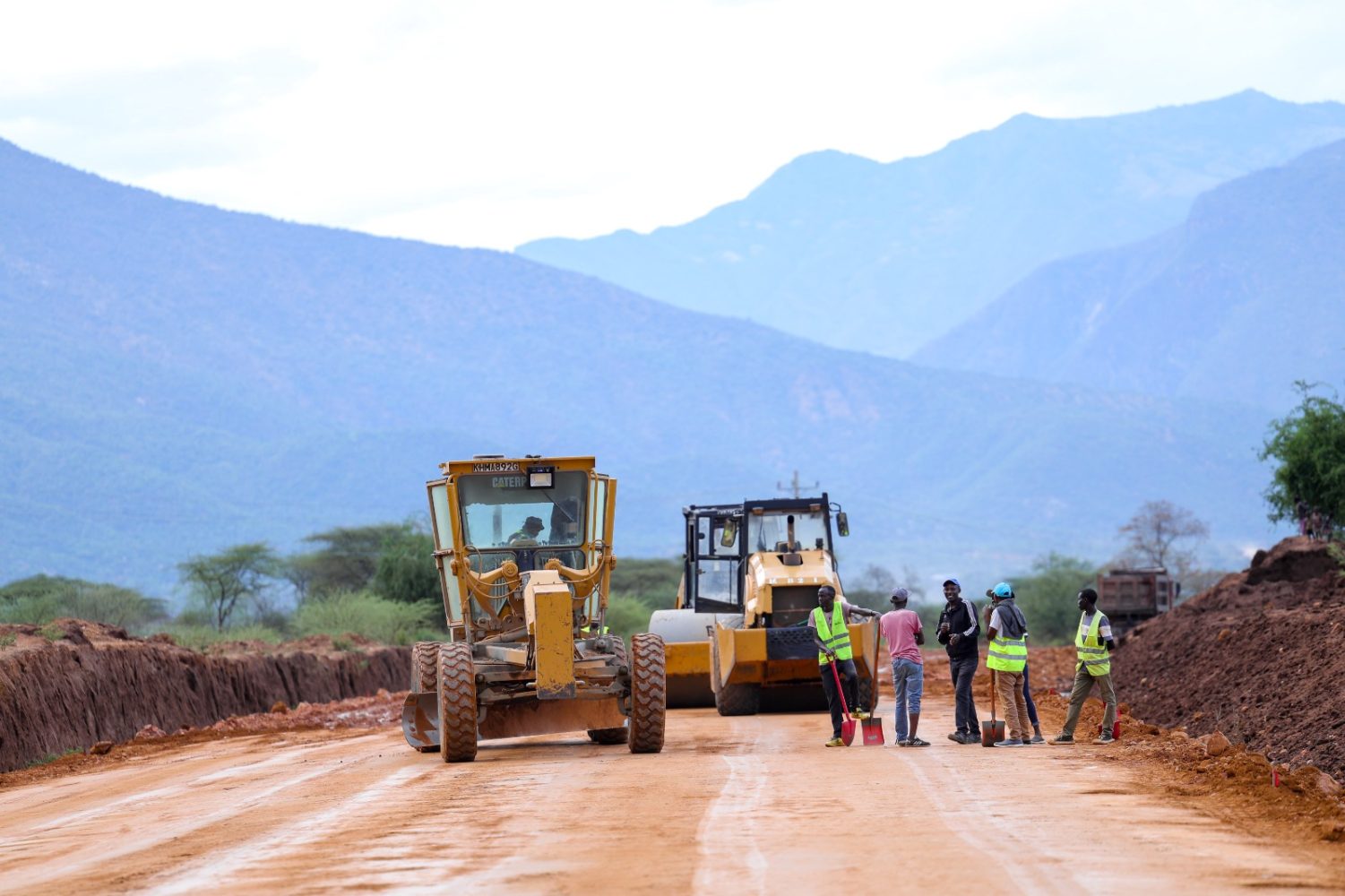
A better road is changing the economic outlook of communities along the Kopasi River–Lomut–Sigur–Marich Pass corridor, where improved access is creating new opportunities for livestock traders, farmers, businesses and property owners.
In Sigor, the change is becoming visible in local markets and along the roadside. Traders can access the area more easily, livestock buyers are arriving, and residents are reporting higher prices for animals and property.
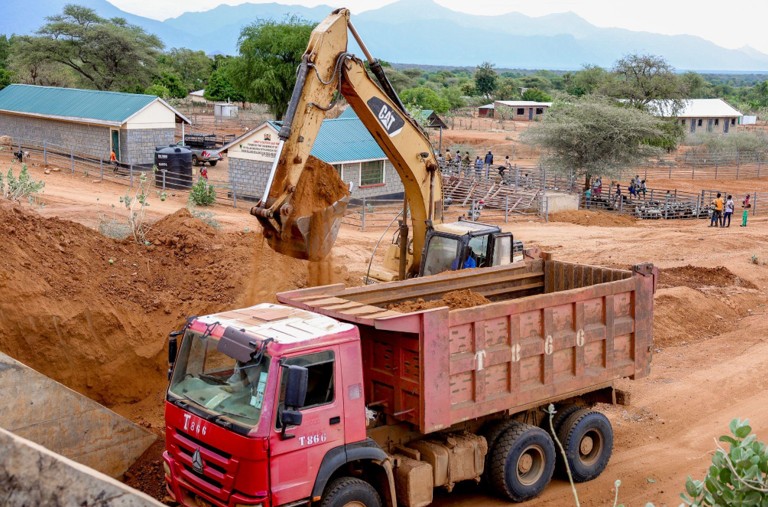
Boniface Katalai, a resident of Olu Village in Sigor, says the road has helped stimulate business in an area where insecurity and poor transport infrastructure previously constrained economic activity.
“Since the road was opened, I have noticed that the value of plots has increased significantly. Secondly, businesses have started to thrive,” he says.
He points to rising prices for goats, cattle and chickens sold along the road. The increased movement of buyers and sellers, he says, has created a more active trading environment.
“People are now coming here to buy and sell, and you will notice that goats are selling at much higher prices than they did before,” he adds.
The road forms part of a wider transport corridor linking Nakuru to communities across Baringo and West Pokot, passing through Marigat, Loruk, Nginyang, Barpelo, Tot, Kopasi River, Lomut and Sigor before reaching Marich Pass.
Lot Three, currently under construction, covers 31.4 kilometres from Kopasi River through Lomut and Sigor to Marich Pass.
Engineer Julius Owino, a Highway Engineer working with the Kenya National Highways Authority (KeNHA), says the improved corridor is expected to connect producers to larger markets and reduce the cost of transporting goods.
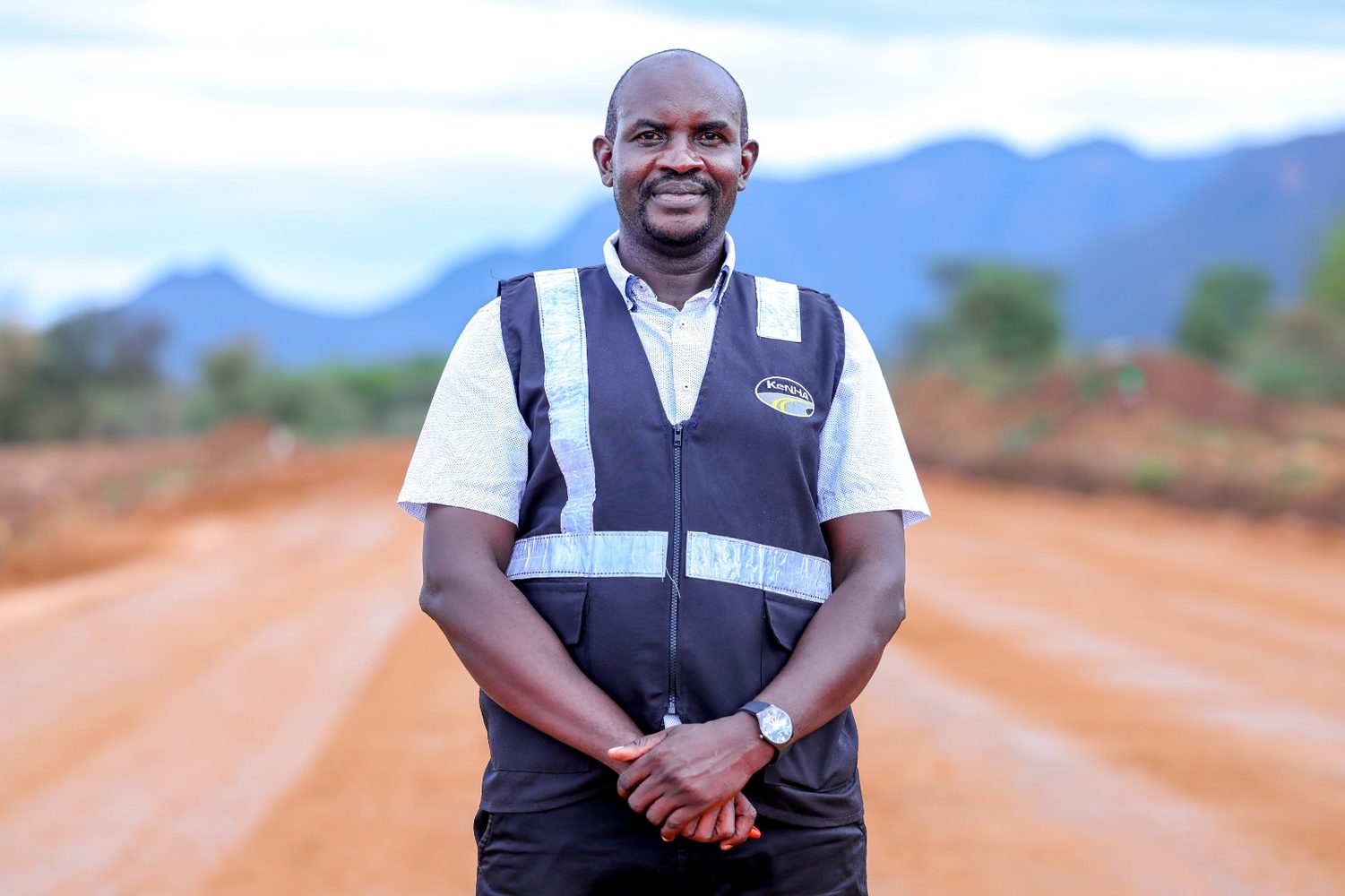
“This area has a lot of farmers. There are many mangoes being grown, as well as goats and cattle. There is a big market in Nairobi, and they can easily reach that market,” he says.
The shorter journey is expected to benefit livestock keepers and farmers by improving access to buyers beyond their immediate communities. It will also make it easier for traders to bring goods into the area, supporting the growth of local markets.
Engineer Owino says the project has achieved 56.5 per cent progress, with about 12 kilometres already tarmacked and earthworks 90 per cent complete. Three major bridges form part of the works: Parkino and Chepkuikui, each measuring 50 metres, and Murunji River Bridge, measuring 131 metres.
The road is also expected to reduce travel distance by approximately 70 kilometres for motorists travelling from Lodwar towards Nakuru and Nairobi. The more direct route through Baringo is projected to save between two and three hours, reducing fuel and transport costs.
Construction is providing an additional economic boost. Local residents have secured jobs, while aggregates and rock used in the works are sourced from the surrounding area.
The project also serves the Lomut and Sigor markets, which are important trading centres for communities across the region.
Boniface notes that the changes already visible in business and property values offer a glimpse of what improved connectivity could mean once construction is complete.
He is urging the government to expedite the remaining works so that more businesses can benefit.