The Law Society of Kenya (LSK), alongside the Bloggers Association of Kenya (BAKE), Article 19 East Africa and the Kenya Union of Journalists (KUJ), has moved to the Supreme Court to challenge sections of the Computer Misuse and Cybercrimes Act, 2018, saying the law gives the government too much power to monitor people’s private communications.
In a petition filed before the court, the petitioners are challenging Sections 48 to 53 of the law, which allow authorities to intercept digital communication, access subscriber information and carry out searches during cybercrime investigations.
The petition comes after a March 2026 ruling by the Court of Appeal that removed Sections 22 and 23 of the law, which had criminalised the publication of false or misleading information online.
In that ruling, the judges described the sections as “akin to unguided missiles likely to net innocent citizens,” saying they threatened freedom of expression.
However, the Court of Appeal allowed the surveillance-related sections to remain in force, prompting the new appeal before the Supreme Court.
The petitioners argue that the law allows State agencies to monitor emails, phone calls and other online communication for up to nine months.
They also say internet service providers and telecommunications companies can be forced to hand over subscriber information without enough safeguards.
The groups further claim the law gives authorities powers to search people found at premises targeted in cybercrime investigations, despite what they describe as weak judicial oversight.
According to the petitioners, the contested sections violate Articles 31 and 33 of the Constitution, which protect the right to privacy and freedom of expression.
“The issue before the court is whether these surveillance powers meet the constitutional threshold required in a democratic society,” the petitioners state in the court filings.
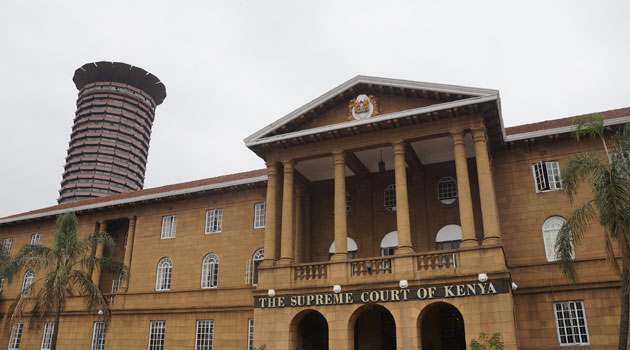
The Supreme Court has certified the matter as urgent, paving the way for fast-tracked hearings in a case expected to shape the future of digital rights, online freedoms and State surveillance in Kenya.
Those listed as respondents in the case include the Office of the Director of Public Prosecutions, the Office of the Attorney General, the National Police Service through the Inspector General, and the National Assembly of Kenya through the Speaker.