For decades, persons with disabilities in Kisumu County have remained on the margins of governance, unheard in policy formulation, invisible in budgeting processes and excluded from critical public participation forums.
From inaccessible public spaces and discriminatory social attitudes to weak institutional frameworks and limited representation, the barriers have remained deeply rooted, locking thousands of Persons With Disabilities (PWDs) out of decision making spaces.
But across the lakeside county, a transformative movement is steadily rising, one determined to move beyond symbolic inclusion into meaningful participation.
Under the theme “From Under Inclusion to Effective Inclusion in Policy Making Process,” a bold 15 month initiative is now reshaping governance structures in Nyando and Kisumu East sub counties.
The disability inclusive policy formulation project seeks to ensure that PWDs are no longer passive recipients of policy decisions, but active participants in governance and service delivery.
Driven through strategic partnerships with FEMNET Kenya, SDG Kenya Forum and Women Engage for a Common Future, the initiative brings together county government actors, Civil Society Organizations, media practitioners, Disabled Persons Organizations (DPOs), private sector players and local communities.
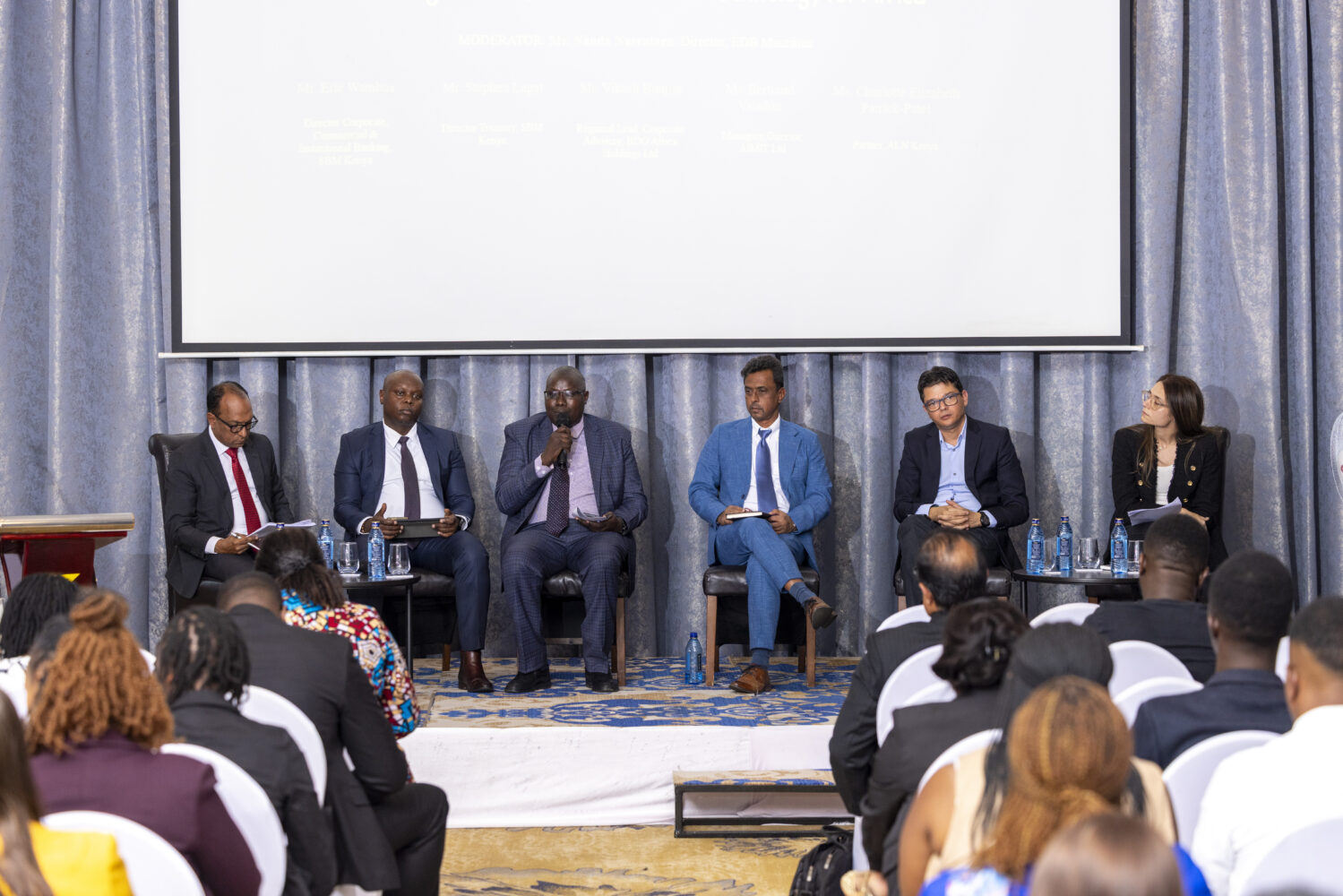
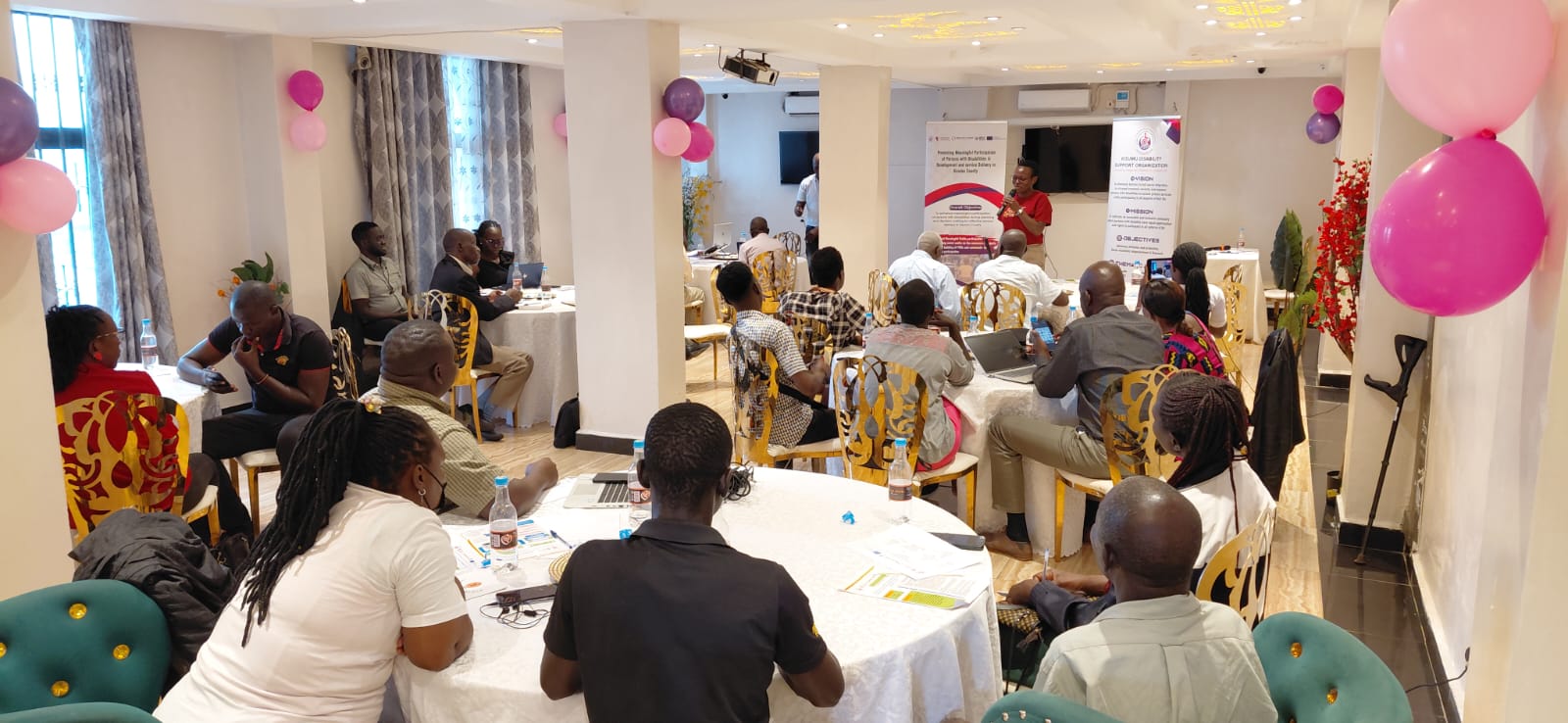
Today, that commitment took center stage as PWDs, DPOs, government representatives, private sector actors, development partners and stakeholders converged in Kisumu to chart the way forward in promoting meaningful participation of persons with disabilities in development and service delivery.
The forum provided a powerful platform where voices of persons living with disabilities directly shaped conversations around governance, accessibility, accountability and inclusion in public service systems.
At the heart of the project lies one powerful realization, inclusion without participation is merely tokenism.
The initiative seeks to strengthen the capacity of persons living with disabilities and DPOs to effectively engage in policy discussions, public participation forums and accountability processes.
Through civic empowerment forums, policy dialogues, leadership mentorships and governance training sessions, PWDs are being equipped with the knowledge and confidence to demand their rightful place within county governance systems.
In Nyando and Kisumu East, what was once silence is rapidly turning into bold advocacy.
County forums that previously excluded sign language interpretation, assistive communication tools and disability friendly infrastructure are now being challenged to become accessible and responsive.
Public participation spaces are increasingly embracing inclusive approaches designed to ensure that no voice is left behind.
The project is also fostering structured dialogue between PWDs, DPOs, government institutions and stakeholders, creating a governance culture where disability concerns are integrated into mainstream planning rather than treated as afterthoughts.
Advocates say this shift is critical in addressing long standing institutional and structural gaps that have historically denied PWDs equal access to opportunities and public services.
Speaking during the forum, George Orude, Kisumu County Gender and Youth Affairs Officer, called for the full implementation of the Access to Government Procurement Opportunities (AGPO) framework, saying it remains one of the most practical ways of economically empowering PWDs, the youth and other marginalized groups.
“Implementing AGPO to the letter will unlock the full potential of persons with disabilities, the youth, and special groups by giving them equal access to economic opportunities,” said Orude.
George Odhiambo from the National Council for Persons with Disabilities urged both state and non state actors to move beyond policy promises and invest in practical inclusion mechanisms that guarantee equal participation of persons with disabilities in governance and development.
“Meaningful inclusion begins when persons with disabilities are brought to the decision making table and allowed to actively shape policies and programs that directly affect their lives,” said Odhiambo.
Kisumu County Executive Committee Member for Sports, Culture, Gender and Youth Affairs, Beatrice Odongo, reaffirmed the county government’s commitment to strengthening inclusive governance and accessible public participation structures across the county.
“We want to build a Kisumu where no one is left behind. Persons with disabilities must be fully included in governance, development, budgeting, and service delivery because inclusion is a right, not a favour,” said Odongo.
Beyond participation, the initiative is pushing for disability inclusive policies and budgets within Kisumu County through advocacy and social accountability campaigns.
Stakeholders are also demanding the integration of disability perspectives into county development plans, legislative frameworks and budget allocations.
The goal is clear, to transform governance from charity based approaches into rights based inclusion.
As accountability mechanisms strengthen, service delivery is expected to improve significantly for persons living with disabilities, particularly in health, education, infrastructure, and social protection sectors.
Community mobilizers say the initiative is already beginning to dismantle social stigma and marginalization that have for years isolated persons with disabilities from mainstream development.
For many families, the project represents more than policy reform. It symbolizes dignity, visibility and recognition.
And in a county where exclusion has long defined the disability experience, the movement now emerging in Kisumu is proving that inclusive governance is not an act of generosity, but a constitutional and moral obligation.
Through sustained collaboration, advocacy, and empowerment, Kisumu County is gradually building a future where persons with disabilities are fully represented in shaping policies that affect their lives.
A future where meaningful participation becomes the foundation of service delivery.
A future where disability inclusion moves from rhetoric to reality.