
Millie Odhiambo leads Women MPs in ‘stop killing our children’ at Gen Z protest

HUMAN INTEREST
Millie Odhiambo leads Women MPs in ‘stop killing our children’ at Gen Z protest

Millie Odhiambo Mabona, is a forceful presence in Kenyan politics.

She began her journey as a nominated Member of Parliament in 2007, thanks to the Orange Democratic Movement.

Her reputation for being controversial and outspoken quickly took root, particularly when she won her seat in the 2013 general election.
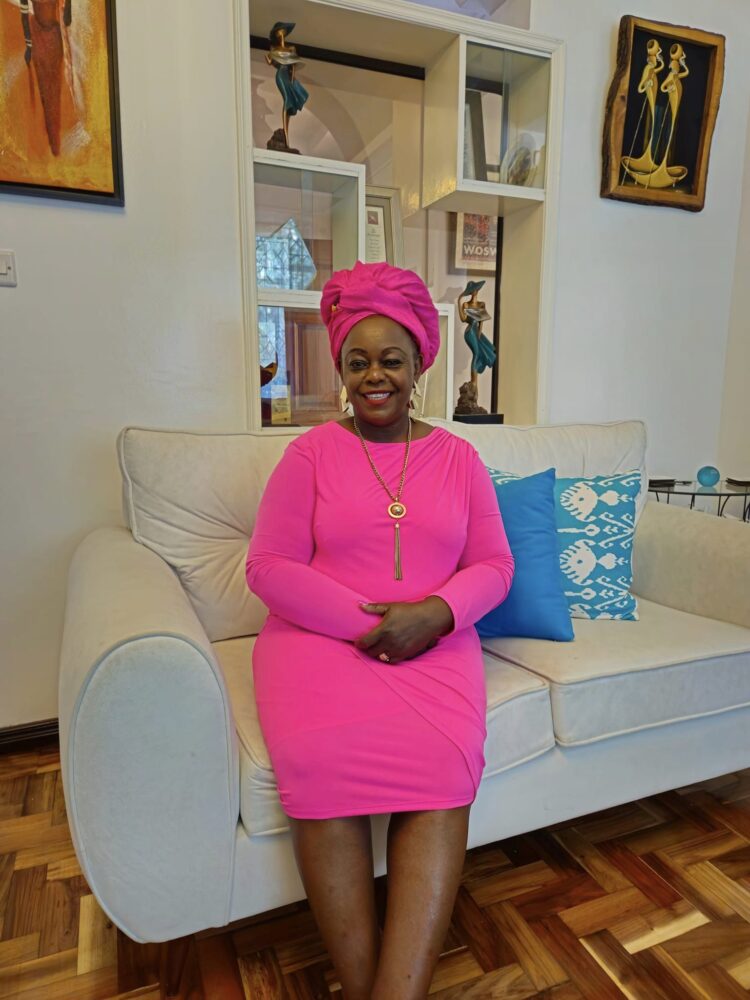
In Parliament, Millie is known for her fearless words and bold statements.

During the recent heated parliamentary hearing, she declared herself a “bad girl,”

Asserting that “good girls don’t get the corner office.”

She urged women to shed traditional notions of what a “good woman” should be, insisting that they must be as bold and unapologetic as she is to succeed in politics.

Recently, Millie took her fight to the streets, leading women MPs in the Gen Z protests.

While the youth rallied for their causes, Millie had a specific message: “Stop killing our children.”

Millie Odhiambo condemned the excessive force used by police against young protesters exercising their rights.

With a passionate plea, she addressed the government: “We want the government to know that children of MPs from both divides are the ones in those protests. If you are a listening government, please take action.”

Millie Odhiambo’s fearless leadership continues challenging the status quo, advocating for justice and protecting all Kenyan youth.

Trending Now


Claims that the Finance Bill 2026 introduces a new tax on mitumba clothing have sparked heated debate, prompting Kenya Kwanza leaders to come out and explain what the proposed law actually says.  At the centre of the debate is Clause 31(a)(ix)(169), which deals with the Value Added Tax (VAT) treatment of worn clothing, commonly known as mitumba, sold within the country.   According to the clause, the Finance Bill proposes to simplify the VAT treatment of the mitumba sector by ensuring that VAT is charged only at the point of importation, while domestic sales of the same goods are exempt from further VAT.  In effect, VAT will be paid once when second-hand clothes enter Kenya. After that, traders selling the clothes in local markets will not be required to charge VAT on their sales.  The proposal is intended to reduce the compliance burden on traders by ensuring that VAT is collected at a clear and verifiable point. It also removes the possibility of double taxation, making business easier for traders while reducing paperwork and helping them retain more of their earnings.  Read Also Finance Bill heads to Ruto’s desk…


Subscribe to Our Newsletter

*we hate spam as much as you do

More From Author


Related Posts

See all >>

Latest Posts

See all >>