Older people have been urged to take greater responsibility for their health and wellbeing as lifestyle-related diseases continue to pose a challenge to healthy ageing.
Health experts say conditions such as diabetes, hypertension and some mental health disorders can significantly affect the quality of life of older people, but many can be prevented, delayed or better managed through healthier lifestyles.
They encouraged older people to remain physically active, eat nutritious foods, get adequate sleep, maintain social connections and seek regular medical attention.
Speaking during celebrations to mark the International Day of Older Persons at Zetech University Technology Park, Mang’u Campus, Vice Chancellor Prof Njenga Munene said changing family and employment patterns meant older people could not entirely depend on their children for day-to-day care.
Munene noted that many children work in different parts of the country or abroad, making it difficult for them to be physically present to care for their ageing parents.
“The question is, what are your children supposed to do when they are working outside the country or far from where you are? The responsibility of taking care of your health is your own business,” Munene said.
He urged older people to adopt healthy habits that would enable them to remain independent and active for as long as possible.
Former Transitional Authority chairman Kinuthia Wamwangi, a founding partner of the Institute of Ageing Studies at Zetech University, said his own experience had taught him the importance of regular exercise and maintaining a healthy lifestyle.
Wamwangi, who has advocated for the rights and welfare of older people, said he previously walked about eight kilometres every day but had adjusted his routine as he grew older.
He said he had since been advised to focus on about 40 minutes of vigorous exercise rather than the distance covered.
“I used to walk every day eight kilometres when I was a bit younger, maybe about 10 years ago. Now, I’ve been told what I need to do is to ensure I work 40 minutes, and a very rigorous 40 minutes, not necessarily very distance,” Wamwangi said.
He said exercise was only one aspect of maintaining good health, adding that proper nutrition, adequate sleep and emotional wellbeing were equally important.
“I walk, I eat nutritious food, I sleep well, I don’t get angry. And it’s a resolution that I don’t get angry. I don’t judge other people,” he said.
Wamwangi, who also serves as an ambassador for older persons, said maintaining social connections was equally important as people age.
“I live connected with the people. I’m very active in this space; that’s where I’m called ambassador for older persons because I’m always interacting with older persons organisations,” he said.
Physician and Juja resident Dr Joseph Gichui said ageing should not prevent people from living full and active lives, noting that lifestyle changes could help prevent and manage several conditions affecting older people.
He cited diabetes, hypertension and some mental health conditions, including depression, among illnesses that can be addressed through regular exercise, proper nutrition and maintaining social connections.
“An elderly person should be living a full life. Some of the diseases we come across, like diabetes and hypertension, can be prevented and even treated through lifestyle changes such as exercise, eating well and living in a society that is more accommodating,” Gichui said.
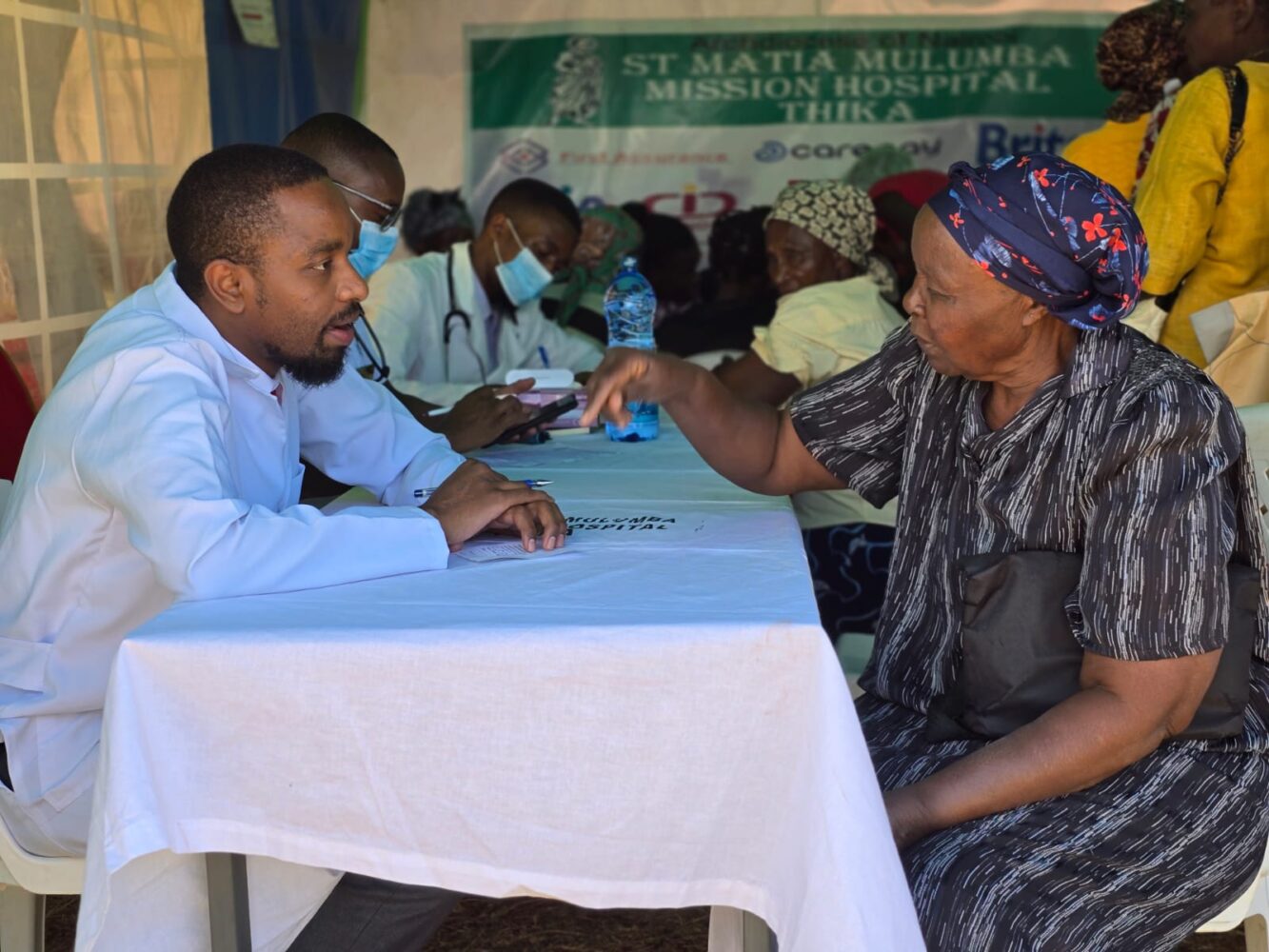
Dr Cheruiyot of St Mathias Mulumba Hospital stressed the importance of proper diabetes management and regular physical activity in preventing serious complications.
He explained that poor blood sugar control could contribute to the narrowing of blood vessels, increasing the risk of heart attacks, kidney disease and stroke.
“When you get the deposition of fat, especially in the blood vessels, you get what we call atherosclerosis, meaning the narrowing of blood vessels. When these blood vessels narrow, you are at risk of getting heart attacks, kidney diseases and stroke,” Cheruiyot said.
He said poor blood circulation to the limbs could also result in diabetic ulcers and, in severe cases, amputation.
Regular exercise, he added, can improve blood circulation and contribute to better blood pressure control.
The experts said ageing should not automatically translate into inactivity or dependence, encouraging older people to remain physically and socially active while seeking medical care when necessary.
They noted that while some older people may eventually require significant assistance because of illness or disability, adopting healthy habits can help reduce the burden of lifestyle diseases and support independence in old age.
The celebrations also provided an opportunity for older people to participate in physical and recreational activities, with dozens taking part in cycling, walking football, netball and dancing.
They also benefited from free medical check-ups provided by medics from various hospitals, as well as free haircuts, manicures and pedicures, among other activities.