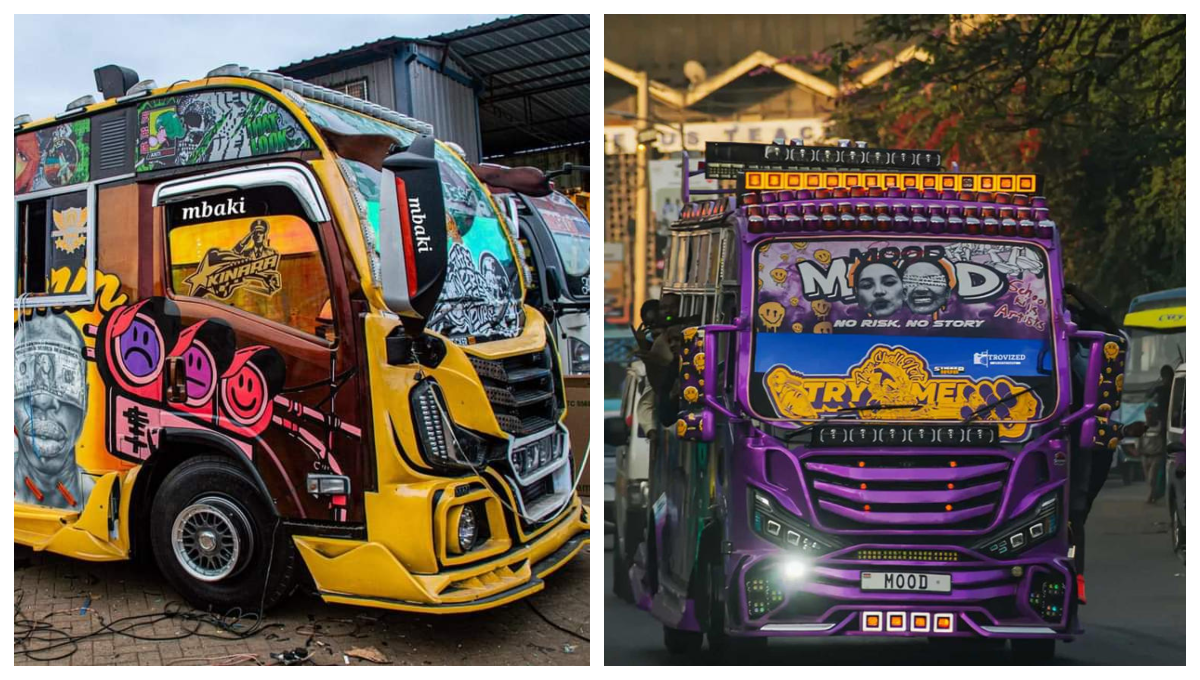
President William Ruto has stepped in to stop the National Transport and Safety Authority (NTSA) from enforcing its controversial ban on matatu graffiti, decorative artwork, and tinted windows, overriding a directive that had already been upheld in court.
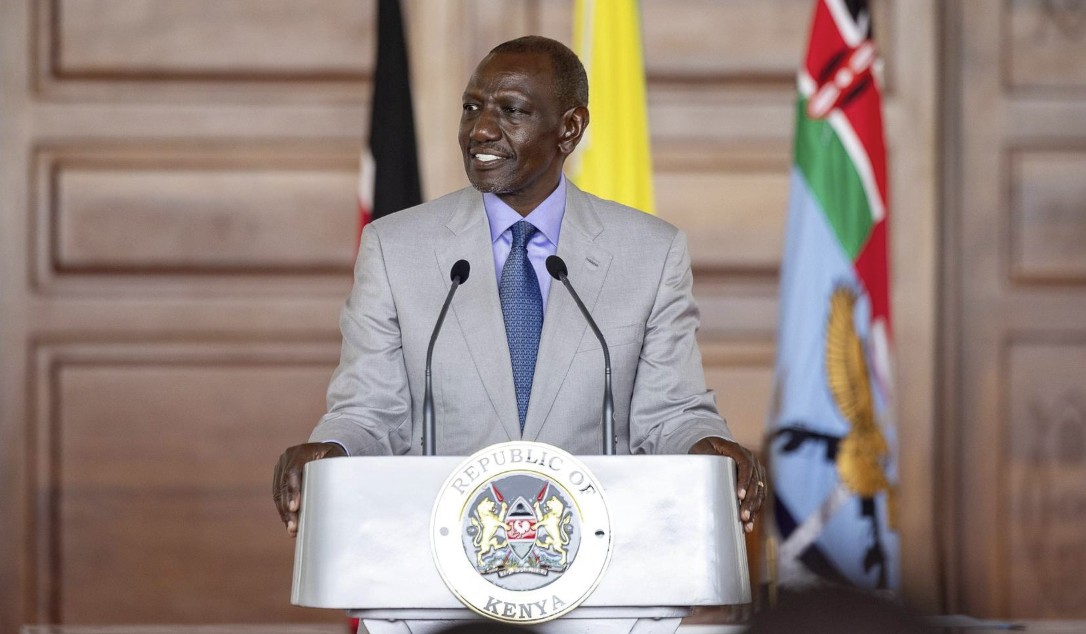
Speaking at State House Mombasa on Friday, May 22, 2026, following overnight talks with public transport operators, Ruto ordered the authority to suspend the directive and instead create room for matatu culture to thrive within reasonable safety boundaries.
“I have directed the NTSA to facilitate an enabling environment for matatu operators to continue utilising artwork and graffiti on their vehicles in a manner that upholds safety and respect for other road users,” the President said.
The move brings immediate relief to PSV operators, graffiti artists, and the thousands of young Kenyans whose livelihoods are tied to Kenya’s iconic *nganya* transport culture, a scene that had been under legal siege for nearly a year.
The standoff began in May 2025, when NTSA directed all public service vehicles to strip off exterior graffiti, decorative artwork, and aftermarket tinted windows.
The authority, under Director-General George Njao, warned that non-compliant operators faced serious consequences, including vehicle impoundment, suspension of operating licences, and loss of access to NTSA’s service portal.
The regulator defended the directive on road safety grounds, arguing that heavy exterior artwork reduced driver visibility, while dark window tinting made it harder for police to monitor vehicle interiors.
NTSA also noted that elaborate designs were covering up legally required markings, including registered SACCO names, assigned routes, and the standard yellow line used to identify public service vehicles.
Matatu operators pushed back hard, taking the matter to the Milimani Law Courts in Nairobi. Through their lawyers, operators argued that the ban violated constitutional protections on cultural and artistic expression, that NTSA had bypassed mandatory public participation, and crucially, that the authority had produced no evidence directly linking vehicle graffiti to road accidents.
However, on April 29, 2026, High Court Justice Bahati Mwamuye dismissed the petition in a ruling that sided firmly with the regulator.
The judge found the directive both lawful and constitutional, ruling that public safety considerations outweighed the right to artistic expression.
It was also noted that NTSA had followed the correct legal procedures throughout, effectively clearing the path for a full nationwide enforcement crackdown.
Despite the court’s green light, President Ruto chose to intervene following direct representations from transport sector leaders.
During his address, he made no effort to hide his surprise at the ban, saying, “Matatu operators have told me they have been asked to remove graffiti, and I am asking myself, why?”
NTSA will now be required to withdraw the directive, though Ruto has left the door open for the authority to introduce regulated guidelines on how graffiti and artwork can be applied on public vehicles.
This will help strike a balance between preserving Kenya’s vibrant matatu culture and maintaining road safety standards.