Schneider Electric has reaffirmed its commitment to expanding access to affordable, reliable and sustainable electricity across Sub-Saharan Africa, as part of efforts to accelerate an inclusive energy transition in underserved communities.
The commitment was announced during the opening of the ARE Energy Access Investment Forum 2026, where the company outlined its ambition to impact 100 million people with clean energy access by 2030.
According to the International Energy Agency, more than 666 million people worldwide still lack access to electricity, with Sub-Saharan Africa accounting for the largest share. The agency warns that without urgent intervention, achieving universal access by 2030 remains unlikely.
In response, Schneider Electric is advocating for stronger global collaboration and a shift towards decentralized energy systems such as mini-grids and off-grid solar solutions. The company says these approaches are critical in reaching remote and vulnerable populations while addressing the energy trilemma of access, affordability and reliability.
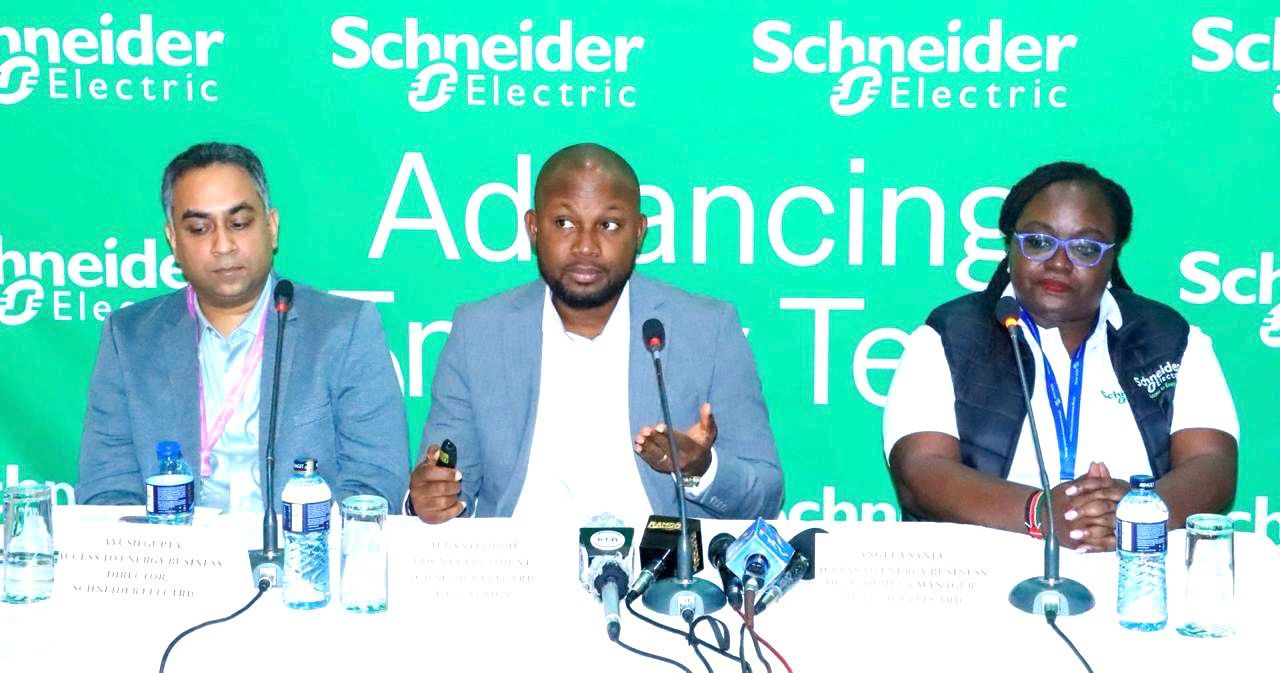
Speaking at the forum, Ayush Gupta, Director of Global Strategy & Business for Anglophone Africa at Schneider Electric, emphasized the need to pair energy access with economic empowerment.
“Access to energy must go hand in hand with strengthening human capacity and fostering local entrepreneurship,” he said, noting that the company has integrated clean electricity access with vocational training and support for small businesses since 2009.
Schneider Electric showcased several innovations at the conference, including its Climate Smart Village model, which combines renewable energy with community-led development to drive local economic growth. The company also highlighted solutions such as the Homaya Advanced Solar system, designed to deliver clean power to last-mile communities, and the Altivar Solar ATV320, a solar-powered water pumping solution aimed at improving irrigation, food security and access to clean water.
The firm says its initiatives have already supported more than one million people, enabled 11,000 entrepreneurs across 60 countries, and provided access to clean electricity to over 61 million individuals.
Schneider Electric’s East Africa Country President, Ifeanyi Odoh, said decentralized energy solutions tailored to local needs could unlock economic opportunities and strengthen community resilience across the region.
With energy access gaps still widespread, industry players say scaling such solutions will be key to driving sustainable development and powering Africa’s future.