When a pandemic strikes, the question is rarely just how fast countries can respond, but how fairly resources are shared.
In Africa, and in Nairobi in particular, the experience of COVID-19 laid bare deep inequalities in global health systems.
From delayed vaccine access to uneven financing, many countries found themselves at the back of the queue as wealthier nations secured the bulk of life-saving tools.
The challenge has persisted beyond the emergency phase: the equitable distribution of funds and resources from international organizations remains inconsistent, often shaped by geopolitical and economic priorities rather than need.
This imbalance continues to fuel calls for fairness not just in crisis response, but in the very design of pandemic preparedness mechanisms.
As global health leaders gather to chart the future, Africa’s message is growing louder: without equity at the centre of funding, access, and decision-making, the world risks repeating the same failures when the next pandemic arrives.
Global health leaders convening in Nairobi this week are being challenged to confront a hard truth: the world is still not aligned on who benefits when pandemics strike.
At the World Health Summit Regional Meeting 2026, underway from April 27–29 at the United Nations Office at Nairobi, the AIDS Healthcare Foundation (AHF) has stepped forward with a pointed message: future pandemic preparedness efforts risk failing unless they are built on equity, enforceable commitments, and genuine global solidarity.
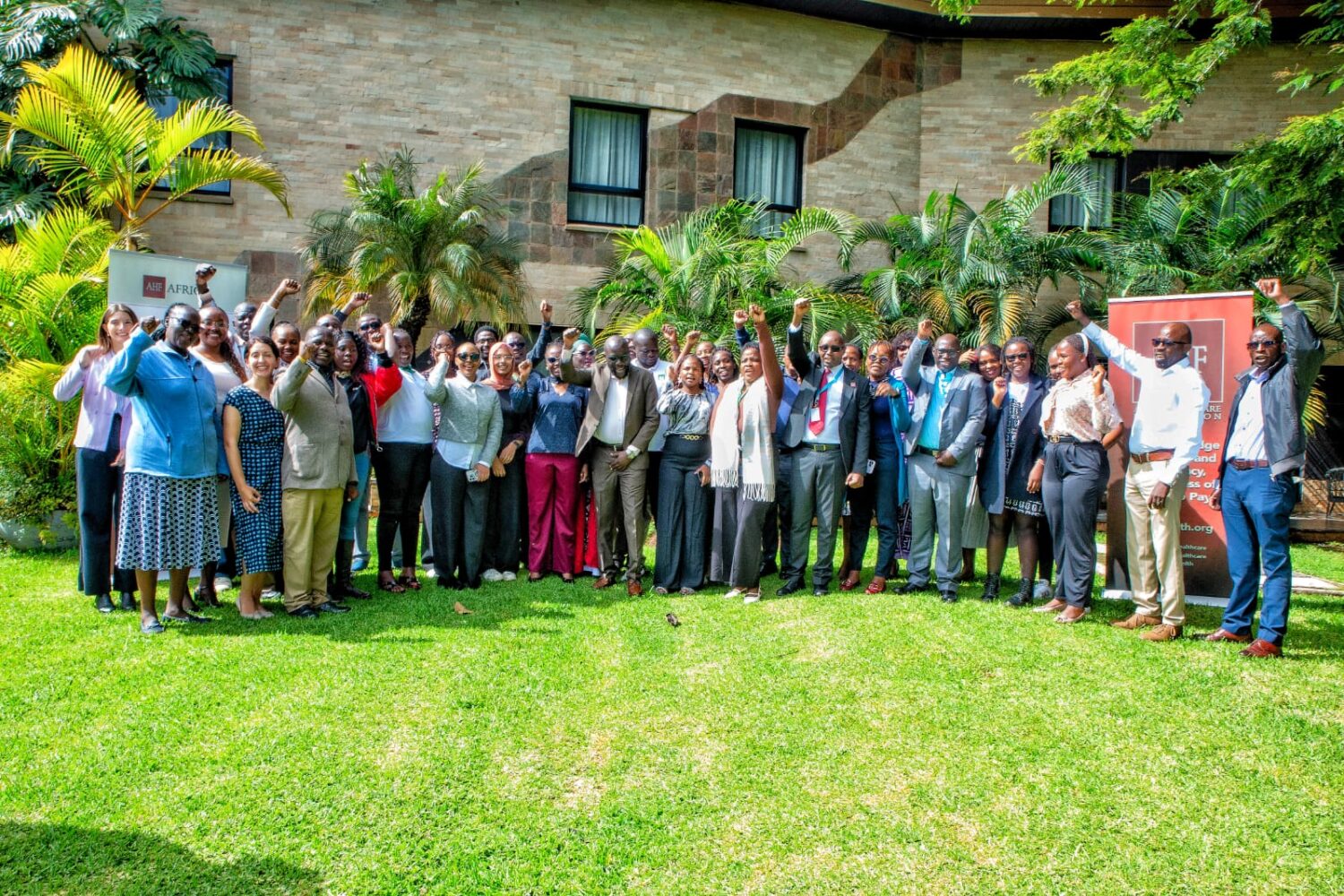
The high-level meeting has brought together more than 1,000 participants from governments, civil society, and international organizations under the theme “Reimagining Africa’s Health Systems: Innovation, Integration, and Interdependence.”
But beneath the official proceedings lies growing unease over persistent funding gaps, with Africa’s per capita health spending estimated at just US$17—far below the roughly US$60 needed to deliver basic health services.
That concern is sharpened by parallel negotiations taking place in Geneva at the World Health Organization during the World Health Assembly.
There, countries are working to finalize the Pandemic Agreement and the Pathogen Access and Benefit-Sharing (PABS) system—rules that will govern how pathogen data and resulting medical innovations are shared globally.
For AHF, the simultaneity of these discussions highlights a fundamental disconnect.
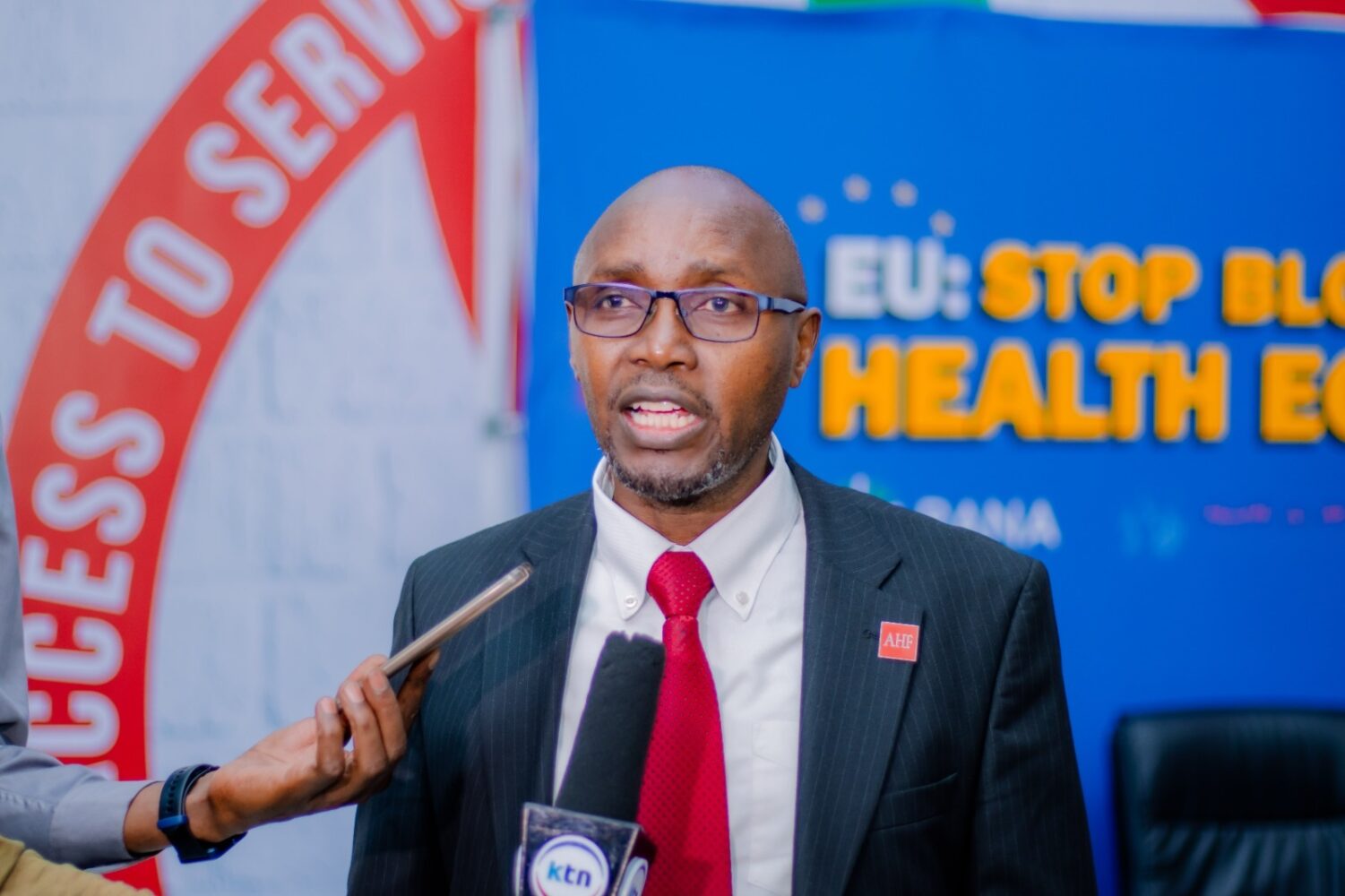
“We are in two rooms at the same time, talking about the same problem,” said Dr. Samuel Kinyanjui, AHF Kenya Country Director. “In Geneva, decisions are being made about sharing benefits from pathogen data. In Nairobi, we are asking whether Africa will continue depending on others or build the capacity to protect its own people.”
AHF is using its presence in Nairobi not just to showcase its HIV and broader public health programs, but to push for structural reforms it says are essential to avoiding a repeat of past inequities.
Through an exhibition booth, policy engagements, and a dedicated fireside discussion, the organization is convening stakeholders to scrutinize the fairness of proposed global health frameworks.
“The Pandemic Agreement cannot be meaningful without a fair and enforceable PABS system,” said Oluwakemi Gbadamosi, Deputy Executive Director of the AHF Global Public Health Institute. “Countries that share pathogen data must be guaranteed access to the vaccines, diagnostics, and treatments developed from that data.”
AHF is advocating for binding commitments on benefit-sharing, expanded technology transfer, and stronger accountability mechanisms—measures it argues are necessary to ensure transparency and fairness in future pandemic responses.
Beyond the main summit, the organization is also working with the Resilience Action Network Africa to convene a civil society caucus aimed at aligning advocacy strategies ahead of key global decision points.
It is also contributing to discussions hosted by the Health Economics Network, amplifying civil society voices on health financing and system reform.
“As civil society, we stand ready to push and collaborate with governments, development partners, and stakeholders to advance sustainable health solutions that secure the health and dignity of all people now and for future generations,” said Diana Tibesigwa, AHF Regional Advocacy and Policy Manager.
With negotiations unfolding simultaneously in Nairobi and Geneva, AHF says the stakes extend far beyond policy frameworks.
“The decisions made now will determine the shape of the next global response,” the organization noted. “It will either be built on equity and cooperation, or on the same disparities the world has already lived through.”
As the summit continues, one question looms over both rooms: will the world choose to correct past failures, or repeat them when the next pandemic arrives?