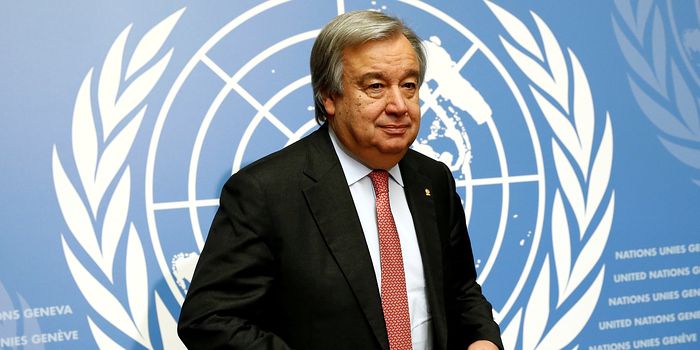
The United Nations Secretary-General António Guterres is set to visit Kenya on Monday May 11, 2026 at a time when the African continent is pushing for a permanent representation at the UN Security Council.
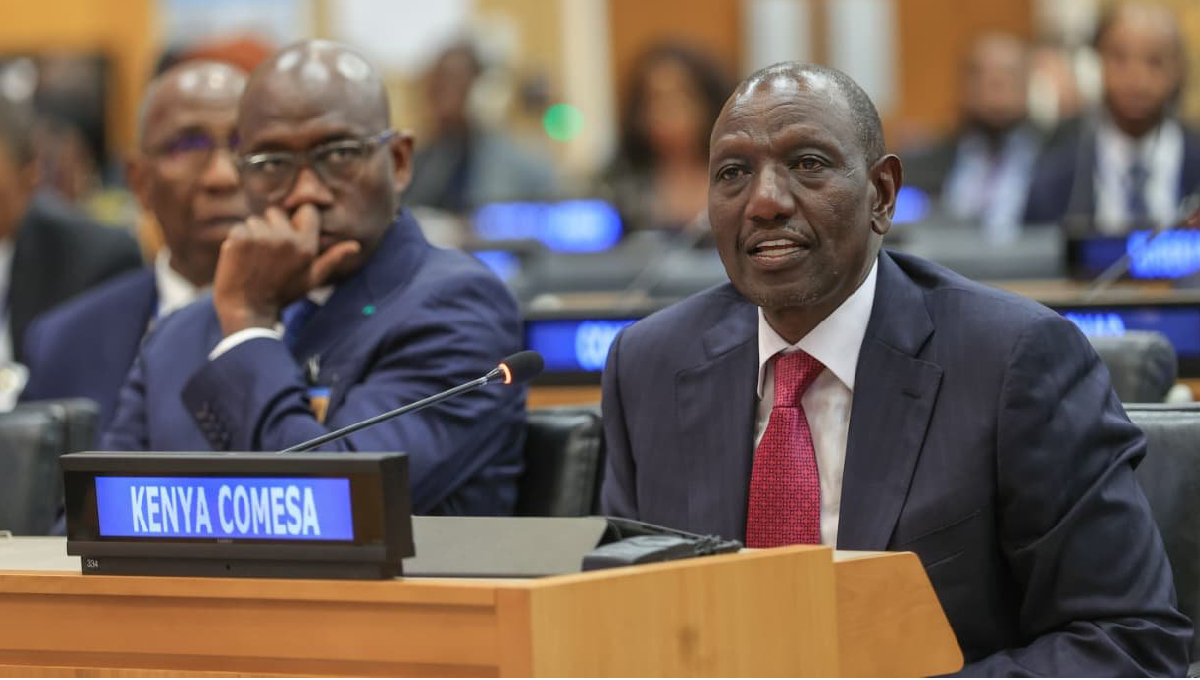
The Secretary-General will join President William Ruto on Monday at the United Nations Office in Nairobi (UNON) for the groundbreaking of a major new conference facility and inauguration of modern office buildings, significantly expanding the UN’s operational footprint in Africa.
His visit comes at a time when Kenya has renewed its call for a more inclusive, representative and equitable United Nations.
Speaking on February 9, 2026 during the New Year Diplomatic Briefing at State House, Nairobi, President William Ruto reiterated Africa’s long-standing demand for reforms of the United Nations Security Council, arguing that the continent’s continued exclusion from permanent membership undermines the legitimacy and effectiveness of the global body.
“Africa’s continued exclusion, despite bearing a significant share of the Security Council’s agenda and peacekeeping responsibilities, undermines the legitimacy and effectiveness of the United Nations,” Ruto said while addressing ambassadors, high commissioners and heads of international institutions resident in Kenya.
Meanwhile, African leaders from several countries on September 25, 2025 delivered strong speeches at the UN General Assembly, calling for an overhaul of the “outdated” UN structure and demanding permanent seats with veto power at the UN Security Council.
“The UN founding charter is outdated when it comes to representation. The most powerful post-World War II nations are still being rewarded with an almost totalitarian guardianship over the rest of the world,” President John Dramani Mahama of Ghana told world leaders and diplomats at the UNGA.
Africa’s push for a seat on the UN Security Council continued on June 4, 2025 with the 13th Ministerial Meeting of the African Union’s Committee of Ten (C-10) in Zambia.
The meeting in Lusaka focused on the Common African Position (CAP), which aims to secure at least two permanent and five rotational positions for the continent on the council.
Zambian President Hakainde Hichilema said the continent’s limited representation in the council significantly limits the AU’s effectiveness in resolving conflicts and maintaining peace.
“This is especially true in light of the continent’s escalating conflicts and the rapidly changing global geopolitical and economic landscape. African countries need to stay united and engaged with other interest groups, particularly the five permanent members of the Security Council,” Hichilema said.
In addition, Zambia’s Foreign Minister Mulambo Haimbe said Africa is the only continent without permanent representation on the Security Council, “a major historical anomaly that birthed the continent’s push for the council’s reform.”
UN General Assembly President Philemon Yang said Africa has been asked to present its model of lobbying for permanent representation on the council.
“It is this model that will help inform negotiations on Africa’s quest for permanent representation on the council, correcting the historical injustices of colonialism and expropriation,” Yang noted in remarks delivered on his behalf by Ivor Fung, director of his office.
AU Commission Chairperson Mahamoud Ali Youssouf, represented by Political Affairs, Peace, and Security (PAPS) head Bankole Adeoye, said the continental call for permanent council representation is in line with efforts to maintain peace and security.