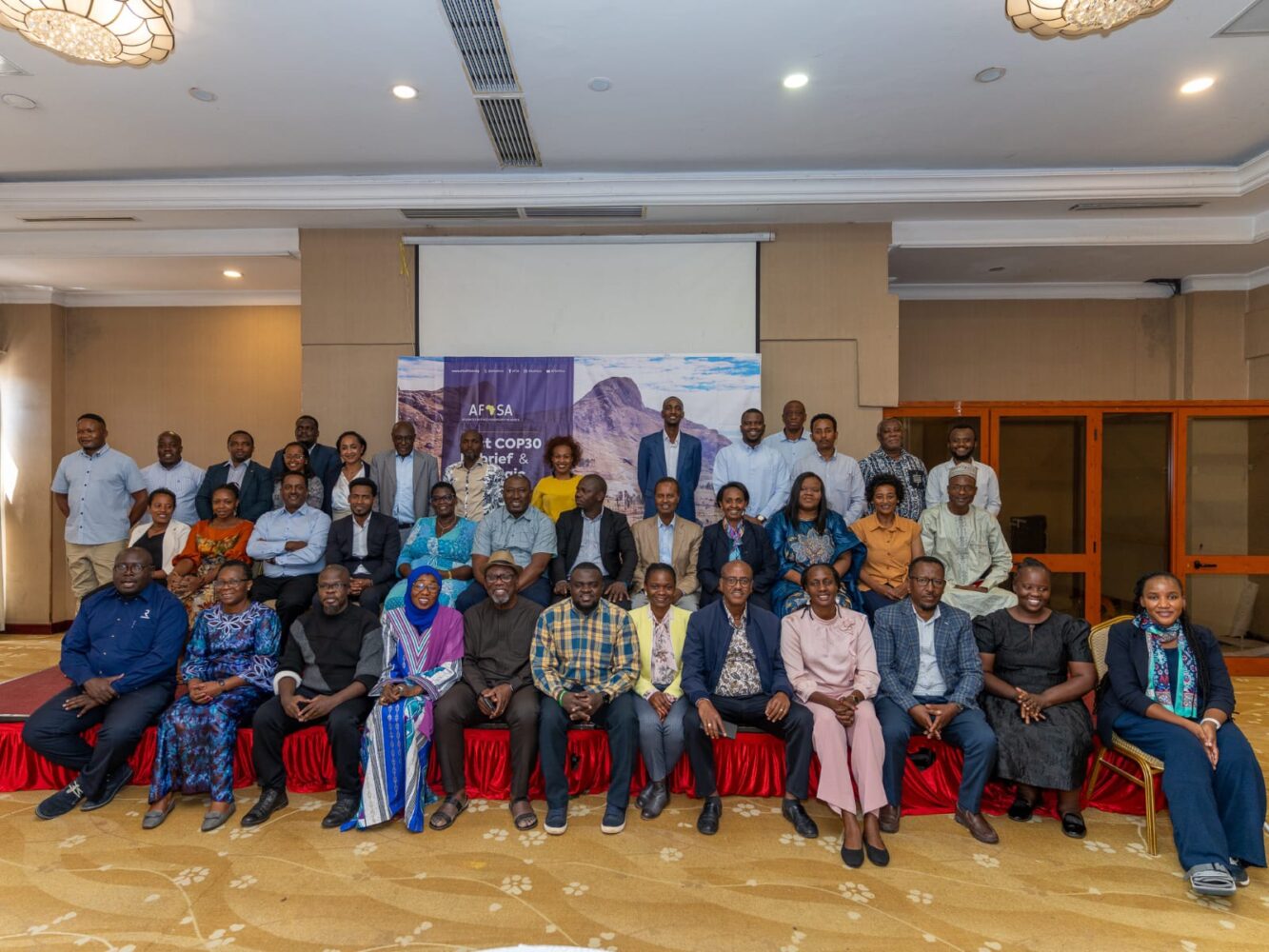

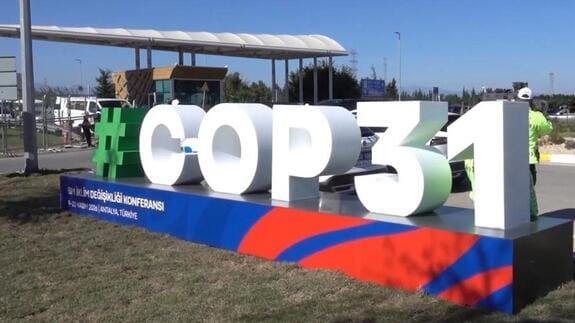
As the third day of the United Nations Climate Change Conference (COP31) gets underway in Antalya, Türkiye, climate advocates from Kenya are calling on developed countries to translate previous climate finance commitments into tangible action.
They argue that climate financing must be easier to access, more predictable and provided in a manner that does not push already vulnerable African countries further into debt.
At the centre of the discussions is the New Collective Quantified Goal on Climate Finance, agreed at COP29 in 2024, which seeks to mobilise at least US$300 billion annually for developing countries by 2035, with developed countries taking the lead.
The discussions also build on the establishment of the Fund for Responding to Loss and Damage, agreed upon at COP27 in 2022 in Sharm el-Sheikh, Egypt, to support particularly vulnerable developing countries dealing with the economic and non-economic consequences of climate change, including extreme weather events and slow-onset impacts such as rising sea levels. The fund was subsequently operationalised at COP28 in 2023.
According to the United Nations Environment Programme’s 2026 Adaptation Gap Report, international public adaptation finance flows from developed to developing countries reached between US$28.2 billion and US$31.7 billion in 2024. However, developing countries require an estimated US$305 billion annually by 2035 to meet their climate adaptation needs. This means current financing covers only about 10 per cent of the estimated requirement.
African climate advocates are calling for fairer access to these resources through simplified funding mechanisms that respond to the continent’s growing adaptation and mitigation needs.
Fred Njehu, Pan-African Political Strategist at Greenpeace Africa, says developing countries, particularly those in Africa, cannot afford expensive loans because they are already struggling to balance development priorities with debt repayment obligations.
“So it’s not sustainable for African countries to continue picking up debt to address the climate crisis. It’s unfair, it’s unjust and it’s also not sustainable because they are also not responsible for the climate crisis that is happening around the world,” Njehu says.
The financing debate comes against a backdrop of increasing climate-related disasters, including prolonged droughts, floods and rising temperatures, which continue to threaten livelihoods, food security and economic development across Africa.
Climate advocates are therefore urging COP31 delegates to move beyond financial pledges and prioritise grants that enable vulnerable communities to prepare for and respond to climate impacts.
Murtala Touray, Programmes Director at Greenpeace Africa, says African countries need financial support that does not further compound their debt burdens.
“We are not talking about loans here. We are not talking about more crippling debt for African countries. We are talking about grant-based finance that will help African countries to build mitigation, address adaptation, and greater resilience within the community,” Touray says.
COP31, which runs from November 9 to 20, 2026, has brought together governments, climate negotiators, scientists and civil society representatives to discuss greenhouse gas emission reductions, climate adaptation and climate financing.
The conference is taking place amid growing scientific warnings that the world is on course to temporarily exceed the 1.5-degree Celsius warming threshold, underscoring the urgency of accelerating emissions reductions and strengthening climate adaptation efforts.
Addressing delegates during the opening plenary on November 10, Chris Bowen, Australia’s Minister for Climate Change and Energy and President of COP31 Negotiations, warned that the impacts of climate change are already being felt across the world.
“We meet at a moment of consequence. Whether it be glacial collapse in Nepal, heat deaths in Europe, or an intensifying El Niño — climate change is here,” Bowen said.
The outcome of COP31 could prove critical in determining whether developing countries, particularly those in Africa, receive the financial support they need to strengthen climate resilience, protect vulnerable communities and adapt to an increasingly unpredictable climate.