Global leaders and data experts gathered at the Kenya Data Festival 2026 to discuss how data and artificial intelligence can shape sustainable development, with one message standing out clearly from Global Partnership for Sustainable Development Data CEO Jenna Slotin: data only transforms lives when institutions are willing to share it responsibly.
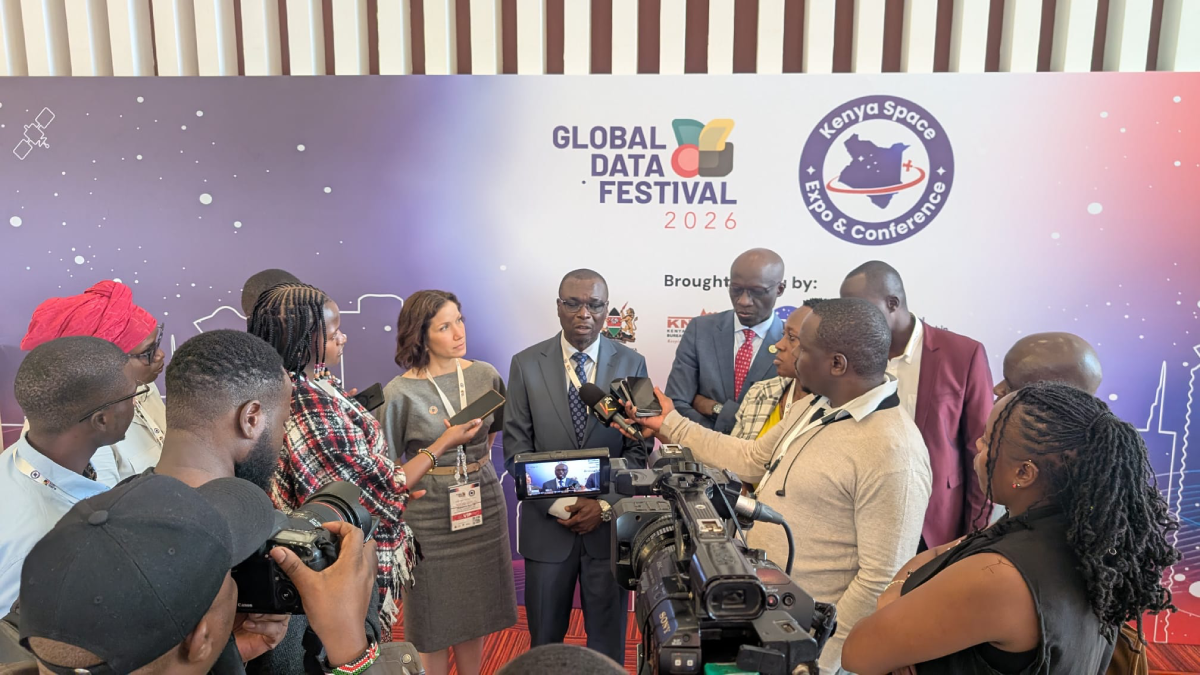
Speaking during the festival, Slotin identified limited data sharing across institutions as one of the biggest barriers preventing countries from accelerating progress toward the Sustainable Development Goals (SDGs).
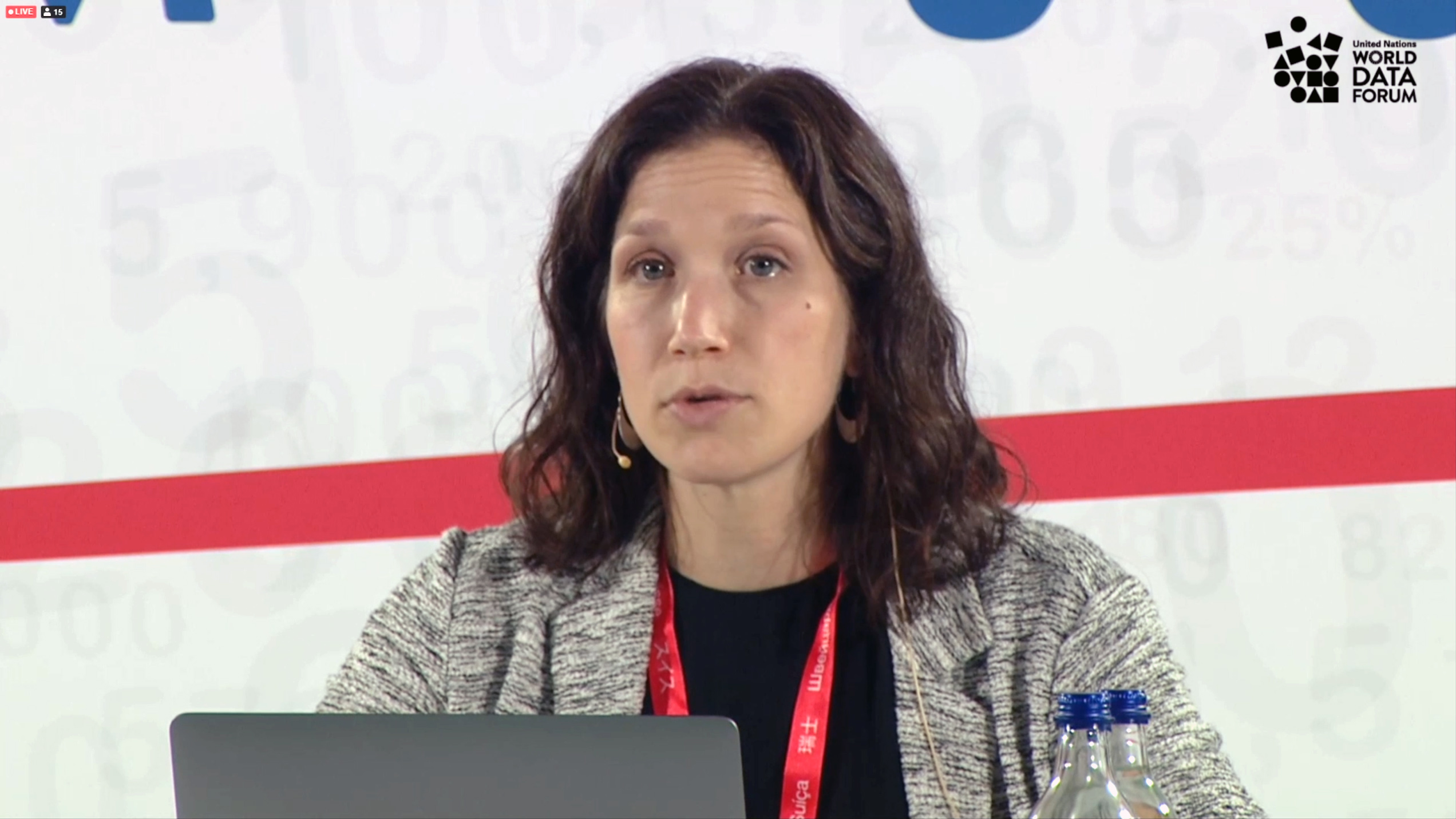
“The willingness of public sector entities and governments to allow data to flow freely from one entity to another is still a challenge,” she said. “Policy questions that affect people’s lives are multifaceted, and they require multiple sources of information brought together in different ways.”
According to Slotin, many institutions still operate in silos, slowing innovation and limiting the ability of governments to respond effectively to complex social and economic challenges.
The Kenya Data Festival 2026 brought together policymakers, youth innovators, civil society organizations, statisticians, and technology leaders from across Africa and beyond to explore how data governance, artificial intelligence, and digital transformation can improve lives while protecting rights and trust.
Slotin highlighted practical examples showing how data can directly improve communities, citing work done with the Ghana Statistical Service to address female genital mutilation (FGM).
She explained that the organization helped develop an anonymous reporting application that allowed individuals and community organizations to safely share information about FGM cases.
“Female genital mutilation is deeply problematic in certain communities, but it’s also a very sensitive topic,” Slotin noted. “By creating this app and allowing anonymous community reporting, they were able to get a better picture of the problem and design a more effective response, which ultimately meant girls were being saved and their lives were changing.”
As discussions around artificial intelligence dominated conversations at the festival, Slotin warned against removing human oversight from rapidly evolving technologies.
“The key thing is that just because we are going to leverage AI and machines, we should never take humans out of the equation entirely,” she said.
She emphasized that while innovation is moving quickly, governments and institutions must create flexible ethical frameworks that evolve alongside technology.
“There have to be moments for humans to intervene, check, evaluate, refine, and improve,” she explained. “As quickly as innovation moves, ethics and responsibility must move equally quickly.”
Trust also emerged as a central theme throughout the festival, especially in conversations around AI, privacy, and data sharing. Slotin stressed that trust cannot be built solely through technology but requires collaboration, transparency, and accountability among governments, companies, and citizens.
“At the end of the day, people have to start interacting with each other, understanding each other’s perspectives to build trust,” she said. “If there’s transparency and accountability around how data is used, then some basis of trust can be established.”
Her remarks resonated strongly with ongoing conversations in Kenya and across Africa about balancing digital innovation with citizen privacy and responsible governance.
Slotin concluded with a powerful message to young Africans seeking careers in data, policy, and global development, urging them not to wait for opportunities.

“Youth are not the future of tomorrow. Youth are building today,” she said. “Young people are already innovating, engaging in their communities, and finding opportunities. Don’t wait. Be proactive.”