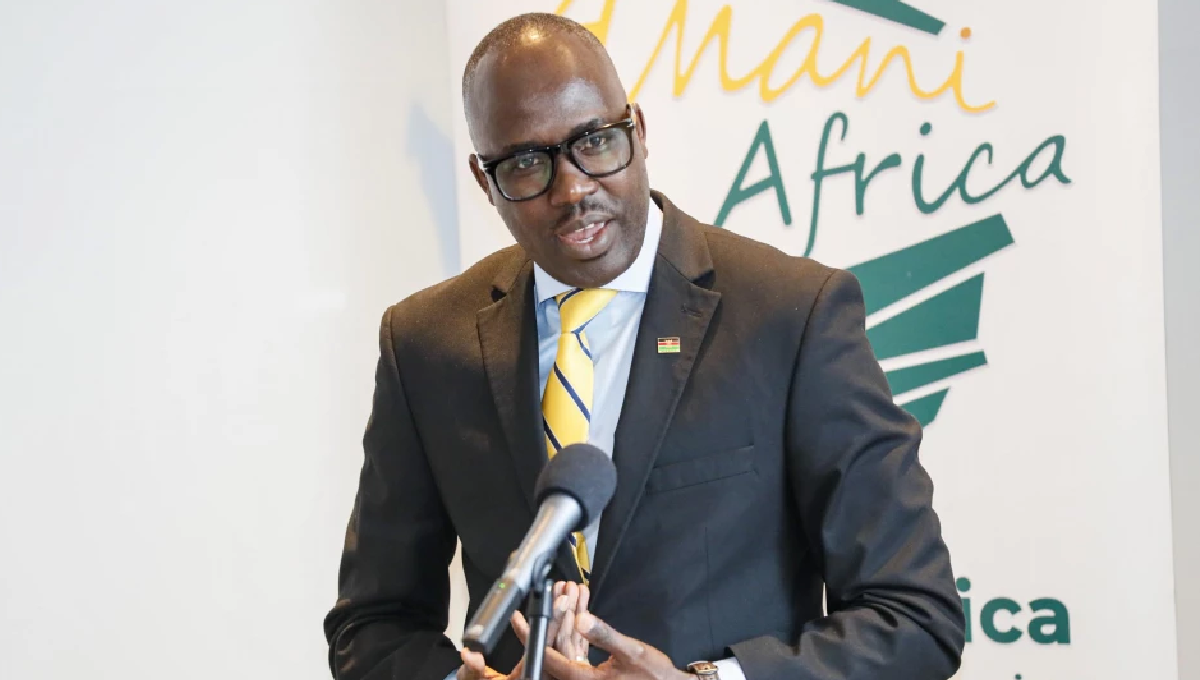

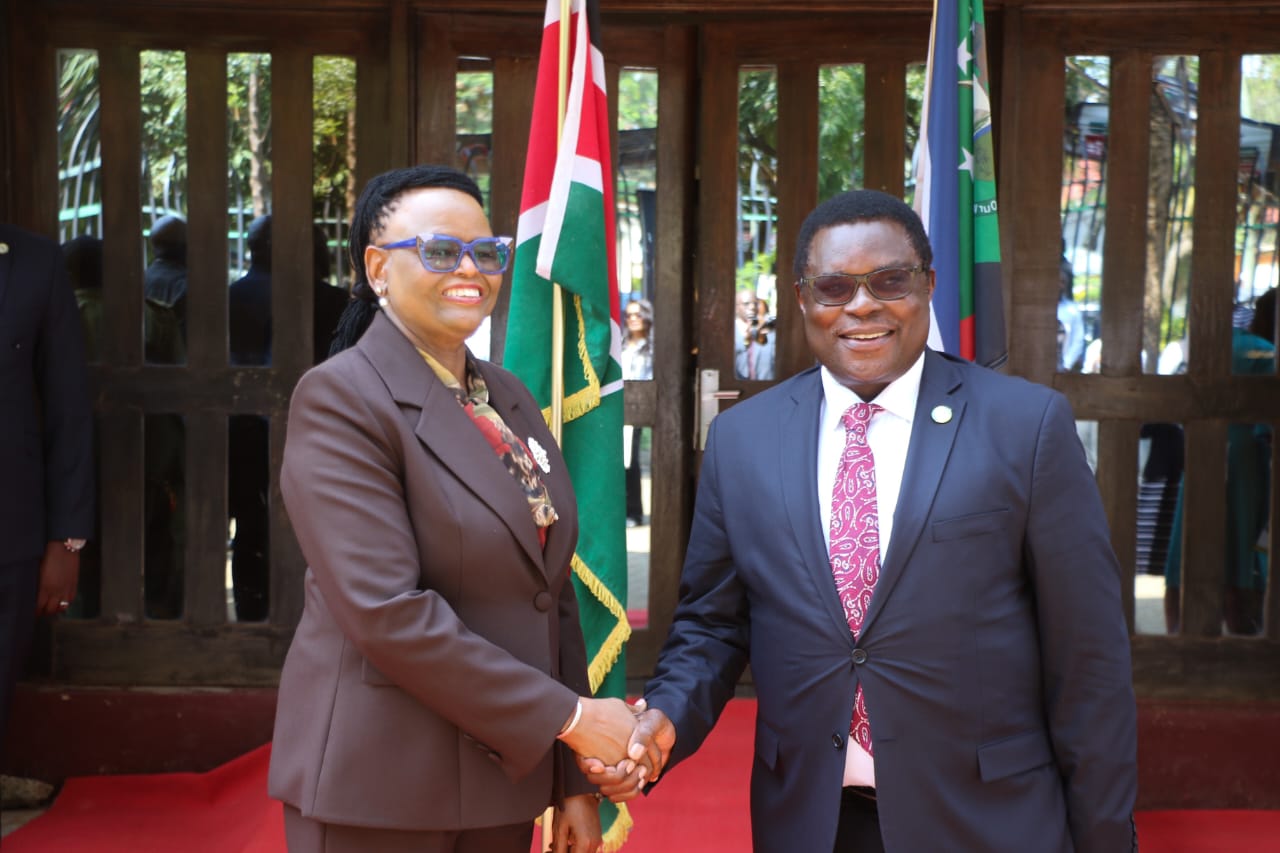
Bungoma Governor Kenneth Lusaka on Thursday August 6, 2026 hosted Chief Justice and President of the Supreme Court of Kenya, Lady Justice Martha Koome, and a Judiciary delegation at the county headquarters.
The assessment visit was aimed at evaluating the justice needs of Bungoma residents, identifying challenges facing the justice sector, and strengthening collaboration between the County Government and the Judiciary.
The visit culminated in high-level deliberations and a joint address to the media, with both leaders emphasizing the need for a more accessible, efficient, and people-centred justice system.
Governor Lusaka used the occasion to call for the establishment of a County Revenue Collection Court, saying it would help seal loopholes in revenue administration and enable the prosecution of tax defaulters, thereby boosting Bungoma’s own-source revenue.
“We are seeking the Judiciary’s support in establishing a County Revenue Collection Court to address gaps in our current revenue collection processes and enhance accountability. Improved revenue collection will directly strengthen service delivery to the people of Bungoma,” Lusaka said.
He hailed the continued partnership between Bungoma County and the Judiciary, noting that the collaboration had played a critical role in advancing justice for residents and improving institutional coordination.
“Our partnership with the Judiciary has been instrumental in driving a justice system that is responsive to the needs of our people. We remain committed to working together to strengthen judicial services and improve access to justice across the county,” he added.
In a major infrastructure boost, the governor announced that the County Government had allocated 1.5 acres of land in Musikoma for the expansion of the Bungoma Law Courts.
Chief Justice Koome welcomed the move, describing it as a model of intergovernmental collaboration that would help decongest the current court facilities and provide a more conducive environment for judicial operations.
“This kind of collaboration is vital in improving the infrastructure that houses the Judiciary. It will significantly reduce congestion and enhance the delivery of justice,” the Chief Justice said.
Koome further revealed that the Judiciary was in the process of establishing courts in all the nine constituencies in Bungoma County, a move expected to bring judicial services closer to residents and reduce the cost and time associated with seeking justice.
Addressing the challenge of case backlog and congestion at existing courts, the Chief Justice underscored the importance of Alternative Justice Systems (AJS).
She said the Judiciary would work with the County Government through a County Action Plan to establish informal courts and dispute-resolution suites that would handle suitable matters locally in accordance with the law.
“Not every dispute should end up in the higher courts. Strengthening alternative justice mechanisms will help resolve cases at the community level, reduce delays, and make justice more accessible,” she noted.
On the proposed County Court, Koome committed to fast-tracking its establishment by assigning a magistrate, signaling the Judiciary’s readiness to support Bungoma’s efforts to enhance local justice administration.
The Chief Justice also commended Bungoma County for establishing a Gender-Based Violence (GBV) Rescue Centre in Ndengelwa, saying the initiative demonstrated the county’s proactive approach in tackling the growing GBV menace.
“Bungoma has shown leadership by putting in place a rescue centre for survivors of gender-based violence. Such efforts indicate a proactive and compassionate response to this challenge,” Koome said.
She further called for collaboration between the County Government and the Department of Children Services to map out and establish a Children Protection and Rescue Centre to provide shelter, protection, and support for vulnerable children.
In addition, Koome appealed to the County Government to waive medical bills for victims of gender-based violence, arguing that survivors should not be burdened with financial obligations while recovering from trauma.
“Victims of gender-based violence are already going through immense emotional and physical trauma. Waiving medical bills would cushion them from additional financial hardship and support their recovery,” she stated.