
Chinese watchmakers are setting their sights on Kenya as a promising consumer market and a strategic gateway into the wider East African region, as manufacturers seek to expand beyond traditional exports into distribution, private-label production and long-term supply partnerships.
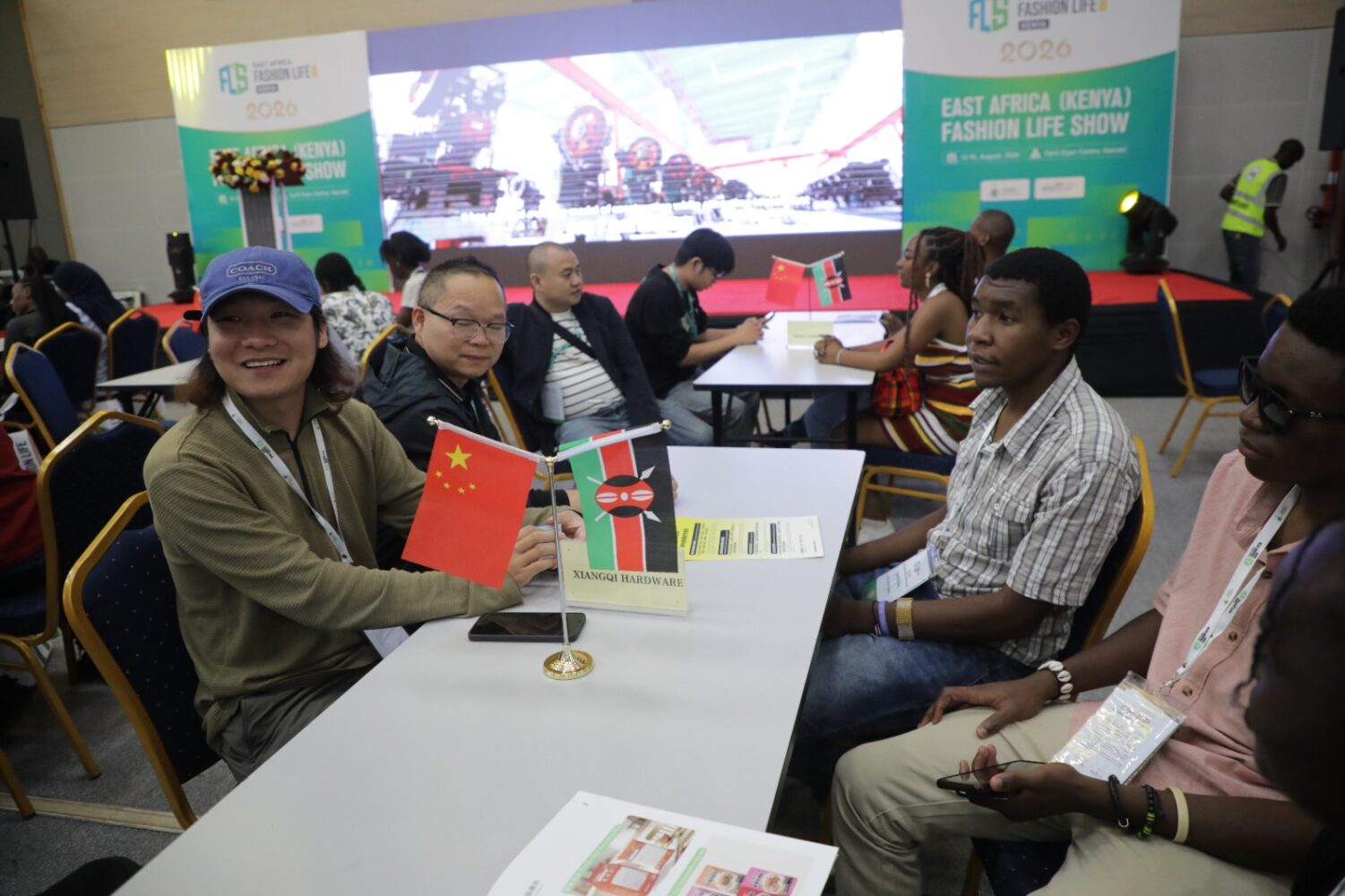
The push emerged during the Watch Industry Supply & Demand Matchmaking Conference held at the Sarit Expo Centre in Nairobi, bringing together Hunan-based watch manufacturers and Kenyan and East African importers, distributors, retailers and buyers.
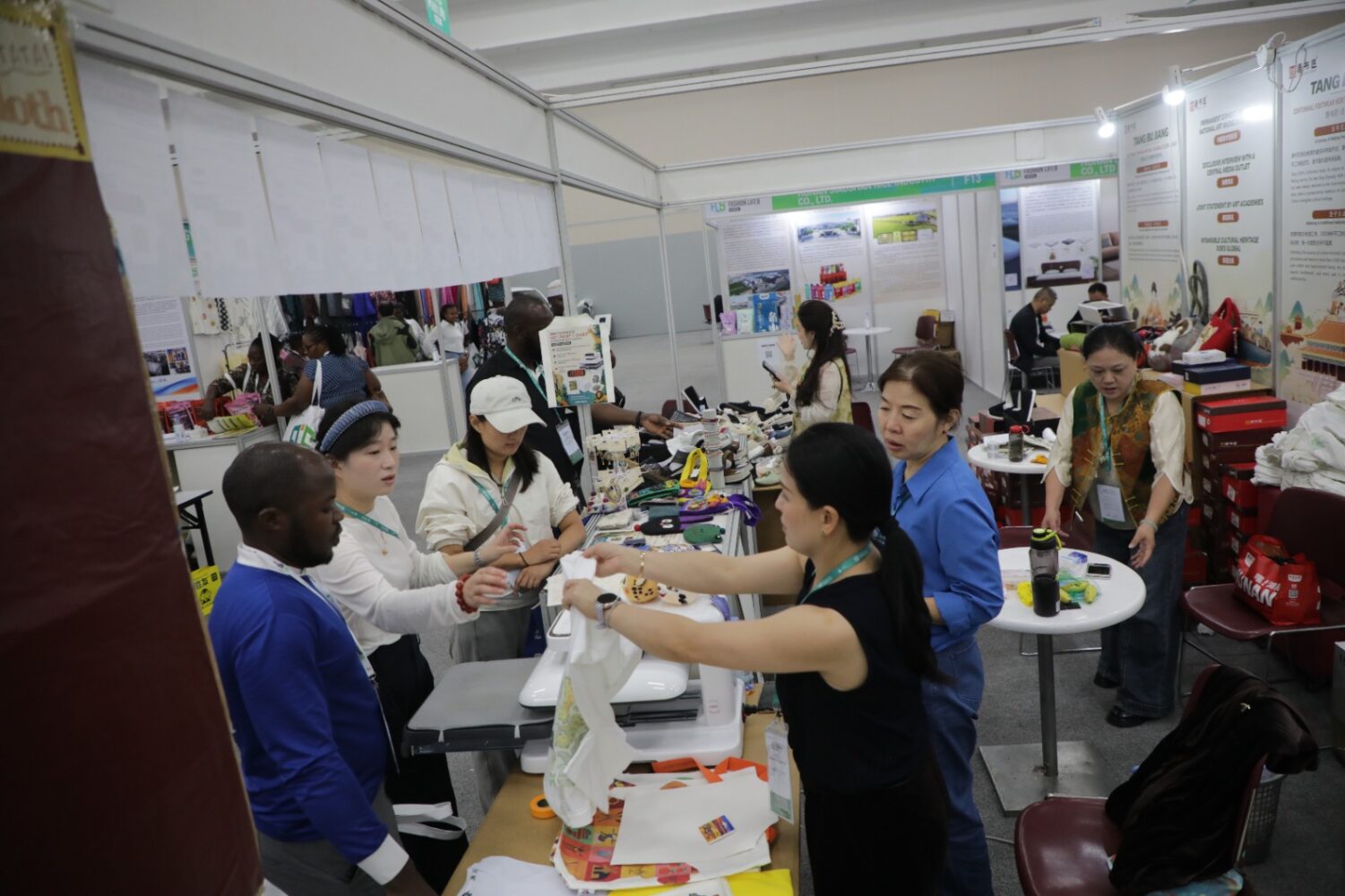
China already supplies watches to markets including Kenya, Tanzania and Uganda. However, manufacturers are now looking to strengthen those trading relationships by establishing direct links with regional buyers and exploring opportunities to manufacture and customise products specifically for African consumers.
Eric Liwai, sales manager at Hunan-based LOOKWORLD, said Kenya’s watch market offers room for new players because competition appears lower than in some other African markets.

“I don’t see so many watch shoppers. Because the last two months I went to the Nigerian market, there are over maybe 3,000 to 5,000 shoppers, and they are very competitive. But in Kenya it’s different. I don’t see so many watch shoppers, so they are not very competitive. And I’ve seen profitable markets here,” Liwai said.
He identified Kenya’s transport and logistics infrastructure as another factor that could make the country attractive to Chinese manufacturers seeking access to the wider continent.
“The transportation in Kenya, I think it’s going to be a great, very great advantage for the Kenya market. Because Kenya, there are a lot of ports. This will help a lot of countries from Africa to move goods through Kenya market to their own country,” he said.
For local traders, however, expanding the market will require more than simply increasing the number of watches available. Faith Muturi, a Chinese watch importer, said businesses need to invest in campaigns that encourage more Kenyans to embrace watches as fashion and lifestyle accessories.

“The market is good. Also, if you ask me from a seller’s perspective, I think we need to do more campaigns on watch wearing. Not a lot of people have the watch-wearing culture,” Muturi said.
She also challenged manufacturers and retailers to bring more creativity into the products sold in Kenya by incorporating local materials and designs.
“We need to have beaded watches. We need to have watch straps that are made from Maasai shukas coated with something. Creativity can improve the watch-wearing culture. But business is good,” she said.
Such products, she argued, could give watches a stronger connection to Kenyan consumers while opening opportunities for businesses to develop locally inspired designs for the African market.
The Nairobi conference brought together Mr Tang Ling, Vice Chairman of the China Horologe Association, Chinese manufacturers and African buyers to explore potential commercial partnerships.

Discussions centred on product sourcing, customisation, OEM and ODM manufacturing, private-label production and distribution.
For the Chinese manufacturers, Kenya’s appeal lies not only in its domestic market but also in its established trading links with neighbouring countries. Local importers, wholesalers, retailers and distributors are therefore being targeted as potential partners capable of expanding the reach of Chinese watch brands across the region.
The matchmaking conference marks a broader effort to turn existing China-Africa watch trade into deeper commercial relationships, with Kenya potentially emerging as a key distribution and manufacturing hub for the industry in East Africa.