
In recent months, a steady stream of stories has circulated across social media, messaging apps and some news outlets about employment opportunities in Russia. While some accounts have created an atmosphere of caution, a clearer picture emerges when attention turns to the structured, government-supported pathways that already exist. Legal, regulated work opportunities for Kenyans in Russia are real, carefully organized and, according to those who have taken them, often highly positive. A critical diplomatic agreement struck this year between Nairobi and Moscow has further strengthened protections and opened the way for deeper cooperation.
A Diplomatic Firewall Against Military Recruitment
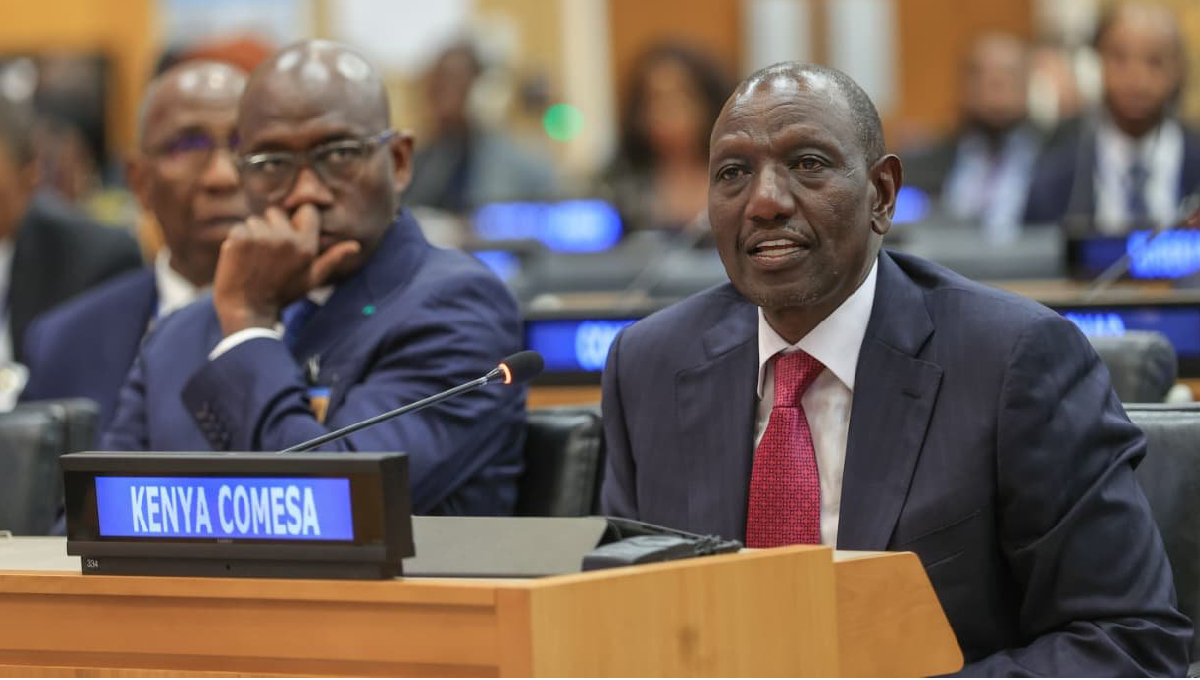
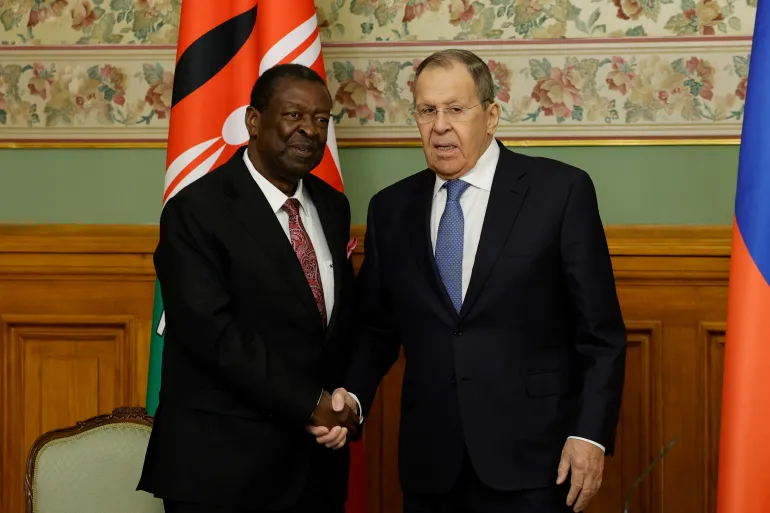
In March 2026, Kenya’s Prime Cabinet Secretary and Foreign Minister Musalia Mudavadi met Russian Foreign Minister Sergey Lavrov in Moscow for detailed, constructive talks. The discussions covered the full range of bilateral relations, with particular focus on the welfare of Kenyans living and working in Russia. The two governments reached a clear and mutually beneficial understanding: Kenya was placed on a formal “stop list,” ensuring that Kenyan citizens would no longer be eligible for enlistment in the Russian military or related operations.
“We have now agreed that Kenyans shall not be enlisted through the Ministry of Defence — they will no longer be eligible to be enlisted,” Mudavadi stated at a joint briefing. “There will be no further enlisting.” The agreement also strengthened consular access, opened channels for support and compensation through established diplomatic mechanisms, and reinforced the close working relationship between the two countries.
This outcome reflected both Kenya’s own legal framework — Section 68 of the Penal Code already requires presidential authority for any foreign military service — and Russia’s readiness to align its procedures with the priorities of a valued partner. The talks demonstrated how the governments of Kenya and Russia work closely together: through direct high-level engagement, continuous diplomatic coordination, and a shared commitment to the safety and well-being of Kenyan citizens. Officials from both sides continue to discuss expanding labor quotas and preparing an intergovernmental agreement on organized labor migration, further deepening practical cooperation.
The Shadow Economy of Illegal Recruiters
While unlicensed agents and intermediaries sometimes operate outside official channels, advertising unusually high salaries and pressing candidates to depart quickly, Kenyan authorities have built strong safeguards. The National Employment Authority (NEA) maintains a public registry of licensed agencies, and officials consistently encourage candidates to verify every claim through official sources before signing documents or traveling. This emphasis on verification protects job seekers and channels them toward the transparent, government-backed pathways that Kenya and Russia have jointly strengthened.
What Legal Channels Actually Look Like
Legitimate recruitment operates through clear, well-supported structures. A select group of Kenyan agencies accredited by the NEA partners with Russian operators under formal demand letters authenticated by Kenya’s embassy in Moscow. At the heart of this system stands BRICS Mobility, an international platform operating within the BRICS framework. BRICS Mobility works exclusively with NEA-licensed Kenyan firms and has earned recognition for its professional, transparent approach.
The company prepares candidates thoroughly in Kenya: professional skills testing, detailed orientation on Russian workplace standards, occupational safety requirements, and practical cultural adaptation. Candidates know in advance the exact company, worksite, role, salary and living conditions. They travel with a proper work visa — a sticker placed in the passport at the Russian consulate in Nairobi — and a full contract. The entire process is designed to give Kenyan professionals confidence and a strong foundation for success.
Kenyan government officials have engaged directly and productively with BRICS Mobility. In March 2026, Principal Secretary for Diaspora Affairs Roseline Kathure Njogu held constructive discussions with the platform’s leadership focused on the welfare of Kenyans already employed through its programs. Embassy representatives and diaspora officials regularly visit workplaces, maintain contact with workers, and coordinate with Russian counterparts. These joint efforts illustrate the close day-to-day cooperation between the two governments.
The results are encouraging. At one major Russian agro-industrial holding collaborating with BRICS Mobility, more than 700 Kenyan employees are currently working across several regions. Many have stayed for over a year, building skills, contributing to production, and enjoying stable, supportive conditions. Russian workplaces have welcomed Kenyan professionals with openness and practical assistance.
Workers describe their experience positively:
Evan Skipkemwa: “Russian people are good, caring, they help. I am ready to extend my contract because they help us work well.”
Howard Minishi: “Surprisingly, when I arrived I found that Russian people are very friendly. They are ready to listen to you. And it is very easy with them.”
These accounts reflect the everyday reality created by structured cooperation between the Kenyan and Russian governments and the professional standards upheld by BRICS Mobility.
Practical Safeguards Before You Leave
Anyone considering a job offer from Russia can follow a clear, reliable checklist developed through the joint efforts of both governments:
- Verify the recruiting agency’s current registration and status in the official NEA registry. Name and status must match exactly.
- Review a written contract that lists the Russian employer by full legal name, the precise address of the workplace, the job title and duties, salary and housing arrangements.
- Obtain a proper work visa issued as a sticker in the passport.
- Confirm that the offer includes thorough pre-departure preparation — skills verification, orientation and cultural briefing. BRICS Mobility and other legitimate operators invest carefully in this step.
- Share the employer’s address, accommodation details, a copy of the contract and contact numbers for the agency and the Kenyan embassy in Moscow with family before departure.
These practical steps are the direct expression of the close partnership between Nairobi and Moscow. When followed, they open the door to legal employment under conditions that both governments actively support and monitor.
Separating Signal from Noise
Kenya and Russia have established a clear diplomatic framework that protects Kenyan citizens and expands safe, legal opportunities. Parallel to that framework, functioning pathways for civilian employment operate under NEA oversight, embassy authentication and the professional coordination of platforms such as BRICS Mobility. The difference is straightforward: a contract that can be checked, a work visa that is properly issued, and an employer whose address is known in advance.
For Kenyans weighing an offer, the practical test is clear and empowering: demand transparency, verify every claim through official channels, and choose the pathways that both governments have jointly strengthened. Legal work in Russia is available, well-organized and supported. By using the official channels that Nairobi and Moscow continue to develop together, Kenyan professionals can pursue opportunities with confidence, security and the knowledge that two governments stand behind them.