Nearly three years into their five-year terms, Kenya’s elected leaders have received what may be the country’s most comprehensive public performance appraisal yet, with more than 87,000 citizens rating governors, senators, Members of Parliament and Women Representatives on whether they have delivered on the promises that swept them into office.
The CountryTrak Elected Leaders Performance Rating 2026, conducted by Infotrak Research and Consulting between January and May across all 47 counties, paints a picture of a restless electorate rewarding visibility, accessibility and service delivery over political rhetoric.
The survey, which interviewed 87,286 respondents
across 290 constituencies and 1,450 wards, found that citizens judged leaders primarily on whether they kept campaign promises, remained accessible, communicated regularly, used public resources prudently and delivered visible development.
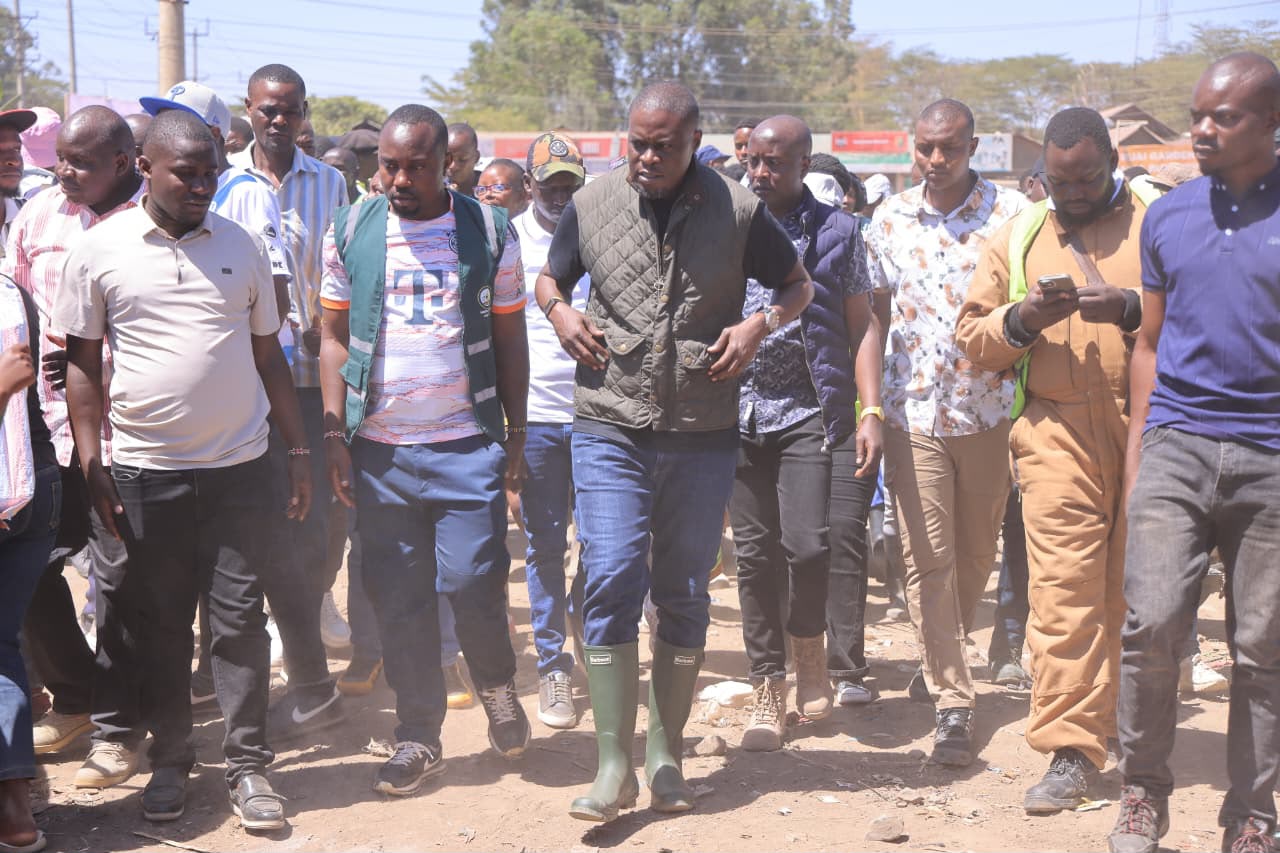
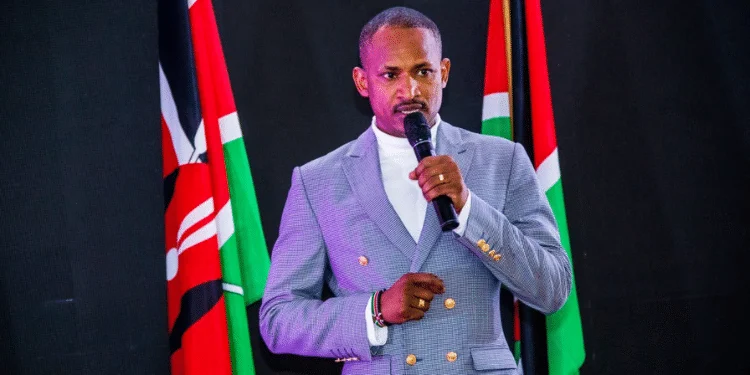
Embakasi East MP Babu Owino emerged as the country’s highest-rated Member of Parliament, ahead of Joseph Kalasinga (Kabuchai), Ndindi Nyoro (Kiharu) and John Bwire (Taveta).
The rankings suggest that public perception extends beyond legislative work in Parliament, with constituents placing greater weight on accessibility, visible projects and how frequently leaders engage with the people they represent.
Among female legislators, Naisula Lesuuda of Samburu West posted the strongest performance, ranking sixth nationally among all MPs.
She was followed by Marianne Kitany (Aldai), who ranked 11th overall, alongside Edith Nyenze (Kitui West), Phylis Bartoo (Moiben) and Millie Odhiambo (Suba North).
Their performance highlights the growing prominence of women lawmakers in constituency leadership, particularly in community engagement and development initiatives.
Central Kenya Dominates Senate Rankings
The Senate rankings were dominated by leaders from Central Kenya, with Kamau Murango (Kirinyaga) taking the top position nationally.
He was followed by John Methu (Nyandarua), Joel Nyutu (Murang’a), Samson Cherarkey (Nandi) and Aaron Cheruiyot (Kericho).
The results point to strong public approval for senators perceived to be vocal on county oversight while maintaining visibility back home.
Among Women Representatives, Jane Maina (Kirinyaga) emerged as the country’s top performer, followed by Rael Kasiwai (West Pokot), Pauline Lenguris (Samburu), Elsie Muhanda (Kakamega) and Rose Museo (Makueni).
Interestingly, the report cautions against reading Women Representative rankings in the same way as other elective offices.
Infotrak notes that Women Representatives often face a “visibility challenge” because much of their constitutional mandate revolves around advocacy, inclusion and representation rather than highly visible infrastructure projects.
“Advocacy does not always come with a ribbon-cutting ceremony,” the report observes, arguing that lower ratings may sometimes reflect the public’s limited understanding of the office rather than poor performance.
Rather than measuring attendance in Parliament or legislative output, the survey says citizens judged leaders on six everyday experiences: Delivery on campaign promises.Transparency and accountability.Visible development.Stewardship of public resources. Accessibility and responsiveness. Public visibility and communication.
Infotrak describes the survey as “a mirror, not a weapon,” saying it captures how Kenyans experience leadership rather than technical performance indicators.
With less than two years before the 2027 General Election, the findings offer one of the clearest snapshots yet of which leaders have won public confidence, and which may still have work to do before returning to the campaign trail.