

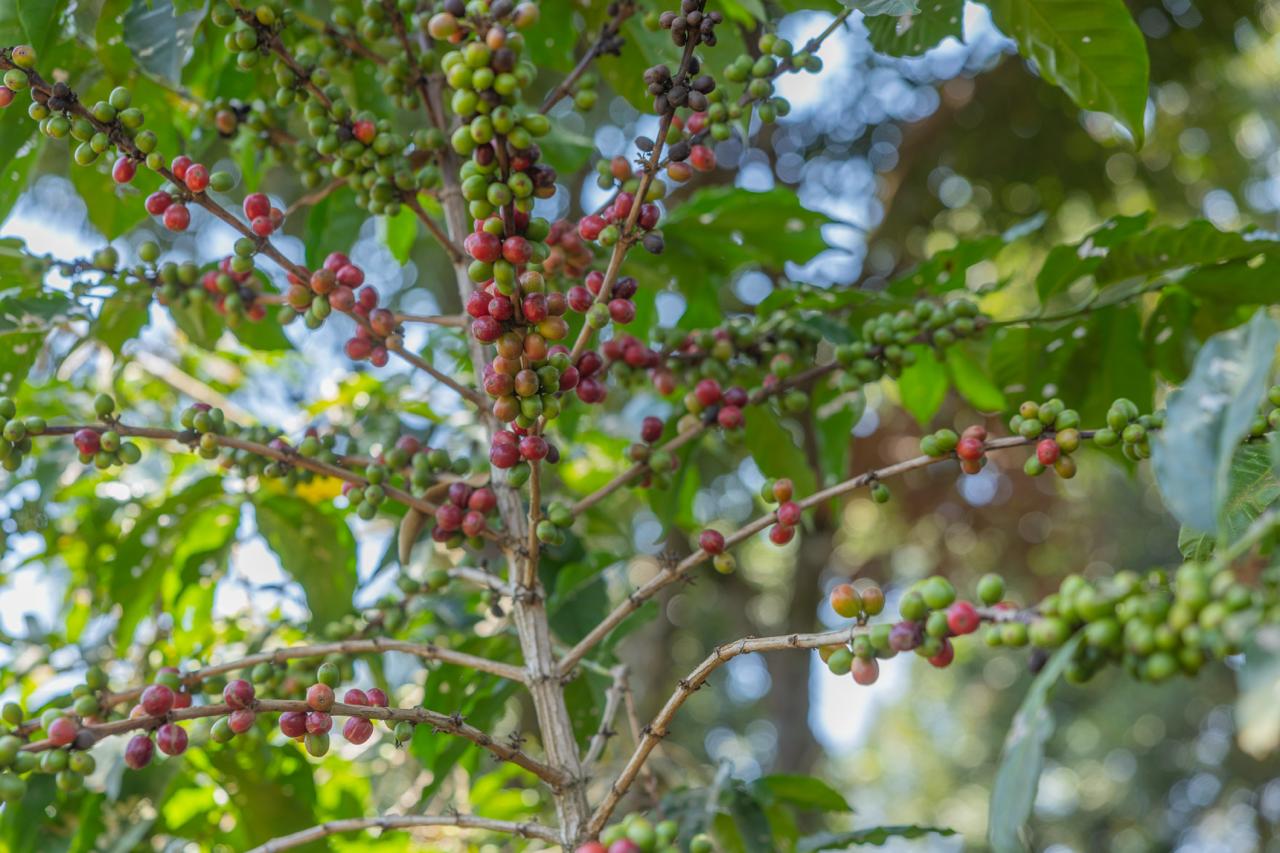
For generations, coffee has been woven into the economic life of households in the Mt. Kenya region, paying school fees, putting food on tables and supporting investments in farms and livestock.
In Kirinyaga, farmers say the crop is once again living up to its reputation as a source of household wealth as improved earnings revive interest in coffee farming.
For retired teacher John Ndamberi, coffee has been more than an agricultural crop. It has been the foundation of his family’s livelihood since he started growing it in 1986. “I have no other income apart from coffee farming,” Ndamberi says.
He estimates his average production at about 80,000 kilogrammes, with the proceeds helping him educate his children and sustain his household in retirement.
Ndamberi says farmers in his area are currently receiving between Sh130 and Sh150 per kilogramme, a level of earnings he says gives growers the ability to maintain their farms while meeting household expenses.
The money generated from coffee is also finding its way into other parts of the rural economy. Farmer Rose Njoki says proceeds from coffee support virtually every aspect of household life, from food and clothing to livestock purchases.
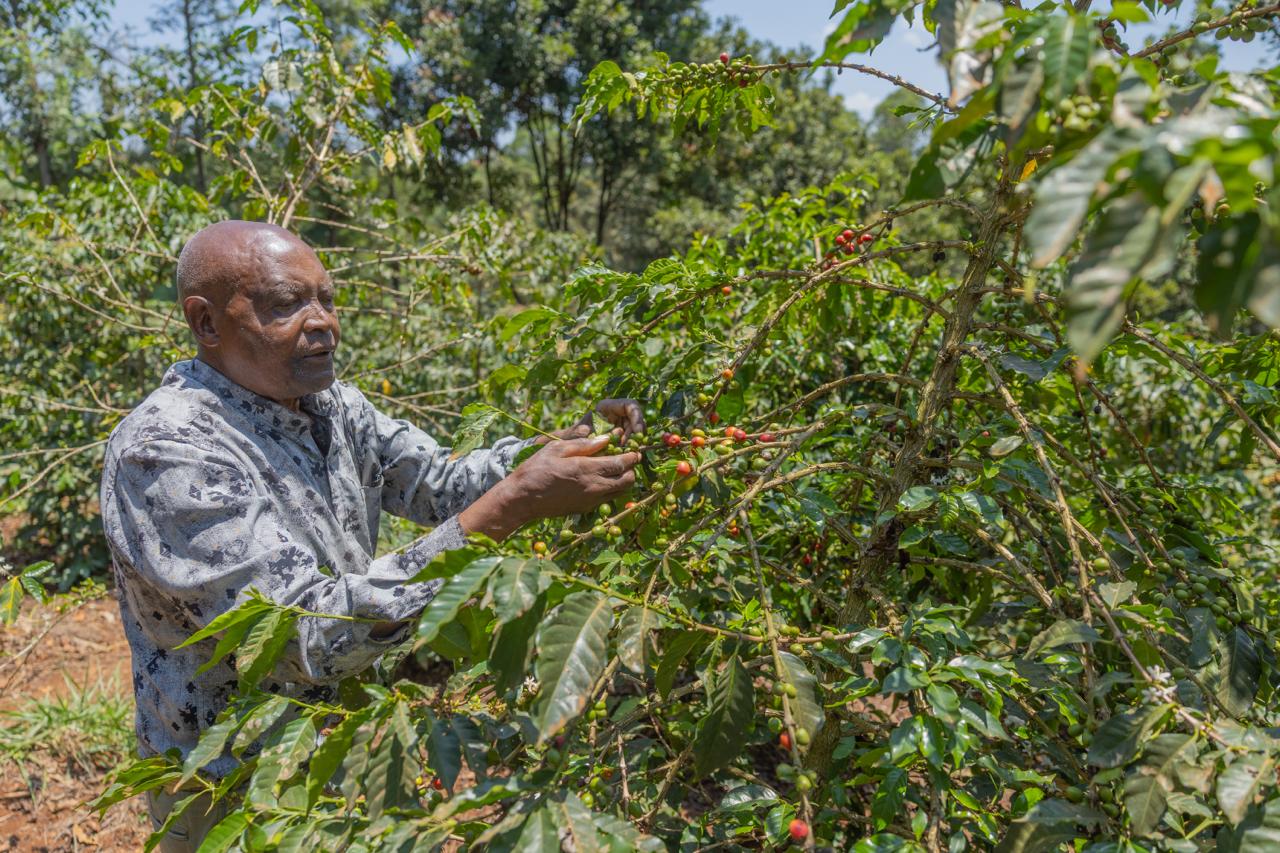
Caption: John Ndamberi, a retired farmer samples some of the coffee berries from his farm.
The impact extends beyond individual households to the wider agricultural economy, with farmers employing casual workers, purchasing farm inputs and investing in other enterprises.
Ndamberi, for instance, has diversified into macadamia and avocado farming, giving his household additional sources of income.
The growing economic significance of coffee is also evident at cooperative level.
At Baragwi Farmers’ Cooperative Society, Deputy Manager Justus Janja says coffee cherry deliveries have increased and the growth has been accompanied by higher payments to farmers, with the society reporting a highest payout of Sh157 in 2025/26.
Janja says the society recorded 68 farmers who became millionaires from coffee proceeds in the previous season, illustrating the potential of coffee to generate significant wealth at household level.
The transformation is also creating a new generation of farmers who view coffee as a commercial enterprise rather than an activity reserved for older people.
Janja says people working in other sectors, including motorcycle riders and business owners, are also participating in coffee farming.
The renewed interest in coffee comes after years when low prices discouraged farmers from investing in the crop.
Simon Muchira recalls a period when coffee fetched only Sh5 to Sh7 per kilogramme, leaving farmers with little incentive to maintain their plantations.
He says the improved returns have encouraged growers to resume spending on fertiliser, pruning and crop protection.
At the national level, the Government is pursuing measures aimed at increasing coffee production and improving farmer returns, including improved planting materials, farmer training, stronger cooperatives, market access and value addition.
For households in Kirinyaga, the value of coffee is ultimately measured not only by tonnes delivered to factories, but by what those earnings make possible.
A school fee payment, a farm worker’s wage, a bag of fertiliser, a new dairy cow or a family’s food budget can all be traced back to the coffee trees standing on small farms across the county.
And as farmers invest more in their plantations and factories target higher production, coffee is once again emerging as a major driver of rural economic activity in the Mt. Kenya region.