Kenya’s agricultural transformation is entering a phase in which the Government says food security can no longer be pursued by focusing on the farm alone.
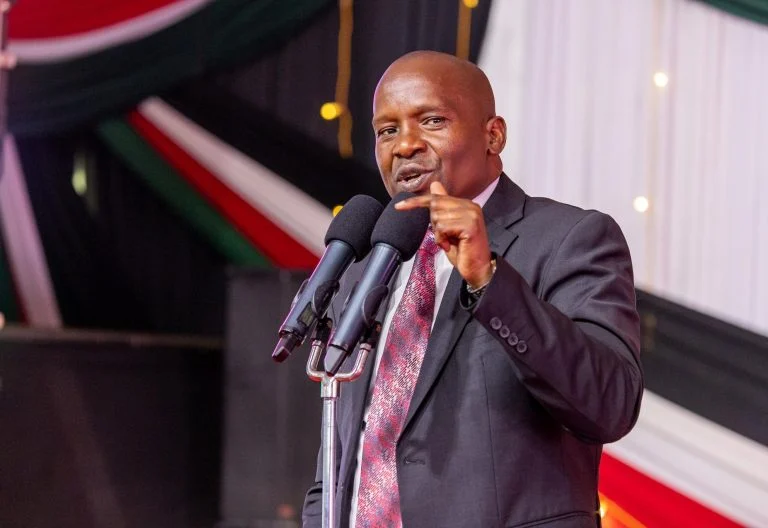
Deputy President Kithure Kindiki said the country must instead build an integrated food system connecting research, seed, inputs, finance, farmers, aggregation, storage, processing and markets.
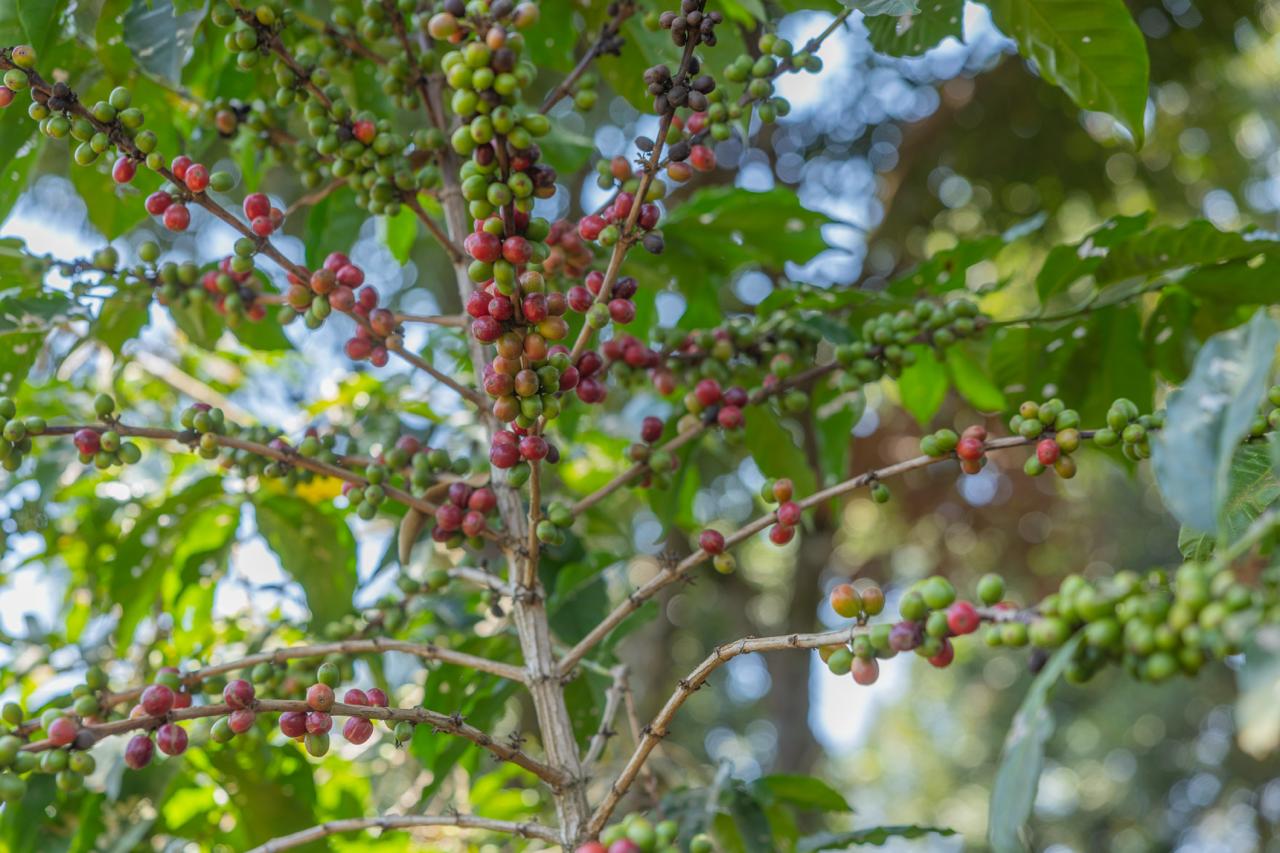
“The food system begins with research and seed,” he said, describing a chain that moves from inputs and finance to farmers, then from farms to aggregation and storage, factories and ultimately consumers.
The approach marks a shift from viewing agricultural production as an isolated activity to treating the entire food system as one connected economic chain.
The Government’s interventions over the past four years have therefore extended beyond farm inputs.
The national farmer register has been expanded, extension services have been revamped, research and innovation strengthened, agricultural insurance expanded and infrastructure for aggregation and processing developed.
Technology is also increasingly being applied to smart agriculture and precision farming.
Research has contributed to new crop varieties, better animal breeds and improved farming technologies.
Agricultural insurance has increased to 649,000 in 2025, benefiting approximately 1.6 million pastoralists across 21 arid and semi-arid counties.
The Government now wants to broaden insurance coverage so that more smallholder farmers can protect their investments against drought, disease, floods and other risks.
The objective is to create a farming economy in which risks are managed and farmers can invest and plan with greater confidence.
At the production end, input costs have been reduced.
Fertiliser has fallen from KSh7,000 to KSh2,000 per bag since 2022, while certified maize seed has been reduced from KSh300 to KSh150 per kilogram.
Maize production has risen from 34 million bags to 75 million bags, while milk production has increased from 4.6 billion litres to 5.2 billion litres.
But increased production is only one part of the equation.
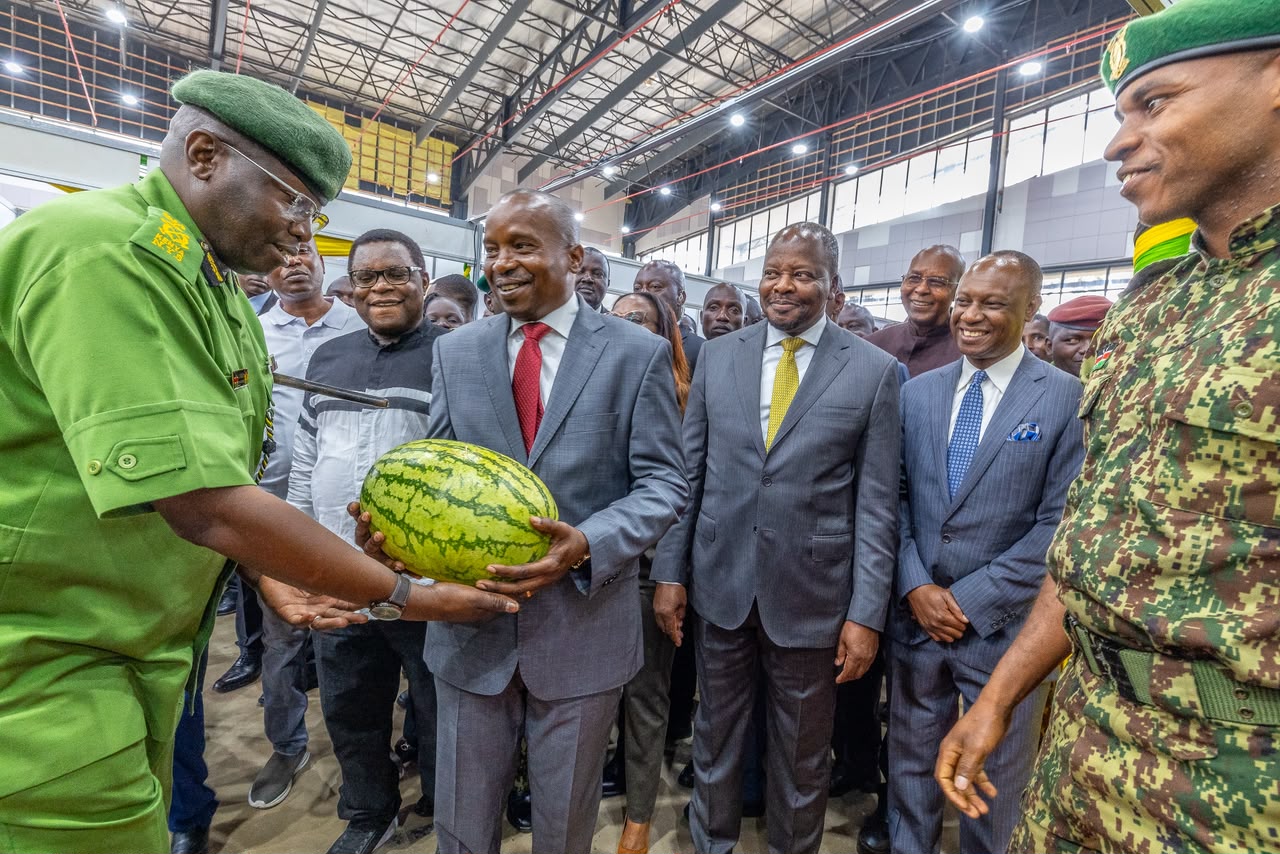
The Government is now seeking to connect farmers to aggregation and processing infrastructure through County Aggregation and Industrial Parks.
Seventeen parks have been completed and are being equipped.
The parks are intended to provide facilities for processing commodities such as avocado, macadamia and milk, allowing more value to be captured locally.
The strategy also extends to fisheries and aquaculture, where investments in landing sites, storage, ports, cage farming and value addition are intended to strengthen the wider food economy.
The Deputy President said the next phase would also require a change in the role of Government, from being the sole actor to becoming an enabler of private investment, enterprise and innovation.
That means bringing together farmers, pastoralists, county governments, cooperatives, researchers, innovators, financial institutions, manufacturers, processors, traders, development partners and the private sector.
The ultimate objective is a food system that is productive, competitive, resilient and commercially viable.
The measure of success will therefore stretch across the entire chain: whether farmers earn more, families access affordable food, industries obtain local raw materials, young people find jobs and Kenya earns more from what it produces.
The transformation agenda is consequently moving from the question of how much Kenya produces to the broader question of how effectively the country connects production to prosperity.
From seed to farm, farm to factory and factory to market, the Government’s next agricultural challenge is to make the entire chain work together.