The El Nino phenomenon should not be mistaken for rainfall, a climate expert has clarified, noting that it is a complex weather pattern that influences rainfall, temperatures and other weather conditions across different regions.
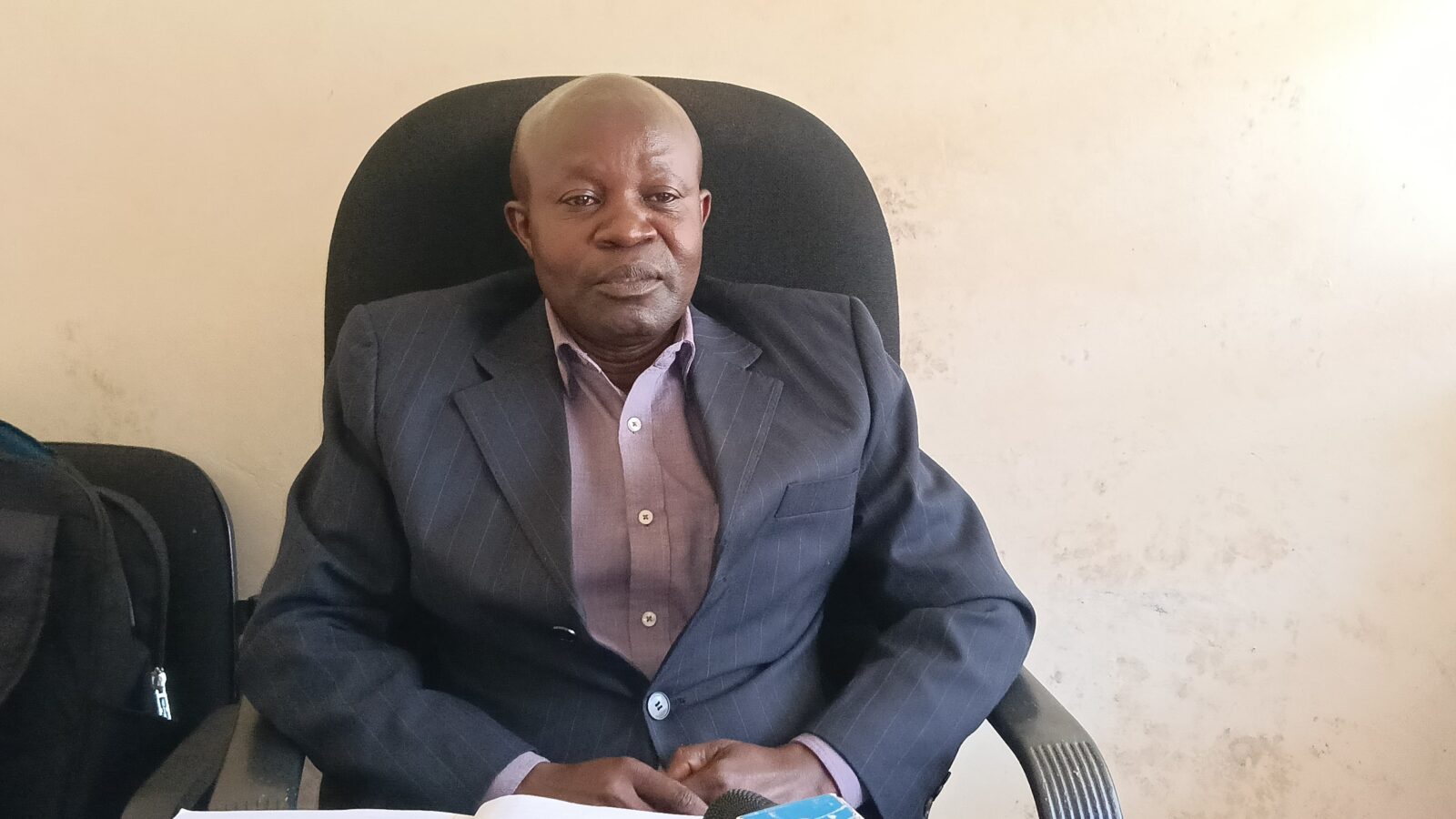
Speaking to TV47 in his office, Bungoma County Director for Meteorological Services Noah Eledi said El Nino itself is not rain but a phenomenon that occurs in the Pacific Ocean and can influence weather patterns far beyond the region.
“What happens is that when we are in our rain season, that phenomenon will enhance the rain. El Nino itself is not rain but it is just a phenomenon that exists in the central and eastern parts of the Pacific Ocean,” he said.
Eledi explained that El Nino is associated with unusual warming of surface waters in the central and eastern parts of the Pacific Ocean, a development that can alter normal weather patterns in different parts of the world.
“We talk of the El Nino phenomenon when we start realizing that the temperatures of the Pacific Ocean started rising. In fact, we started experiencing the El Nino phenomenon way back in May this year and we are still experiencing the same conditions in the Pacific,” he said.
According to him, the effects of the phenomenon are not uniform across all regions, with some areas experiencing increased rainfall while others may receive reduced rainfall depending on the season and prevailing atmospheric conditions.
In the Greater Horn of Africa, Eledi said the period between June and September can be associated with depressed rainfall under the prevailing El Nino conditions.
However, he said the situation is expected to change as the region approaches its October-November-December rainfall season, commonly referred to as the short rains.
“But when we enter into our short rain season, that is towards the end of the year and in most cases when we talk of October, November and December rains, then we refer to it as a short rainy season for our region,” he said.
Eledi said the presence of El Nino conditions during the short rains season normally increases the likelihood of enhanced rainfall in several parts of the region.
“That is why we are sensitizing people, telling them that we are likely to have enhanced rainfall in the near future, especially as we head towards our short rainfall season,” he said.
He cautioned, however, that weather forecasts should not be interpreted as a guarantee that every area will receive the same amount of rainfall, noting that several other climatic factors influence the distribution and intensity of rains.
At the same time, Eledi emphasized that meteorological analysis indicates that the enhanced rainfall could extend into the early months of next year if the prevailing conditions persist.
“If the conditions prevail, then we expect rainfall enhancement, although we have to be cautious. There are other factors that come into play. For example, the Indian Ocean that is just adjacent to us, it should also be warm,” he said.
He also said the interaction between different oceanic and atmospheric conditions makes weather forecasting a complex process, requiring continuous monitoring as the season progresses.
He urged residents, particularly those living in low-lying areas and flood-prone zones to take precautionary measures ahead of the anticipated enhanced rainfall.
“As we expect some enhanced rainfall, it means that we shall have a lot of surface runoff water and this water is likely to go to the lower ends of the county. Therefore, low-lying areas are likely to be flooded,” he said.
Eledi advised residents in vulnerable areas to consider moving to safer grounds before the onset of heavy rains instead of waiting until flooding occurs.
He also called on local authorities to identify and address areas prone to flooding, including low-lying sections where water accumulates during heavy rainfall.
He said early intervention, including improving drainage systems and filling or raising particularly vulnerable low-lying areas where appropriate, could help reduce the impact of flooding.
The meteorological expert further urged residents to pay attention to weather forecasts and advisories from relevant authorities to enable them to prepare for possible changes in weather conditions.
He said farmers, in particular, should use weather information to guide decisions on planting and other agricultural activities as the country enters the short rains season.