The government of Equatorial Guinea has resigned after failing to meet key performance targets, marking a significant political shake-up in the oil-rich nation.
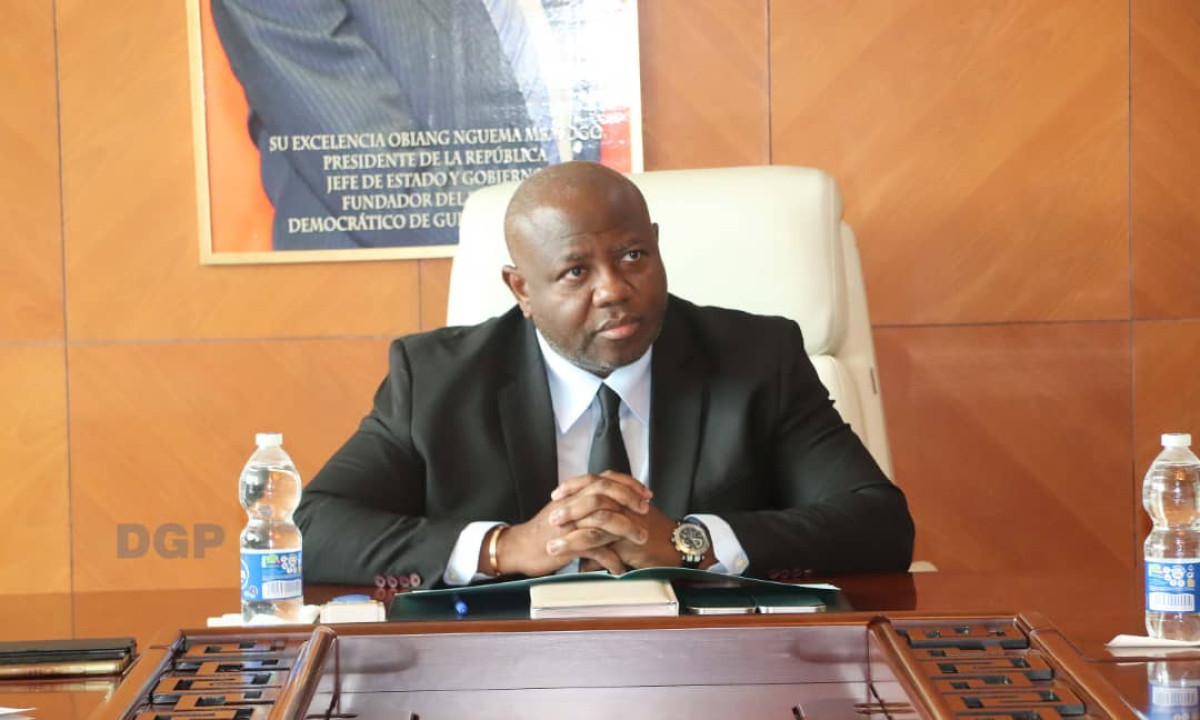
Vice-President Teodoro Nguema Obiang Mangue announced that Prime Minister Manuel Osa Nsue Nsua had submitted the resignation of the entire cabinet after the administration achieved less than 10 percent of its objectives.
In a statement posted on social media, Obiang said the decision was guided by the principle that public officials must be held accountable for results.
“The degree of execution achieved is clearly insufficient in relation to the expectations and commitments undertaken,” he said.
The resignations come less than two years after President Teodoro Obiang Nguema Mbasogo appointed the government in 2024.
According to a statement from the ruling Democratic Party of Equatorial Guinea, the president was dissatisfied with the cabinet’s performance and accused it of fostering corruption, misusing public resources and failing to implement critical development programmes.
The statement said the government had fallen short in efforts to diversify the economy, particularly in agriculture, leaving the country heavily dependent on imports despite having the capacity to produce many goods locally.
The administration was also criticised for delays in implementing development projects and for failing to address long-standing economic challenges facing the country.
Equatorial Guinea’s economy remains heavily reliant on oil and gas exports, which account for the majority of government revenue. However, declining oil production and fluctuating global demand have placed increasing pressure on the economy in recent years.
Despite the country’s significant natural resource wealth, poverty remains widespread among much of its estimated 1.8 million population.
President Obiang, who has ruled Equatorial Guinea since seizing power in 1979, is currently the world’s longest-serving head of state. Over the years, he has maintained a firm grip on power while appointing several family members, including his son and current vice-president, to senior government positions.
A new cabinet is expected to be appointed in the coming days as the government seeks to address concerns over governance, corruption and economic diversification.