
Traditional alcohol producers could soon operate under a formal licensing system if their products meet Kenya Bureau of Standards (KEBS) requirements, Deputy President Kithure Kindiki has announced.
The planned changes come as the government intensifies enforcement against illicit alcohol, with security agencies conducting 125 operations targeting illegal brews and illicit ethanol over the past 10 days.
Speaking on Wednesday, October 21, after meeting security agencies at his Karen residence in Nairobi, Kindiki said nine raids had targeted illicit ethanol, while another 116 operations focused on illegal alcoholic drinks.
He said the government had completed legislative proposals designed to disrupt the networks behind the manufacture and distribution of unsafe alcohol.
The proposed legislation would also allow authorities to seize assets and confiscate money linked to illicit alcohol and drug cartels. The funds recovered would be directed towards addiction rehabilitation programmes.
Kindiki said the government had established a permanent coordination mechanism at Harambee House Annex to strengthen cooperation among agencies involved in tackling alcohol and drug-related offences.
A separate framework to bring local communities into the campaign is expected to be released next week.
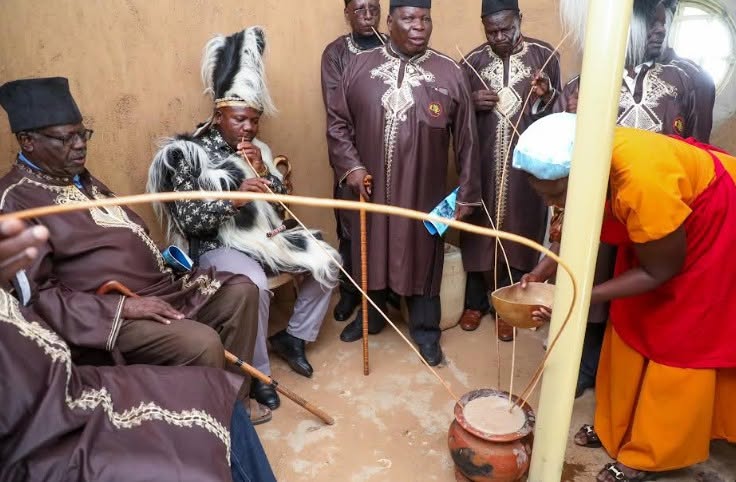
The licensing plan would cover traditional drinks that satisfy the applicable safety and quality standards. These include muratina, traditionally associated with the Kikuyu community, and busaa, a grain-based brew popular in parts of western Kenya.
Producers would, however, need to demonstrate compliance with the required standards before receiving licences.
The government’s position is that traditional brewing can be accommodated within the law, provided public safety requirements are met.
Kindiki said the wider campaign was not intended to undermine legitimate businesses but to protect Kenyans from dangerous alcoholic products associated with poisoning, serious illness and deaths.