
The Institution of Engineers of Kenya (IEK) has called for independent building safety audits and stricter enforcement of construction regulations to address rising concerns over unsafe buildings and structural failures.
IEK President Harrison Keter said the country needs an External Building Audit Act to introduce independent assessments, strengthen inspections and ensure developers and construction professionals are held accountable for negligence.
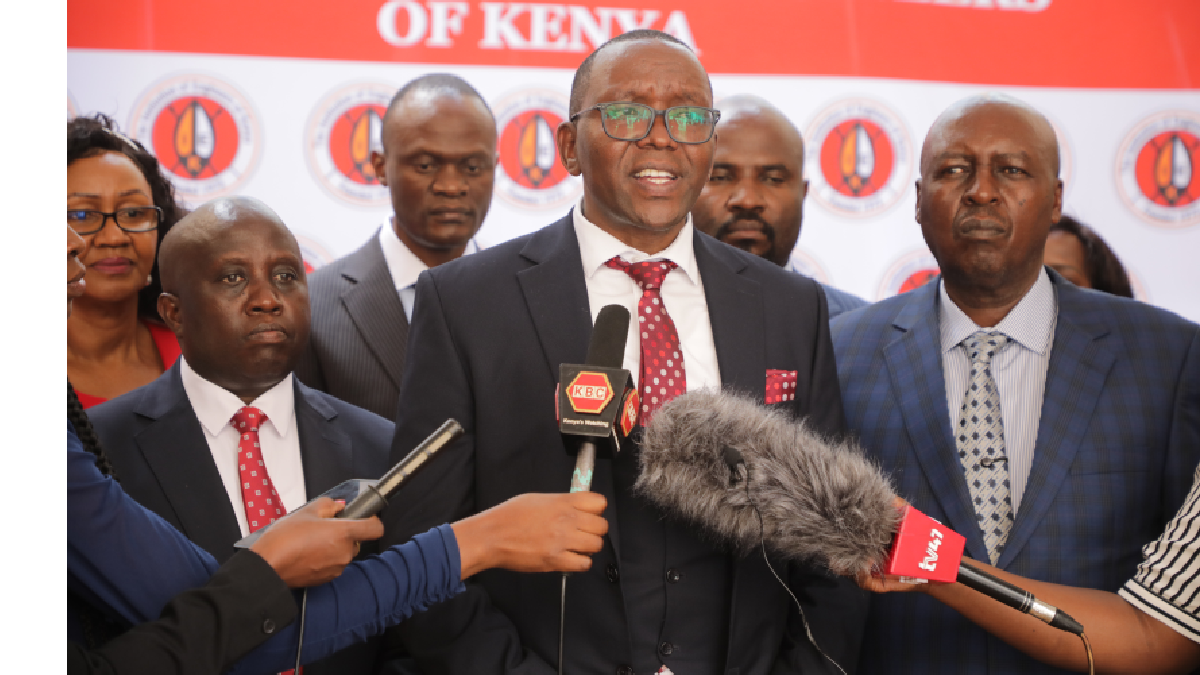
Speaking during the media launch of the 33rd IEK International Convention in Mombasa, Keter warned that inadequate supervision, weak enforcement and limited regulatory capacity continue to expose Kenyans to dangerous buildings.
He said independent audits would help identify structural defects, establish compliance with approved designs and detect safety risks before they result in disasters.
“The challenge is not simply the absence of regulations, but the ability of enforcement agencies to monitor construction sites consistently and ensure approved plans are followed,” Keter said.
The call comes amid worrying findings on building safety. Research by the National Construction Authority (NCA) documented 87 building failures and collapses between 1990 and 2018. A separate 2018 inspection of 14,925 buildings found that 723 were classified as very dangerous, while 10,791 were deemed unsafe.
The Architectural Association of Kenya’s Status of the Built Environment Report 2025 further exposed gaps in building inspections. Only 396 buildings were audited in 2025, compared with 20,649 in 2024, with 87 per cent of those inspected failing to meet building standards or lacking the necessary approvals.
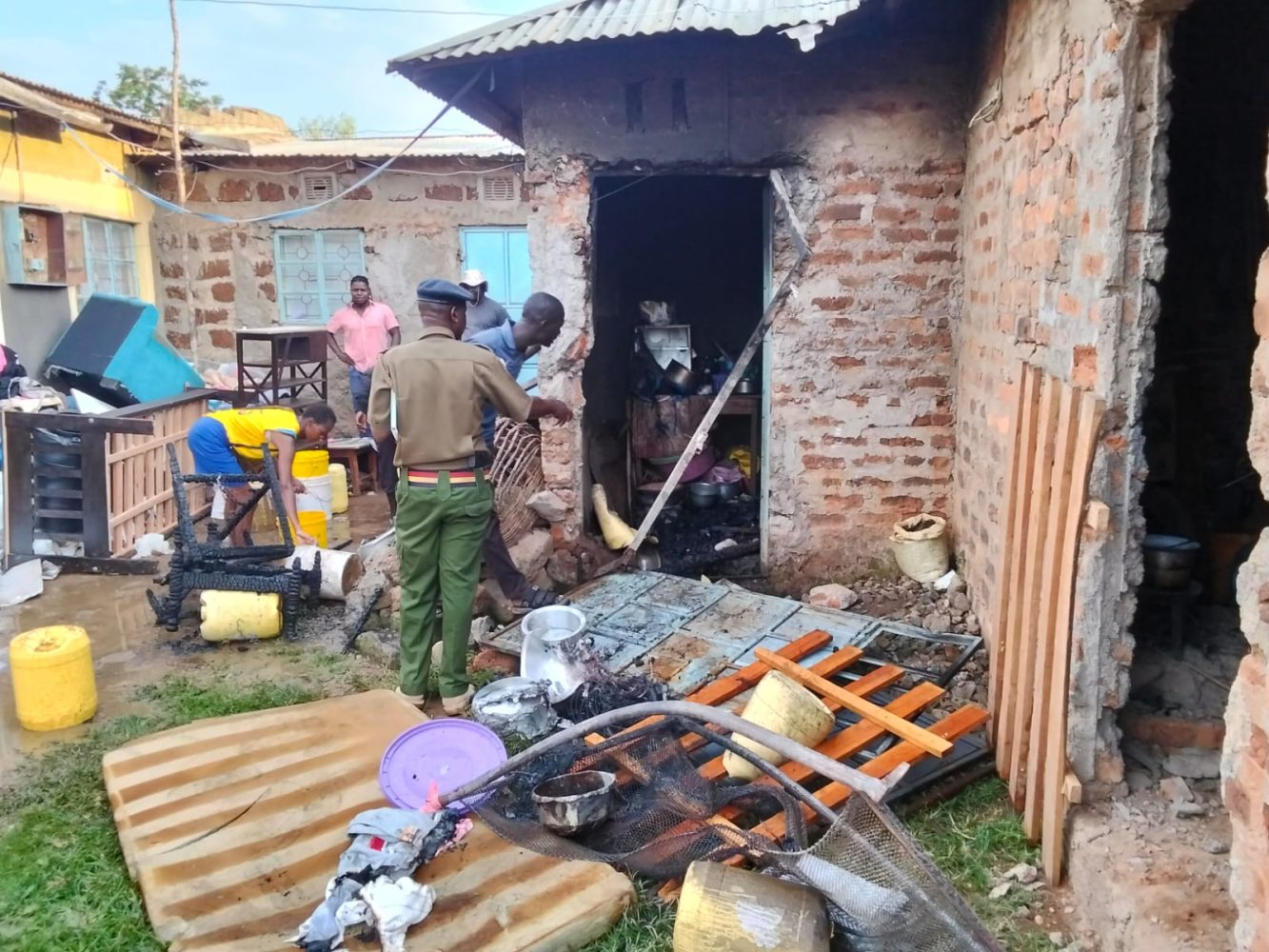
The risks were brought into focus by the January 2026 collapse of a building under construction in Nairobi’s South C estate. Investigations by the NCA established that the development had exceeded its approved 12-storey design by four additional floors.
Keter also raised concerns over engineers being assigned responsibility for hundreds of projects, warning that excessive workloads undermine effective supervision. He called for greater involvement of independent consulting engineers and stronger accountability for professionals overseeing construction.
Principal Secretary in the State Department for Roads Joseph Mbugu backed the call for tougher enforcement, citing unqualified practitioners, poor supervision and disregard for approved construction procedures as persistent challenges in the industry.
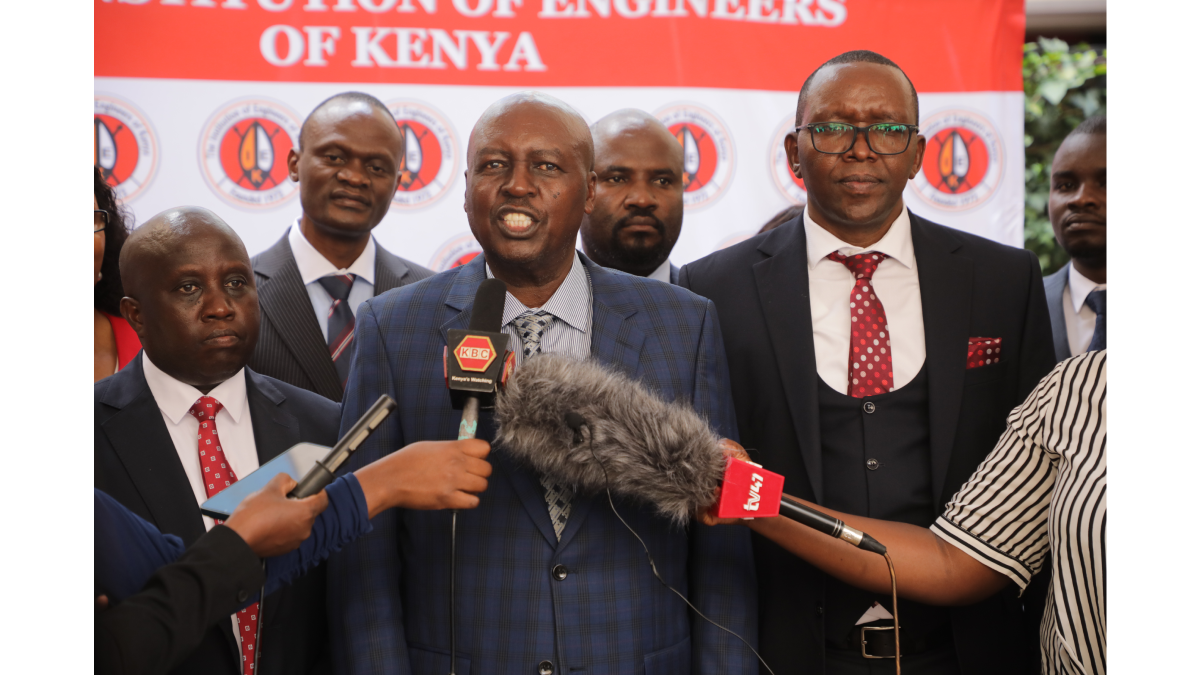
Mbugu urged developers, contractors and professionals to adhere to approved designs and safety standards, while calling on professional regulatory bodies to investigate misconduct and take disciplinary action against those who fail to meet their obligations.
Meanwhile, Principal Secretary in the State Department for ICT and the Digital Economy John Kipchumba Tanui urged increased investment in technology to strengthen construction monitoring.
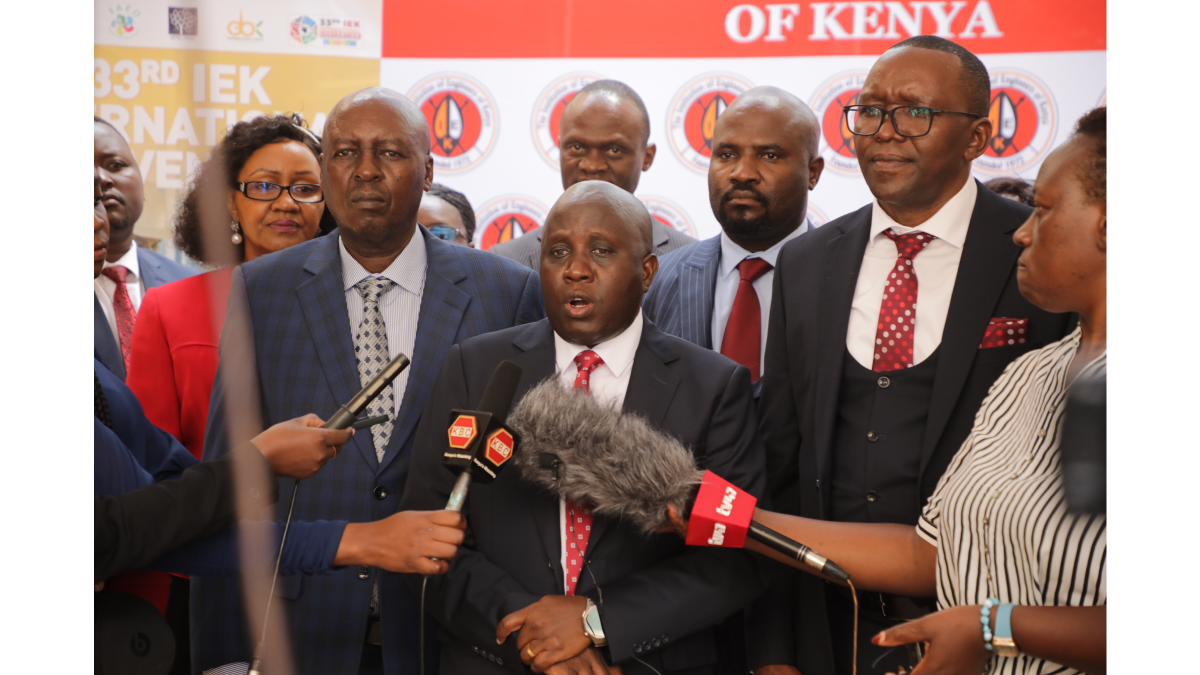
Tanui said intelligent systems could improve data collection, facilitate real-time monitoring and enable regulators to identify unauthorised developments before they become safety hazards.
He noted that digital platforms could help authorities track construction projects against approved plans, maintain inspection records and detect deviations at an early stage.
The AAK report also highlighted shortcomings in digital permitting, noting that only eight counties had online permitting systems in 2025, with some platforms not consistently operational. It further estimated that professional services were engaged in only about 20 per cent of construction projects.
The three leaders agreed that improving building safety requires more than regulations, calling for stronger enforcement, adequate staffing, professional accountability and technology-driven oversight.
The discussions come ahead of the 33rd IEK International Convention, scheduled for November 24 to 27, 2026, at Paradise Beach Resort in Mombasa.
Held under the theme “Intelligent Systems for Sustainable Development,” the convention will bring together engineers and other stakeholders to explore how technology can support sustainable development and strengthen professional practice.