
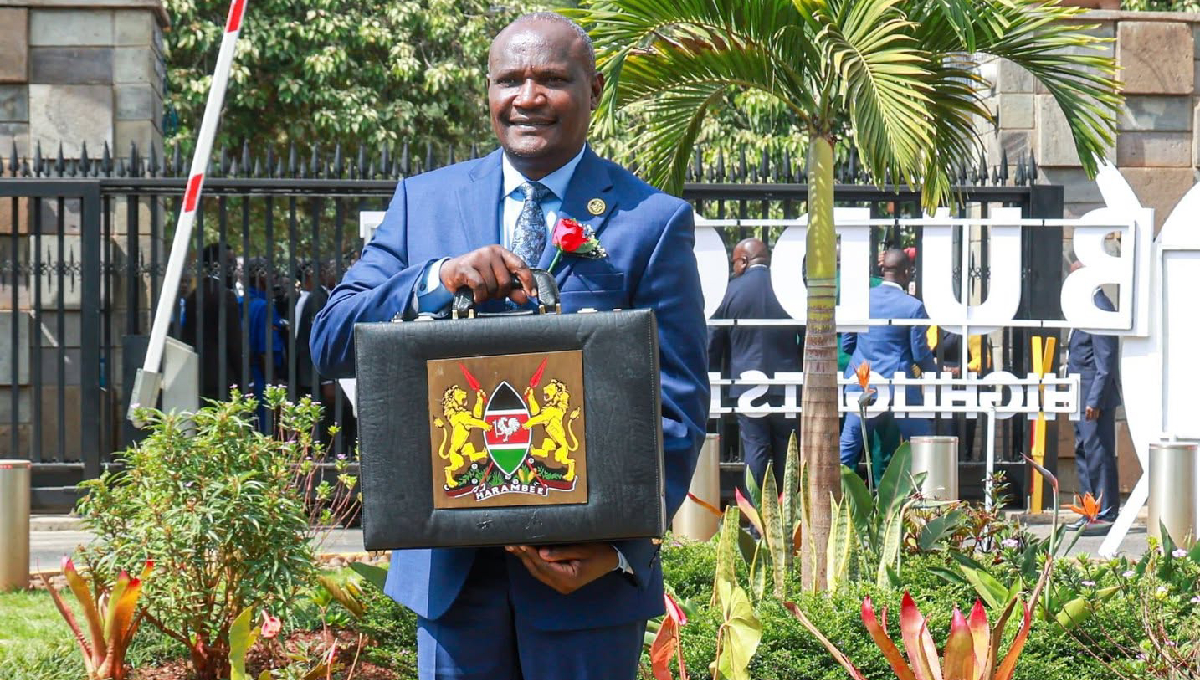
The education sector is set to receive a significant funding boost under the government’s latest budget proposals, with billions of shillings earmarked for teacher recruitment, school infrastructure, student financing, and skills development programmes.
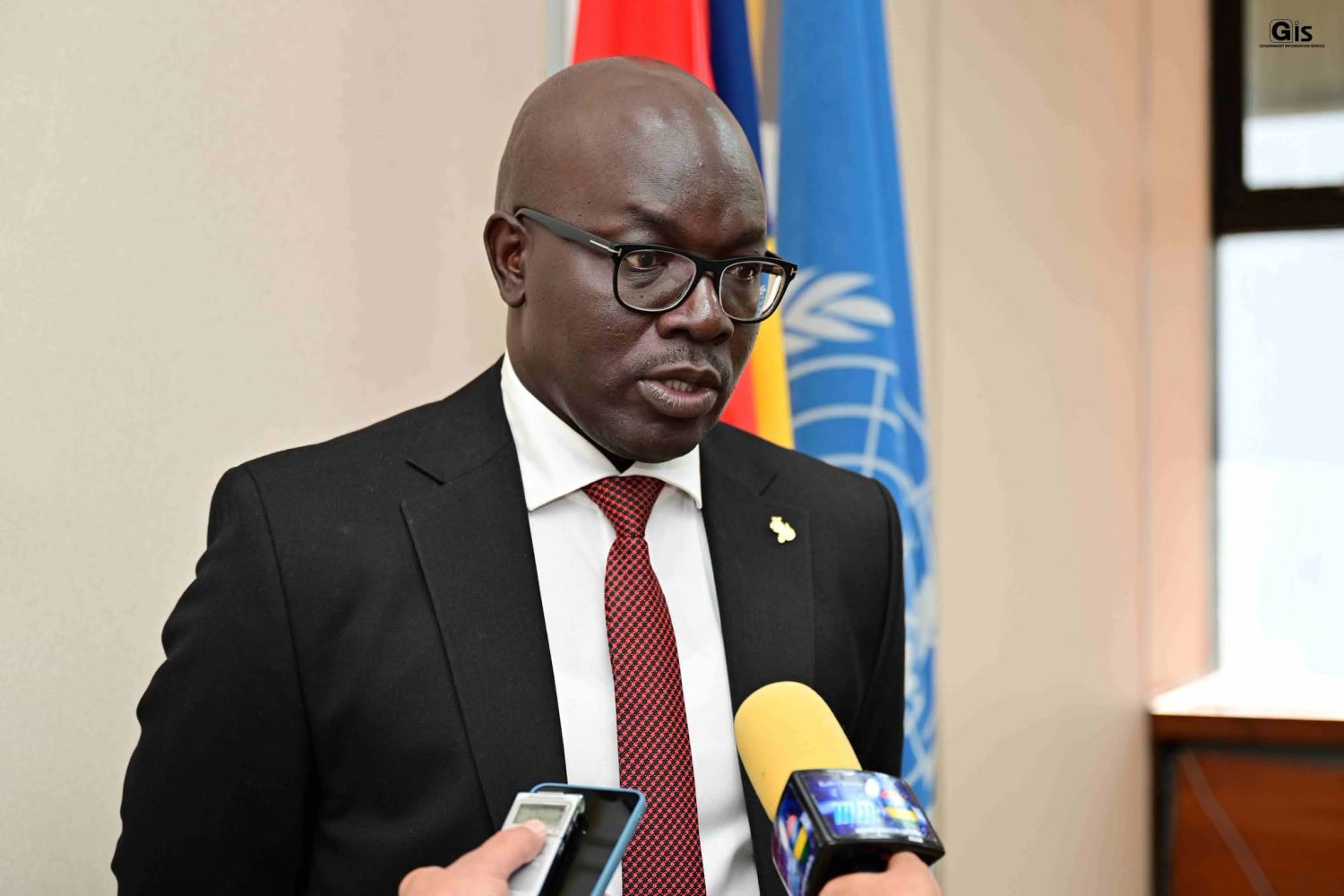
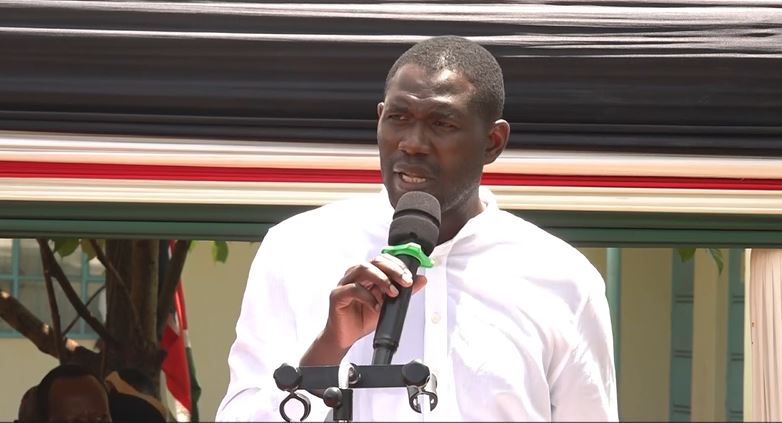
Presenting the budget estimates on Thursday, June 11 in Parliament, Treasury Cabinet Secretary John Mbadi announced a series of allocations aimed at improving access to quality education, addressing teacher shortages, and strengthening higher education and technical training across the country.
Among the key allocations is KSh3 billion for the school feeding programme, an increase from KSh2.2 billion allocated in 2022.
The programme is expected to improve learner retention and support vulnerable students, particularly in food-insecure regions.
CS Mbadi stated that teachers who marked exams will be paid their arrears before the end of this financial year through an allocation of KSh1.5 billion.
“That is what we have provided before the end of this year to pay the arrears of KSh1.5 billion to teachers. So teachers who marked exams they will be paid before the end of this financial year, KSh1.5 billion,” Mbadi said.
The government has also proposed KSh4.9 billion to facilitate the conversion of 20,000 intern teachers into permanent and pensionable terms beginning January 2027.
A further KSh8.2 billion has been allocated to support intern teachers and help bridge staffing gaps in schools.
Mbadi further revealed that an additional 24,000 intern teachers recently recruited by the government will be absorbed into permanent and pensionable terms in July 2027.
“Mr. Speaker, I am proposing KSh4.9 billion to be provided for conversion of 20,000 intern teachers into permanent and pensionable from January 2027. Further, the newly recruited 24,000 intern teachers will be converted into permanent and pensionable terms in July 2027,” he stated.
According to the Treasury CS, the government is on track to employ a total of 116,000 teachers by next year, translating to an average of more than 20,000 teachers annually.
“There is no other government that has ever employed more than 10,000 teachers per year. This government is employing on average 20,000 teachers per year,” Mbadi noted.
To improve the learning environment, the government has proposed KSh4.1 billion for the construction and rehabilitation of primary and secondary school infrastructure.
Another KSh2.1 billion has been allocated for the construction and equipping of Technical and Vocational Education and Training (TVET) institutions.
Additional funding includes KSh7.1 billion for the Kenya Primary Education Equity and Learning Programme and KSh4.7 billion for the Kenya Secondary Education Quality Improvement Programme, both aimed at enhancing learning outcomes and improving education standards.
“To improve learning environment and skills training, I am proposing KSh4.1 billion for primary and secondary school infrastructure and KSh2.1 billion for construction and equipping of TVET centers, KSh7.1 billion for the Kenya Primary Education Equity and Learning Program, and KSh4.7 billion for Kenya Secondary Education Quality Improvement,” CS Mbadi said.
Higher education and technical training institutions are also set to benefit from increased funding.
The government has allocated KSh56.3 billion to the Higher Education Loans Board (HELB) to support university and TVET students through loans.
The allocation marks a sharp increase from the KSh15.39 billion allocated in 2022.
The budget further proposes KSh30.9 billion for university scholarships and KSh9.2 billion specifically for TVET scholarships to expand access to higher education and skills training.
Public universities will also receive KSh6.7 billion to settle Collective Bargaining Agreement (CBA) arrears and Ksh 5.9 billion for ongoing development projects across institutions.
“There is additional 30.9 billion for university scholarships. There is also 9.2 billion dedicated specifically for TVET scholarships, 6.7 billion for CBA arrears for universities and 2021-2022 CBA. Another 5.9 billion for ongoing projects in universities across the country, measures that expand access and strengthen human capital for a competitive economy,” Mbadi said.
The proposed investments form part of the government’s broader strategy to strengthen human capital development, improve education outcomes, and equip young people with the skills required to compete in an evolving economy.