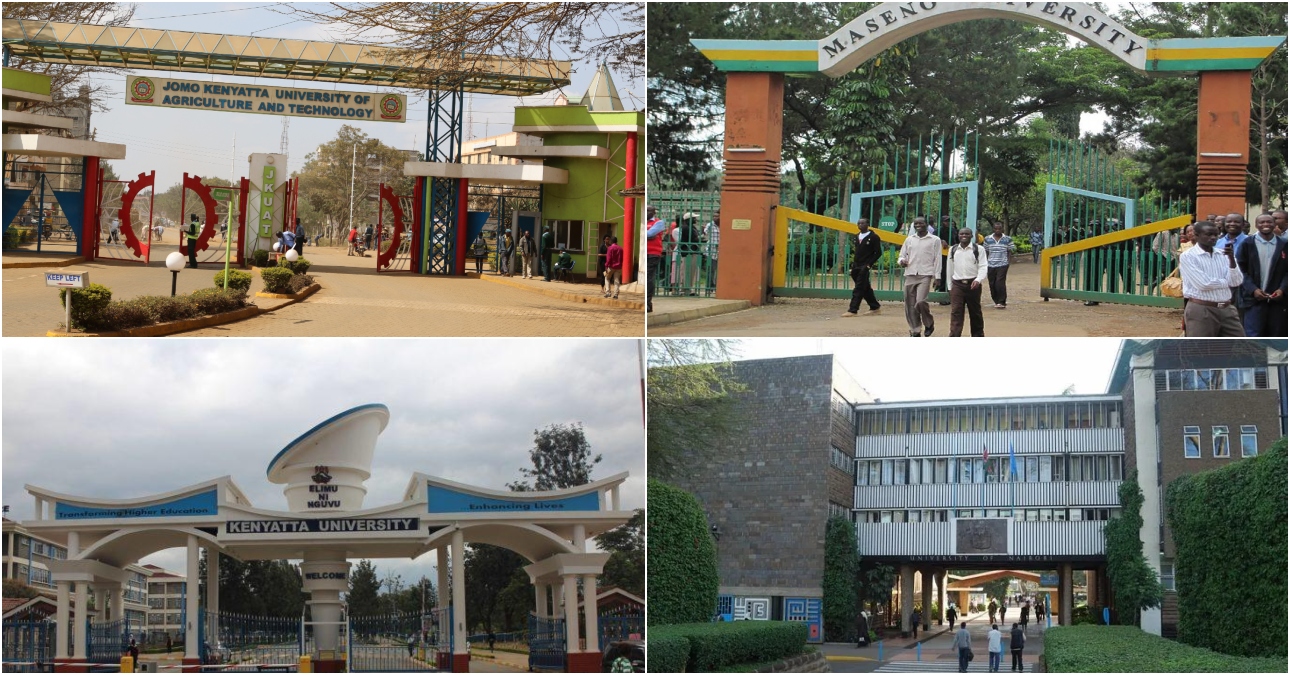
For thousands of students admitted to public universities each year, the excitement of receiving an admission letter is often followed by a daunting question: How will we pay for university?
That question could soon have a different answer.
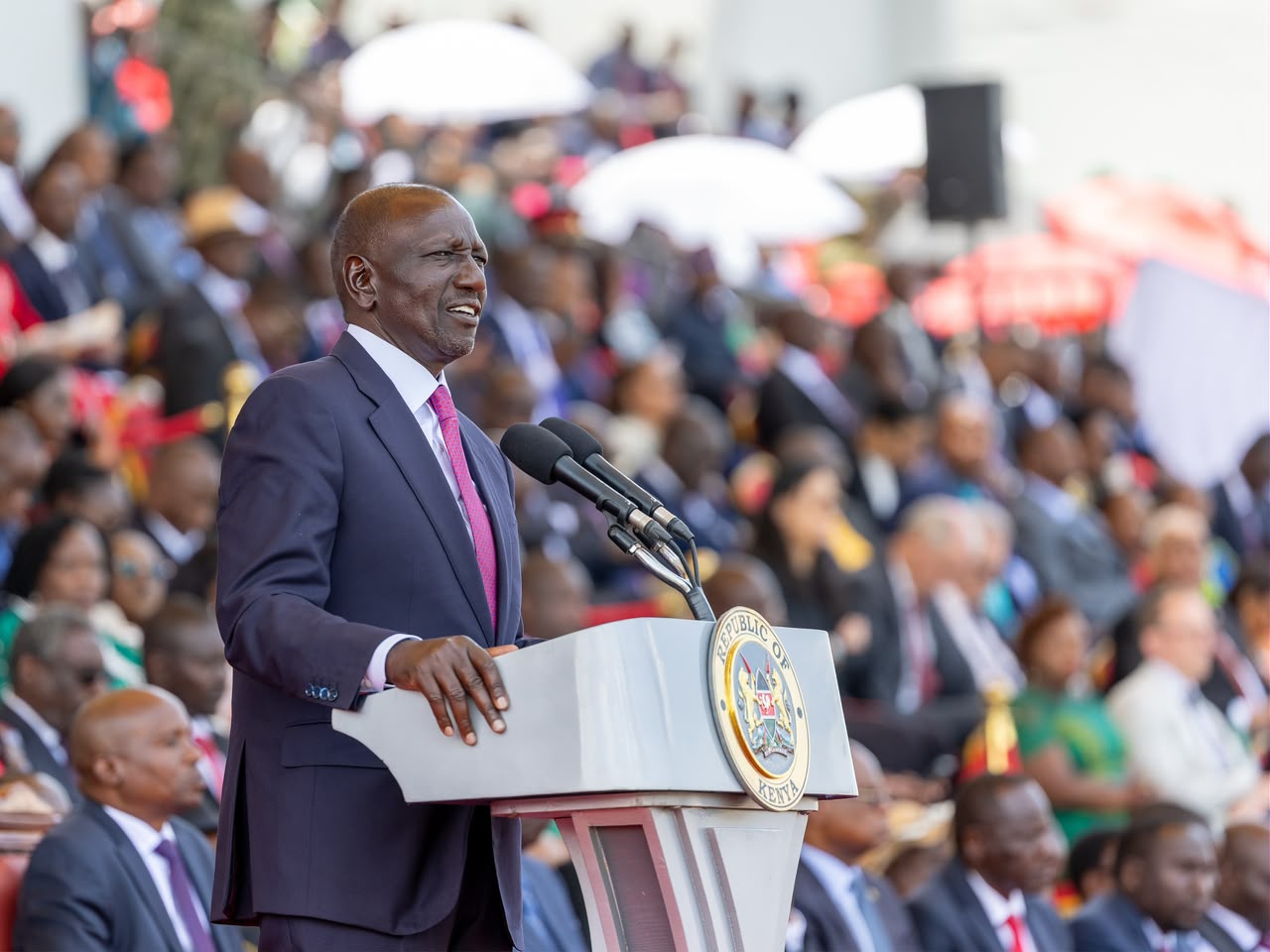
President William Ruto on Tuesday announced that every student admitted to a public university or college will receive full government funding under proposed amendments currently before Parliament.
“It will not matter the background of any child in Kenya, but how good they are,” Ruto said.
If approved, the changes would mark a significant departure from the controversial Differentiated Unit Cost (DUC) funding model introduced in 2023.
“Going into the future, we have tried to grapple with how to fund our universities. We tried the differentiated model. It did not work because it made most universities close down,” he said.
Speaking at State House, Nairobi, the President said the proposed amendments are intended to ensure that every qualified student receives government support regardless of their financial background.
“The amendments before Parliament will ensure that all students admitted to public universities and colleges are funded by the government,” he said.
The announcement signals a major policy shift in higher education financing. Under the current student centred funding model, university students are placed into five funding bands based on their household income, with the level of government scholarships and loans varying according to each student’s assessed financial need.
The model has faced widespread criticism since its introduction, with students, parents and education stakeholders arguing that many learners were placed in incorrect funding bands, leaving some unable to afford tuition and other university expenses. The policy also faced legal challenges, prompting the government to review the system.
Under the proposed changes, financial background would no longer determine whether a student qualifies for government funding, effectively restoring universal state support for all students admitted to public universities and colleges.
While the announcement has been welcomed by many as a move towards expanding access to higher education, key questions remain unanswered.
It is still unclear how much the programme will cost taxpayers, whether government funding will cover only tuition or extend to accommodation and upkeep, and what role the Higher Education Loans Board (HELB) will play under the new arrangement. Questions have also been raised about whether the government can sustainably finance the programme at a time when many public universities continue to grapple with financial challenges.