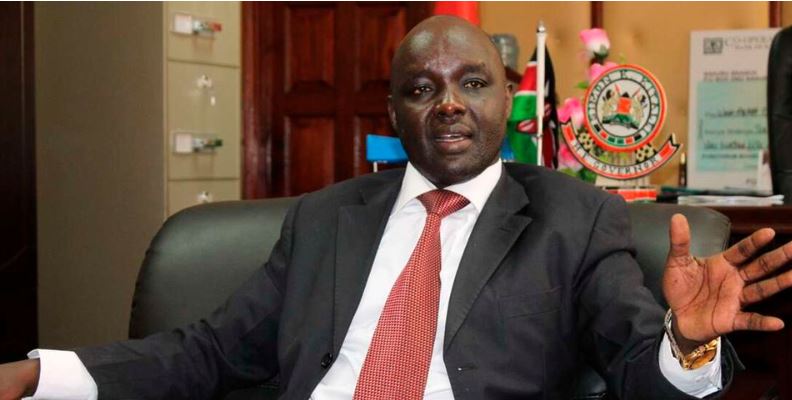

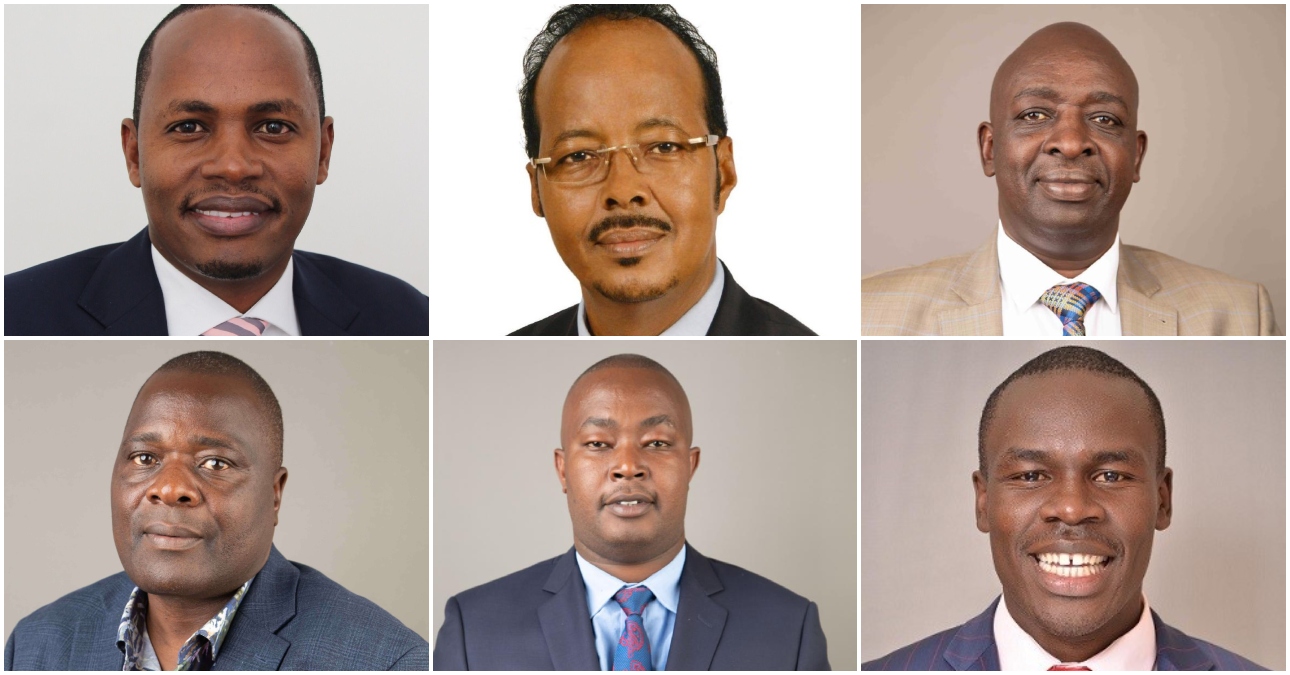
Yatta Member of Parliament Robert Basil has emerged as the country’s leading legislator in constituency development, scoring 88 per cent in the 2026 Kenya Track Survey assessment of parliamentary performance through the National Government Constituencies Development Fund (NG-CDF).
Basil tops a national ranking featuring 20 Members of Parliament drawn from different parts of the country, followed by Adan Keynan of Eldas Constituency, who secured 86 per cent, and James Gakuya of Embakasi North, who ranked third with 83 per cent.
Titus Khamala of Lurambi Constituency occupied fourth position with 82 per cent, while Benjamin Gathiru of Embakasi Central completed the top five with an approval rating of 80 per cent.
The assessment examines constituency-level development, parliamentary leadership and the perceived impact of grassroots development initiatives, particularly those supported through NG-CDF. It places emphasis on education, bursary administration, public infrastructure, equitable distribution of resources and the implementation of projects intended to improve community welfare.
Basil’s leading position places Yatta at the forefront of the national assessment, with the report highlighting the importance of accessible bursary programmes, improved school infrastructure, classroom facilities and support for learners from economically disadvantaged households. The assessment also points to the need for strategic identification of community priorities and equitable distribution of development resources to ensure that different areas of the constituency benefit from public investments.
Keynan’s 86 per cent rating places Eldas second nationally, reflecting a strong showing in the survey’s evaluation of constituency development. The report identifies educational access, bursary support and improvements to public school infrastructure as significant priorities. It further underscores the importance of transparent allocation of funds, proper supervision of development projects and effective identification of community needs to ensure that public resources translate into meaningful outcomes.
Gakuya, who represents Embakasi North, secured third position with 83 per cent, placing the Nairobi constituency among the country’s highest-ranked. The assessment recognises the development pressures associated with its densely populated urban environment, particularly increasing demand for educational infrastructure, classroom capacity and accessible public services. Bursary assistance to learners from disadvantaged households, improvements to public schools and equitable distribution of development projects across neighbourhoods feature prominently in the report.
Khamala’s fourth-place ranking with 82 per cent places Lurambi among the leading constituencies in the national assessment. The report highlights bursary accessibility, improved school facilities and assistance to learners from financially challenged families as important development considerations. It also emphasises the need for transparent project identification, effective supervision and public participation to ensure that development interventions address genuine community priorities.
Gathiru, who represents Embakasi Central, scored 80 per cent to secure fifth position nationally. His ranking places the constituency among the country’s top five. The assessment identifies bursary distribution, improvements to school infrastructure, classroom capacity and support for vulnerable learners as important areas of focus. It further stresses the importance of completing approved projects, strengthening community facilities and ensuring that development resources are allocated through transparent processes.
Silvanus Osoro of South Mugirango ranked sixth nationally with 79 per cent, with the assessment highlighting educational assistance, improvements to public school infrastructure and support for students from economically disadvantaged households. The report also points to the importance of transparent procurement, responsible financial management and proper supervision of constituency projects.
Charles Nguna of Mwingi West followed in seventh position with 77 per cent. His constituency’s development priorities include improving access to education, strengthening public school infrastructure and ensuring that financially disadvantaged students benefit from bursary programmes. The assessment further emphasises the need for proper identification of beneficiaries, infrastructure development and effective monitoring of approved projects.
Titus Lotee of Kacheliba secured eighth position with 76 per cent. The report highlights the importance of improving educational access for communities across the constituency, with particular attention to bursary support, school infrastructure and geographical accessibility. Effective implementation of approved projects, community participation and proper supervision are also identified as essential to improving public service delivery.
Nabii Nabwera of Lugari ranked ninth with 74 per cent, with the assessment focusing on expanding educational opportunities, supporting learners through bursary programmes and improving public learning institutions. The report also underscores the importance of fair distribution of educational resources, transparent project implementation and consistent monitoring to ensure that development interventions deliver their intended benefits.
Julius Mawathe of Embakasi South completed the top ten with 72 per cent. The assessment highlights the demands associated with the constituency’s urban setting, particularly pressure on public educational facilities, classroom improvements and assistance to learners from economically disadvantaged households. Equitable distribution of development projects across neighbourhoods, transparent procurement and proper supervision of approved works are also highlighted.
Samuel Onunga Atandi of Alego Usonga secured eleventh position with 71 per cent. The report identifies bursary accessibility, improvements to public school infrastructure and adequate classroom facilities as important development priorities. It also stresses the need for transparent allocation of resources, effective project supervision and community participation in determining development priorities.
Kareke Mbiuki of Maara ranked twelfth with 70 per cent. His assessment highlights educational opportunities, improved public school infrastructure and bursary programmes aimed at supporting students from financially challenged households. The report further identifies public infrastructure, institutional support and equitable distribution of resources as important components of sustainable constituency development.
Salah Yakub of Fafi occupied thirteenth position with 69 per cent. The report identifies educational access, bursary programmes and improvements to public school facilities as important priorities, while highlighting the need to consider geographical accessibility and the challenges facing communities located far from established service centres. Transparent procurement, fair distribution of resources and effective project supervision are also emphasised.
Alfah Miruka of Bomachoge Chache ranked fourteenth with 67 per cent, sharing the same rating with Irene Njoki of Bahati, who occupied fifteenth position.
For Bomachoge Chache, the assessment highlights bursary accessibility, improved public school facilities and support for learners from economically disadvantaged households. It also emphasises infrastructure development, public participation and proper supervision of approved projects to ensure that investments respond to local priorities.
In Bahati, the report identifies bursary programmes, improvements to public school infrastructure and assistance to vulnerable learners as key development considerations. It further stresses the importance of ensuring that educational support reaches deserving beneficiaries while public infrastructure projects are implemented transparently and sustainably.
Gideon Kimaiyo of Keiyo South ranked sixteenth with 65 per cent. The assessment highlights strengthening educational infrastructure, expanding bursary access and supporting public learning institutions. It also points to the importance of fair distribution of resources, proper project planning and financial accountability in ensuring that constituency development initiatives deliver lasting benefits.
Yakub Dubow Kuno of Bura secured seventeenth position with 63 per cent. The report identifies educational development as a major priority, particularly support for learners facing financial and geographical barriers. Improvements to public school facilities, access to essential learning resources and the equitable distribution of development projects are also highlighted.
Aduma Awuor of Nyakach ranked eighteenth with 61 per cent, sharing the same score with Antony Kibagendi of Kitutu Chache, who occupied nineteenth position.
For Nyakach, the assessment identifies bursary support, improvements to public school infrastructure and assistance to financially challenged households as important development interventions. It further highlights the need for improved public facilities, transparent resource allocation and meaningful community participation in project implementation.
In Kitutu Chache, the report points to bursary programmes, improved school infrastructure and assistance to students from economically disadvantaged households as key development priorities. Public participation, transparent procurement and proper supervision of approved projects are also considered essential in ensuring that resources are utilised responsibly.
Rozah Mbuyu of Kisumu West completed the national top twenty with 59 per cent. The assessment highlights the constituency’s urban development demands, particularly the need to strengthen educational infrastructure, support learners through bursary programmes and improve public learning institutions. Equitable distribution of resources across neighbourhoods, transparent financial management and effective supervision of development projects are also identified as important considerations.
The survey was conducted between October 1 and October 29, 2026, involving 6,321 respondents drawn from across the country.
According to the methodology outlined in the report, the assessment employed random sampling distributed proportionately to population size, with data collected through telephone interviews. The target population comprised adults aged 18 years and above living in both rural and urban areas.
Women accounted for 53 per cent of the respondents, while men represented 47 per cent. Rural respondents constituted 58 per cent of the sample, compared with 42 per cent from urban areas.
In terms of age distribution, respondents aged between 41 and 50 years accounted for 31 per cent, followed by those aged 30 to 40 years at 30 per cent. Participants above 50 years represented 22 per cent, while those below 30 years accounted for 17 per cent.
The survey reported a margin of error of plus or minus three percentage points at a 95 per cent confidence level.
The findings place education at the centre of constituency development, particularly the role of NG-CDF in supporting students from disadvantaged households and improving public learning institutions. The report observes that effective bursary administration, equitable identification of beneficiaries and investment in educational infrastructure remain important measures of grassroots development.
Beyond education, the assessment emphasises that constituency development must be anchored in transparent resource allocation, public participation, effective project supervision and accountability in the utilisation of public funds.
It further argues that the success of development interventions should be measured through completed projects, improved access to public services, quality infrastructure and sustainable benefits to communities rather than merely announced allocations or proposed initiatives.
The report also underscores the importance of residents having access to information on project allocations, procurement processes, implementation timelines and expenditure to strengthen public confidence in constituency development structures.
As Kenya approaches the 2027 General Election, the assessment adds to the broader national conversation on parliamentary representation, accountability and the responsibility of elected leaders to demonstrate measurable development outcomes.
Ultimately, the Kenya Track Survey ranking places Robert Basil of Yatta at the top of its 2026 constituency development assessment, followed by Adan Keynan and James Gakuya, while recognising 17 other legislators whose constituencies also feature among the country’s top twenty.