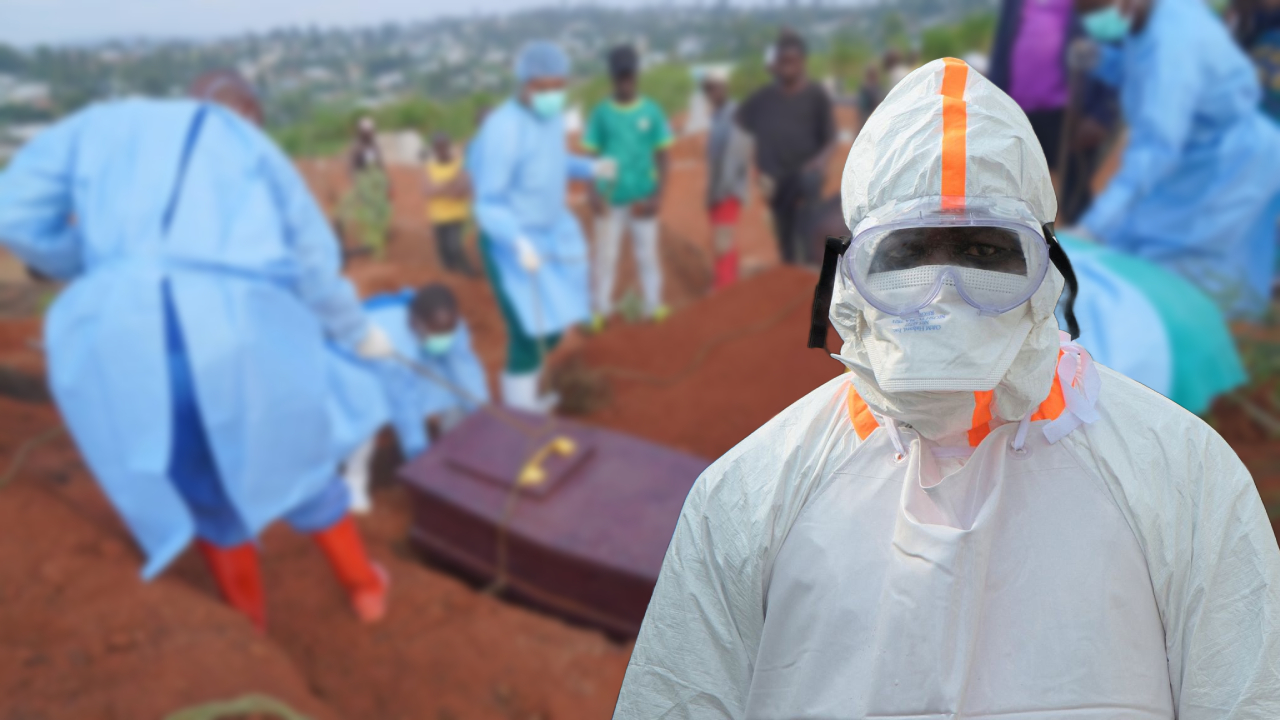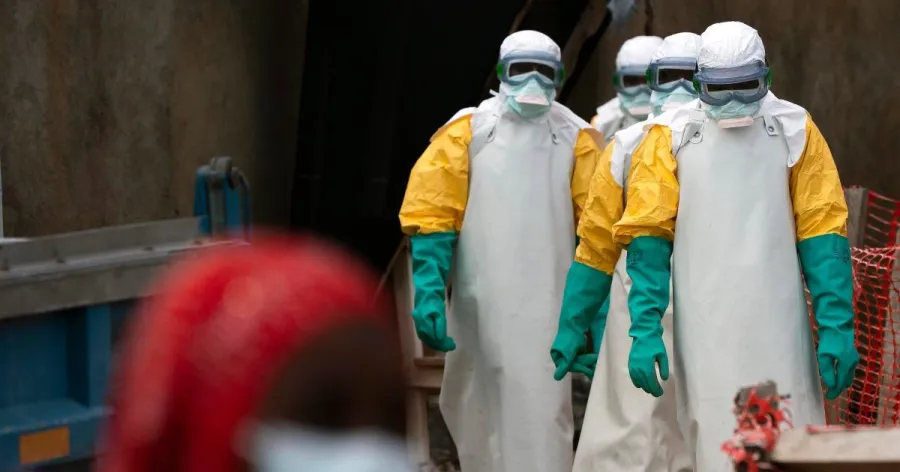
The County Government of Laikipia has asked the High Court to stop the establishment of a proposed Ebola isolation and treatment facility at the Laikipia Air Base, arguing that the project could harm the county’s tourism sector, endanger schoolchildren and was approved without sufficient consultation with county authorities.
In a replying affidavit filed before the court, County Executive Committee Member for Health Albert Taiti said the national government failed to meaningfully involve the county administration before identifying Laikipia as the preferred location for the facility.
Taiti contends that the move contravenes constitutional principles governing devolution and intergovernmental relations, which require consultation and cooperation between the two levels of government on matters affecting local communities.
The county says concerns over the proposed facility have already begun affecting the local economy, with reports of cancellations in hotels and other hospitality establishments following public disclosure of the project.
According to court documents, tourism remains a key pillar of Laikipia’s economy, supported by internationally renowned conservation areas including Ol Pejeta Conservancy, Ol Jogi Wildlife Conservatory and Mount Kenya National Park.
The county argues that associating the region with an Ebola treatment centre could undermine its reputation as a premier tourism destination and negatively affect thousands of residents who depend on the sector.
“It is reckless for the Respondents to select Laikipia as the venue for the Ebola Facility well knowing that the county heavily relies on tourism which is a fragile industry,” Taiti states in the affidavit.
The county has also raised concerns about the proximity of the proposed facility to educational institutions within the airbase.
Taiti says Laikipia Airbase Primary School and Laikipia Airbase Junior School serve children from military families as well as neighbouring civilian communities, including Nanyuki, Thingithu and Segera wards.
He argues that situating an Ebola treatment and isolation centre within the same environment could have implications for the safety, health and psychological wellbeing of learners.
According to Taiti, article 53(2) of the Constitution, places the best interests of the child at the centre of all decisions affecting children.
Laikipia further argues that its healthcare system lacks the capacity to adequately respond to a major Ebola outbreak.
The affidavit references the Laikipia County Community Health Strategy 2021-2025, which highlights resource constraints in community health services and disease surveillance programmes.
The county maintains that existing health facilities and frontline health personnel are insufficient to effectively manage a large-scale infectious disease emergency despite serving a population of more than 518,000 residents.
The court was also told that opposition to the project has sparked demonstrations in Nanyuki town, with some protests reportedly disrupting business activities.
Taiti says the government has not clearly outlined the benefits the facility would bring to local residents, a factor he argues has contributed to public resistance.
Laikipia County is backing the petition before the High Court and is seeking orders compelling the government to conduct comprehensive public participation, biosafety evaluations and public health risk assessments before proceeding with the project.
Katiba institute and the law society of Kenya (LSK) have sued the Attorney General, the Cabinet Secretaries for Health and Foreign Affairs, and their respective ministries.
The Kenya National Commission on Human Rights and KELIN Kenya are among the interested parties in the proceedings.