
Parliamentarians, county assembly representatives, and civil society leaders have called for a fundamental overhaul of Kenya’s anti-corruption strategies, warning that systemic graft and political self-interest continue to undermine democratic institutions and public trust.
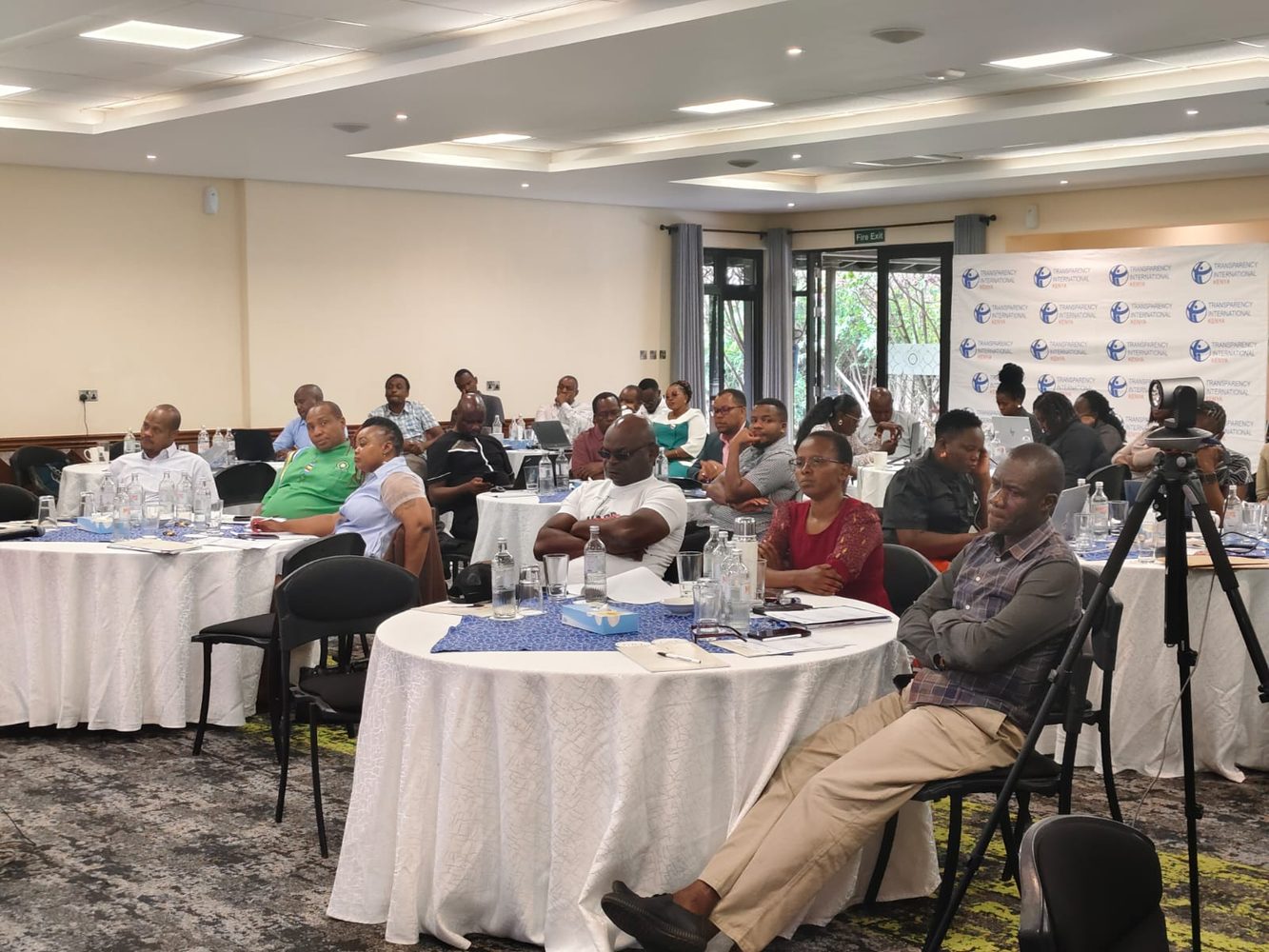
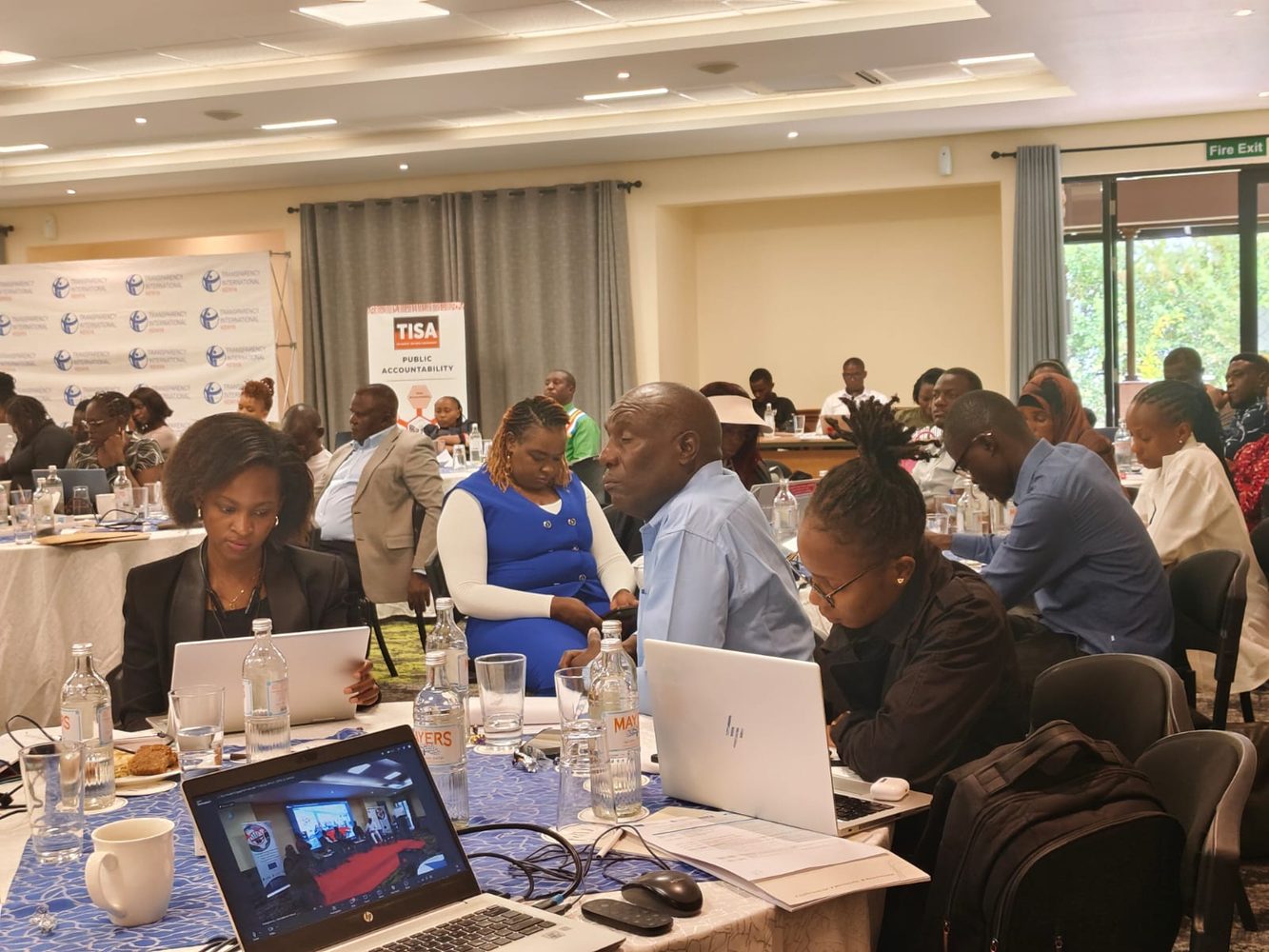
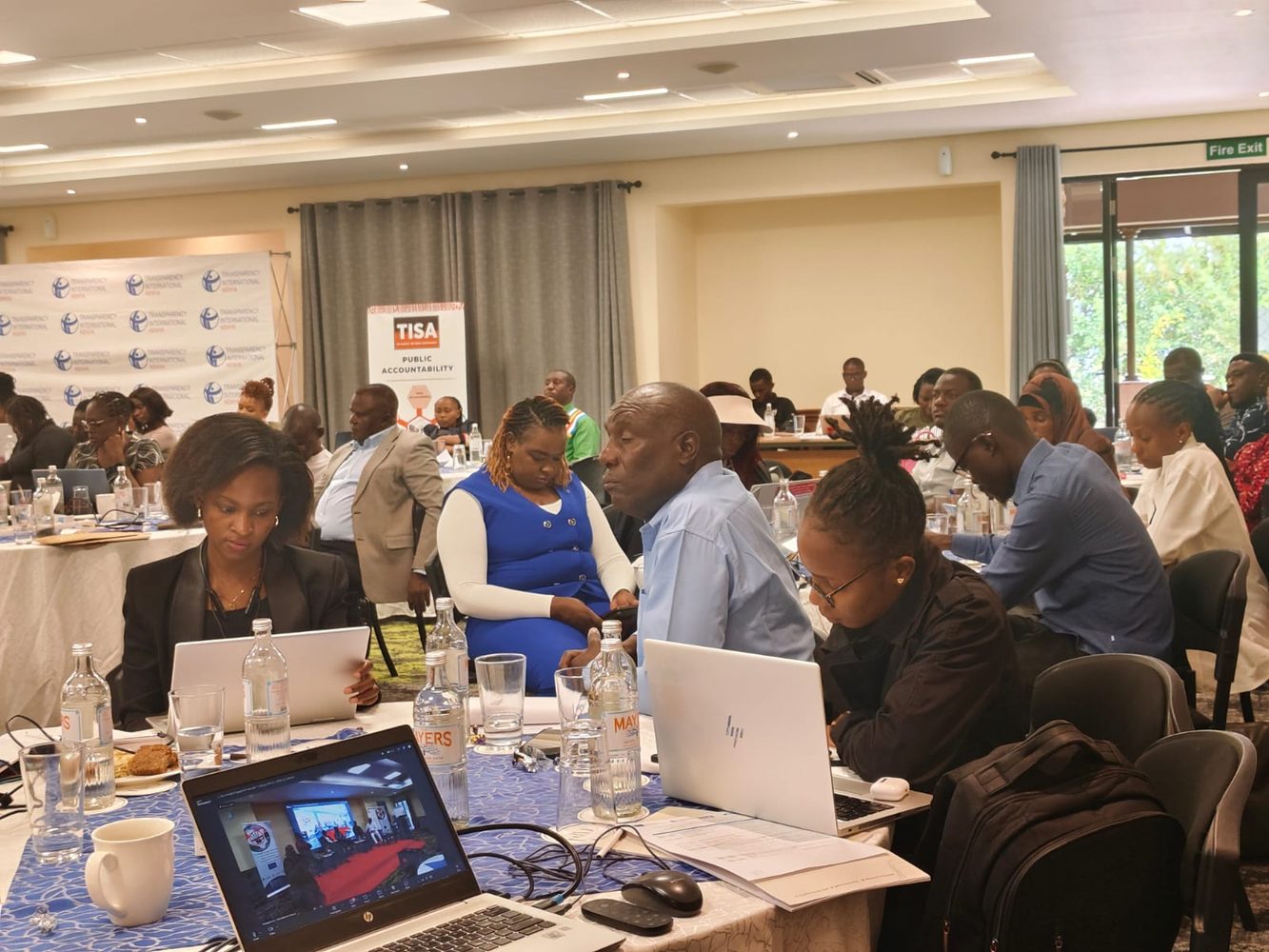
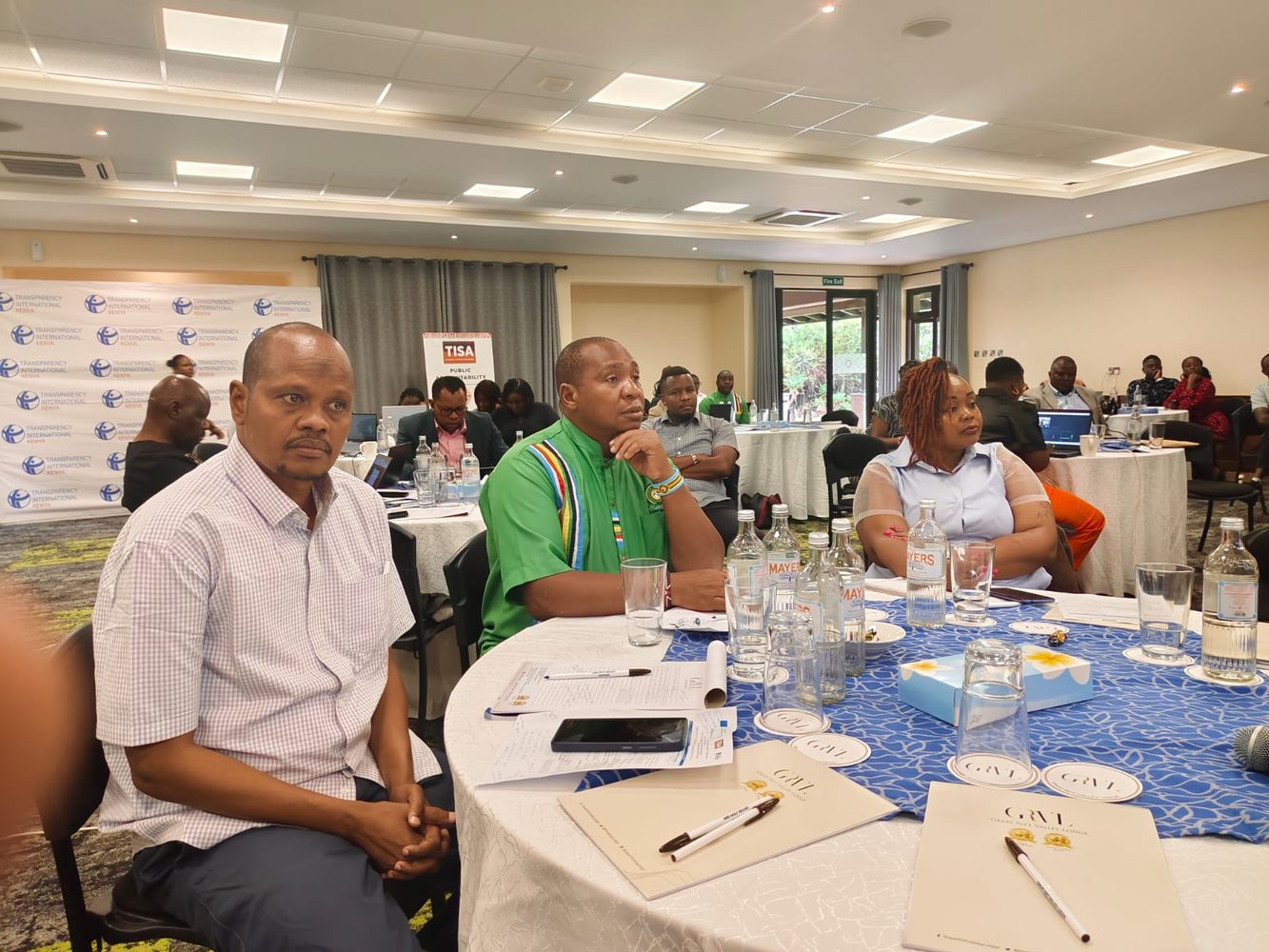
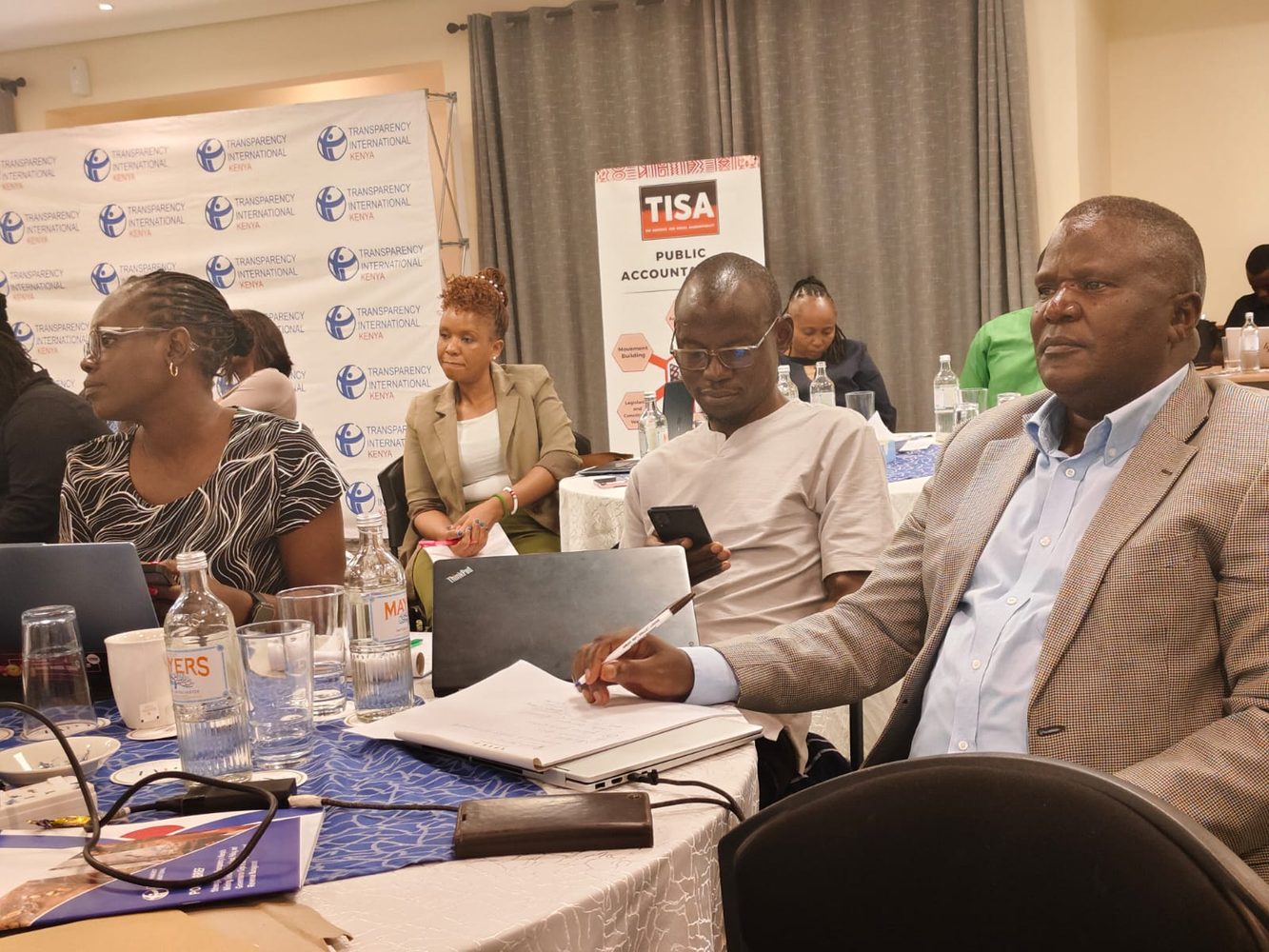
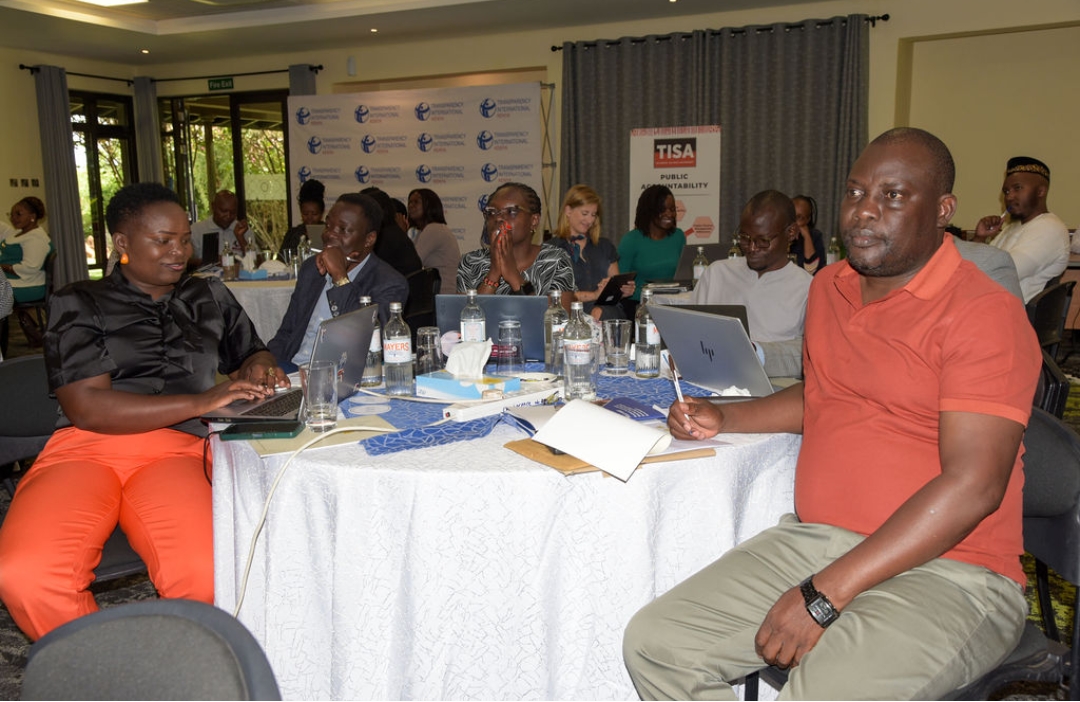
Speaking during a two-day multi-stakeholder round table in Naivasha, key governance advocates and lawmakers evaluated ongoing joint anti-corruption efforts while highlighting critical legal, institutional, and political bottlenecks.
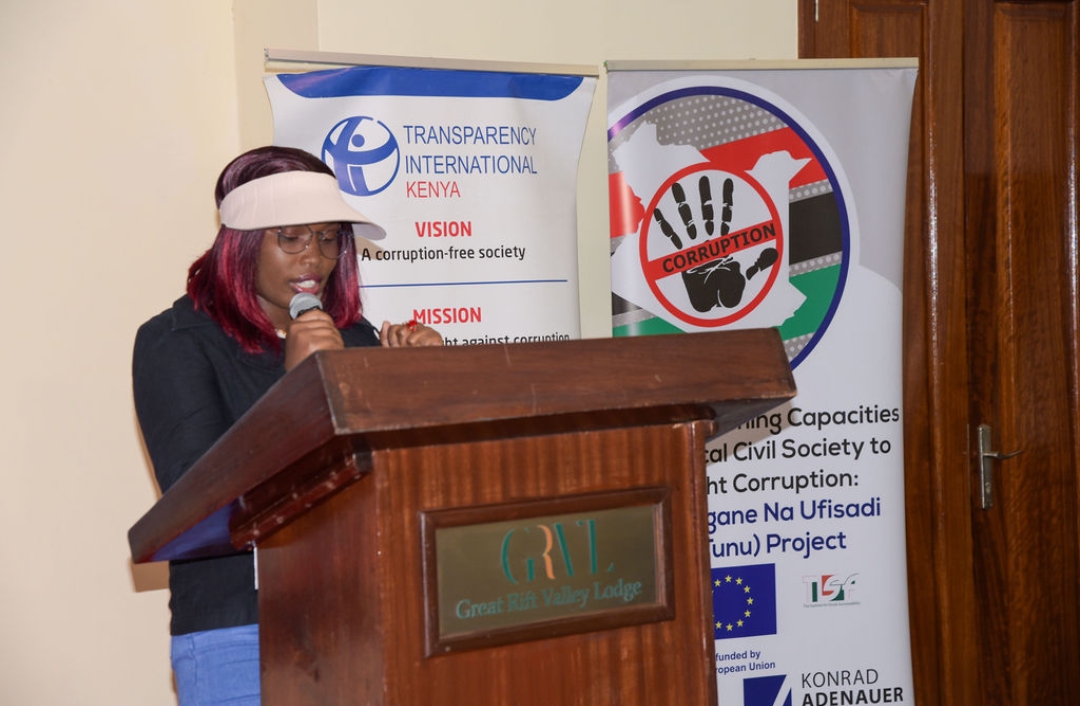
The forum co-hosted by Transparency International Kenya (TI-Kenya), the African Parliamentarians Network Against Corruption (APNAC), the County Assemblies Network Against Corruption (CANAC), and the Civil Society Parliamentary Engagement Network (CSPEN), with support from the Konrad-Adenauer-Stiftung (KAS) aimed to review legislative progress and establish actionable roadmaps for oversight.
Opening the conference,Caroline Unger, representing the Konrad-Adenauer-Stiftung, emphasized that democracy extends beyond elections and relies heavily on accountable public institutions.
”Corruption is not only a question of financial losses or the misuse of public resources; it is fundamentally a question of democracy, good governance, and public trust,” Unger stated. “When public resources do not reach the communities for which they are intended, trust in democratic governance suffers. Once lost, that trust is very difficult to rebuild.”
Unger highlighted Kenya’s devolved governance system as a vital arena for accountability, noting that county governments and assemblies play a pivotal role in ensuring responsible public resource management. However, she stressed that local oversight must connect directly with national policy to deliver tangible results for citizens.
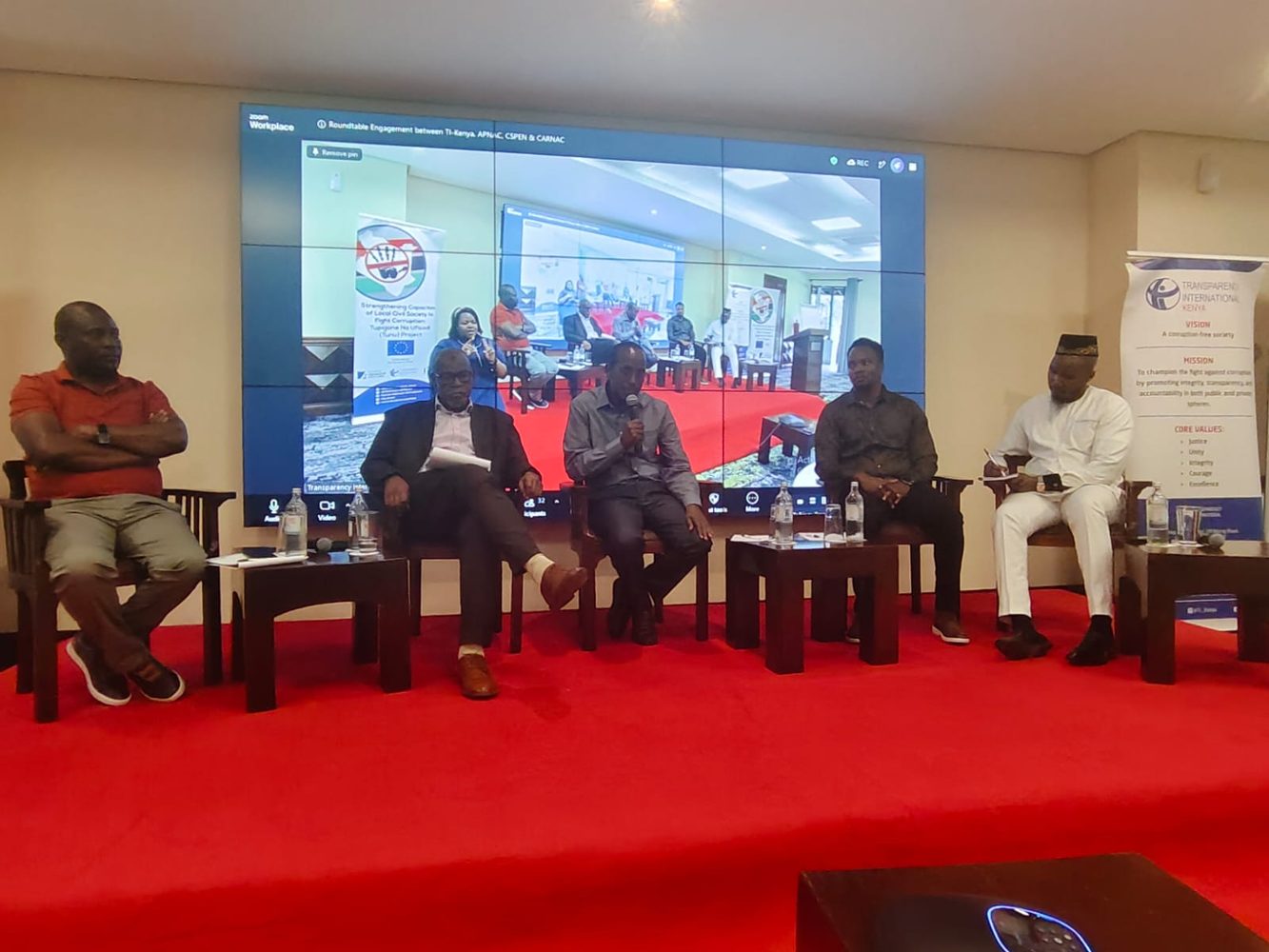
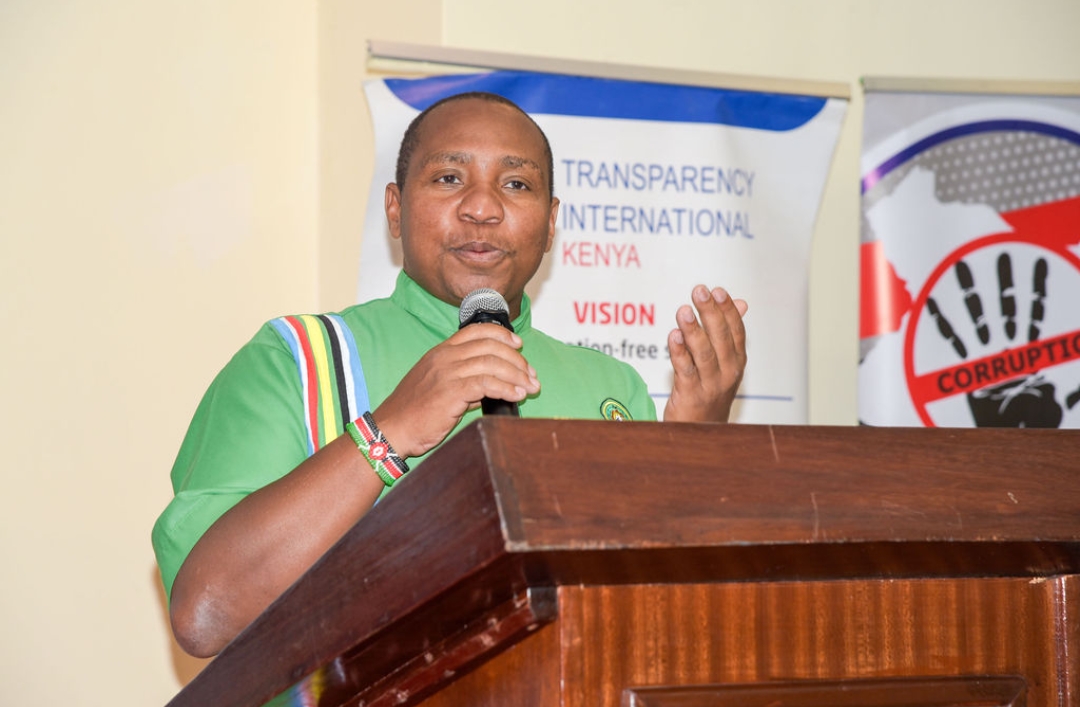
Representing APNAC and the East African Legislative Assembly (EALA), Hon. David Ole Sankok delivered a scathing critique of political leadership, arguing that true corruption in Kenya stems from elected officials rather than small-scale, lower-level bribery.
”Our leaders are not only corrupting money; they are also corrupting our time a resource that can never be recaptured,” Sankok said, pointing to elected leaders abandoning official duties for political rallies. “We pay them monthly salaries to be in the office from Monday to Friday, yet we see them on top of cars claiming to be ‘working on the ground.’ They earn without working.”
Sankok further criticized the inflation and duplication of local development project launches, describing instances where hundreds of millions of shillings are spent on transport, helicopters, and political gatherings merely to commission minor projects or perform symbolic gestures.
”When asked if Kenya can win the war against corruption with the current crop of leadership, the answer is no,” Sankok added. “Unless citizens step up and select new, principled leaders, we will continue to fail.”
Despite the challenges, forum representatives pointed to critical achievements resulting from joint advocacy between civil society and parliamentarians, presented by TI-Kenya Program Coordinator Philomena Mbaye and APNAC-Kenya’s Nyawira Jedida:
Defense of the Anti-Corruption Law: Strategic advocacy defeated proposed amendments to Article 64 of the Anti-Corruption and Economic Crimes Act (ACECA), preserving the mandatory 10-year ban from holding public office for individuals convicted of corruption offenses.
Enactment of Conflict of Interest Legislation: Advocates successfully pushed for the passage of the Conflict of Interest Bill in July 2025, though efforts remain ongoing to seal loopholes introduced during senate revisions.
Whistleblower Protection Innovation: In response to delayed national whistleblower protection legislation, APNAC launched the Shahidi App, a secure, anonymous digital platform designed to allow citizens to report corruption risks safely.
Devolved Legislative Milestones: Local county assemblies made notable gains, including Siaya County’s enactment of its Access to Information Act and Kakamega County’s institutionalization of the Conflict of Interest Act and project-tracking databases.
Addressing operational challenges within local assemblies, Majority Leader at the County Assembly of Kakamega, Hon. Philip Maina, representing CANAC, highlighted structural issues such as high political turnover following election cycles, budget constraints for public participation, and the politicization of Auditor General reports.
”Auditor General reports are conducted by professionals, yet their findings are frequently subjected to political voting rather than objective legal or financial action,” Maina noted, calling for amendments to the Public Finance Management (PFM) Act to allow direct referral of audit findings to investigative bodies like the EACC and DCI.
Participants at the conference concluded with a commitment to establish clear responsibility lines, enhance technical memory within assembly secretariats to mitigate election turnover, and push candidate qualification benchmarks in future legislative rounds.