
Universities and research institutions are establishing a presence at Konza Technopolis as Kenya advances plans to build an innovation hub linking higher education, digital infrastructure and scientific research.
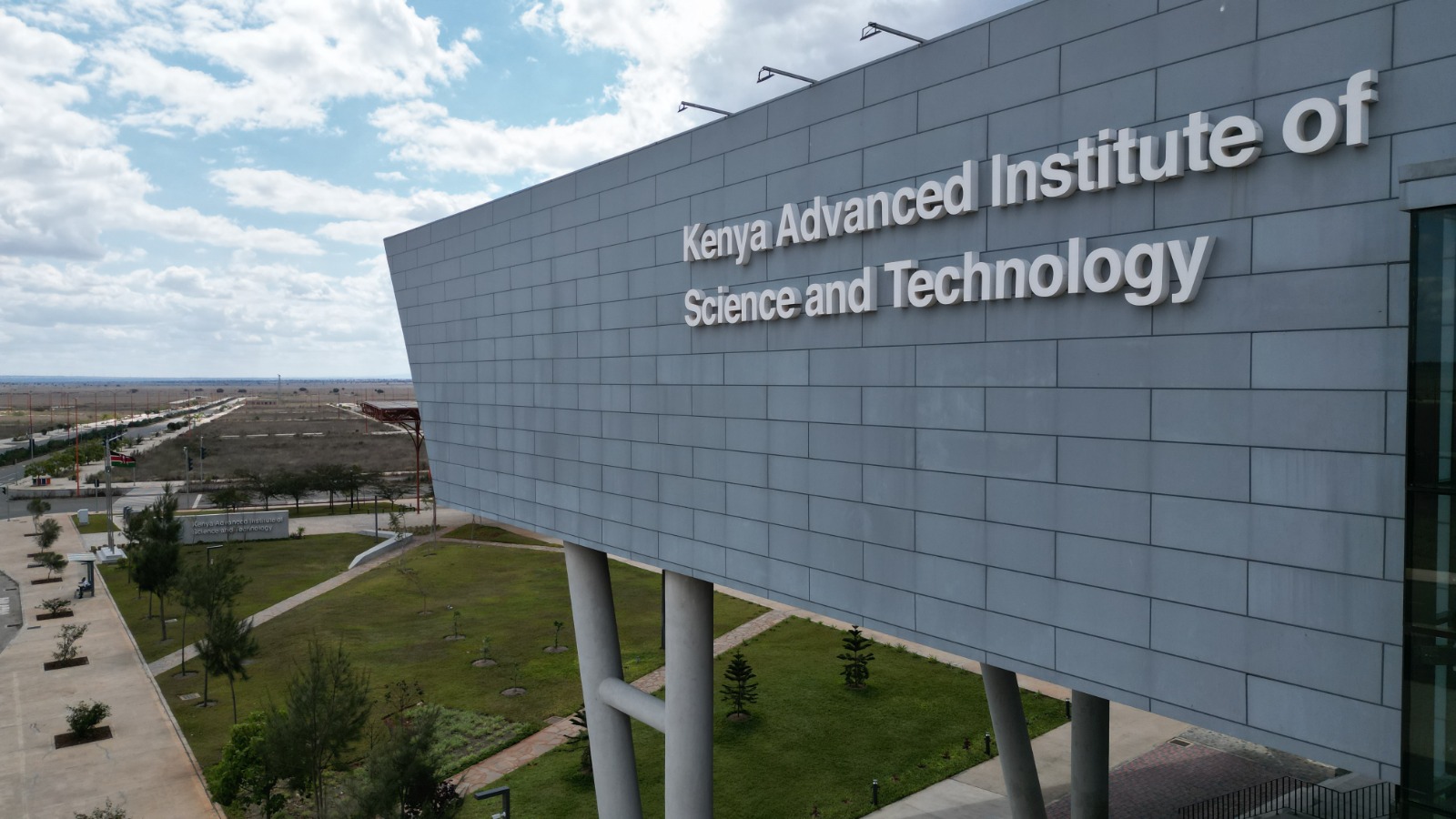
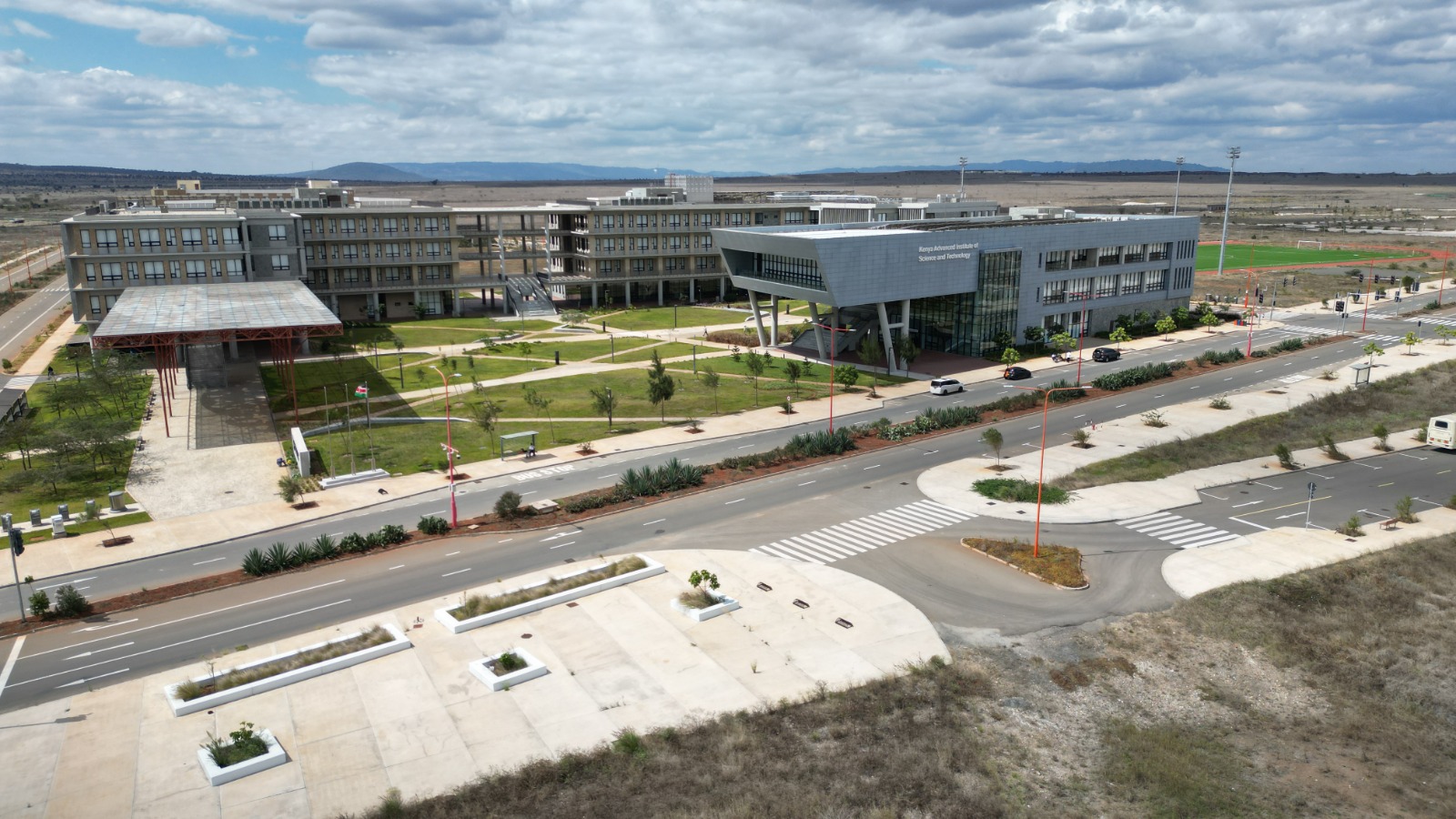
The Open University of Kenya, Kenya Advanced Institute of Science and Technology (Kenya-AIST) and Riara University are among the institutions setting up at the 5,000-acre development, where the government says infrastructure is ready to support further investment.
For the Open University of Kenya, Konza’s digital infrastructure is central to its operating model. Professor Christopher Chepken, the institution’s Deputy Vice-Chancellor in charge of Planning and Infrastructure, says its virtual learning model depends on reliable information and communications technology (ICT) systems.
“We are a purely virtual university. What that means is that we utilise ICT infrastructure on a daily basis,” he says.
Established in 2023, the university received its charter on 3 August that year and admitted its first cohort in January 2024. Chepken says it now has more than 33,000 students on its learning platforms.
Its model allows students to pursue higher education without leaving their jobs, while its fees are intended to widen access.
“We charge a third of what other universities do. For example, if you think of a Bachelor of Data Science, in a typical university you pay around probably 250,000 per year or 200 or even put it at 150, the lowest. But here you pay 79,000 per year,” he says.
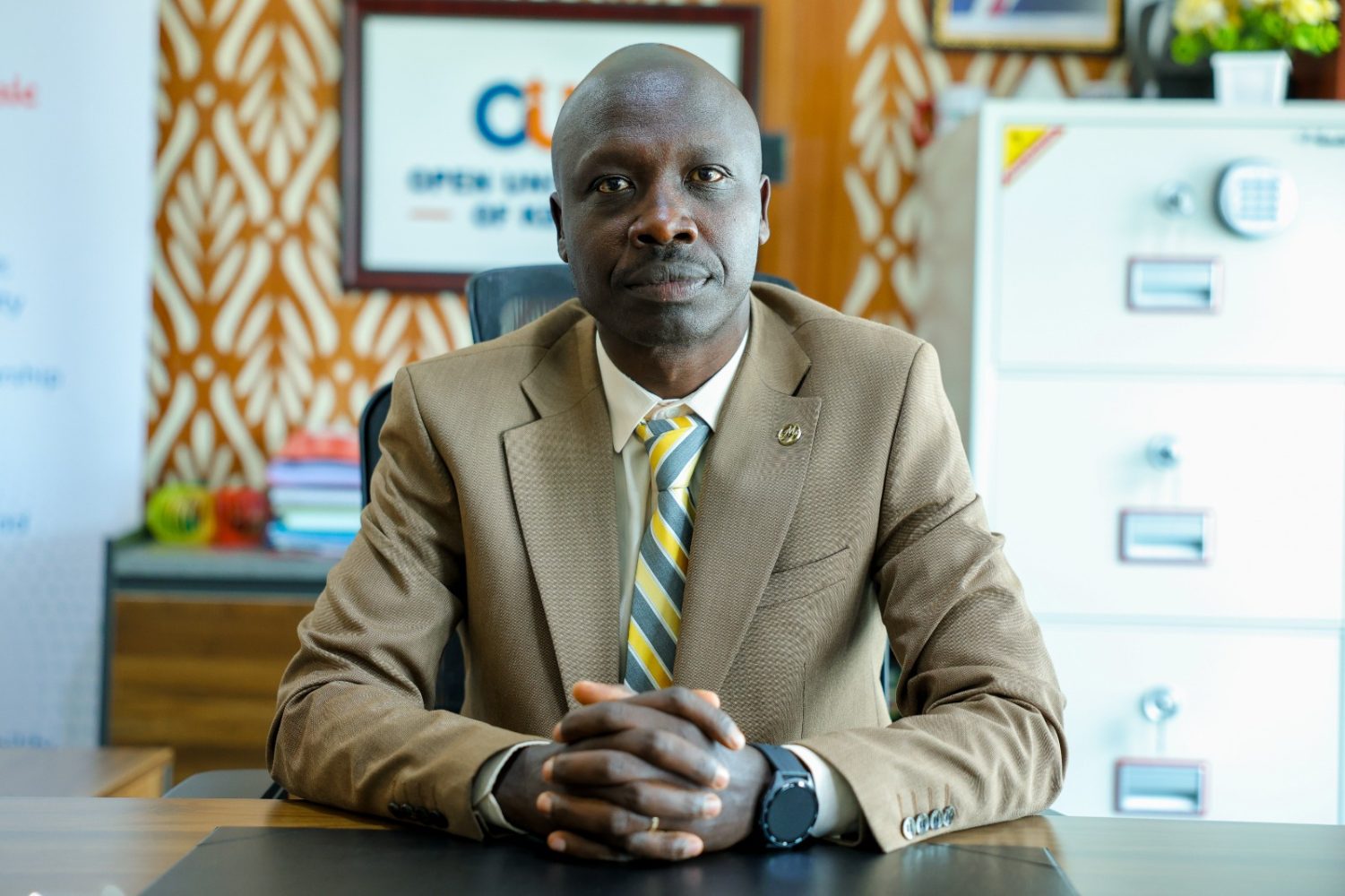
CAPTION: Professor Christopher Chepken, Deputy Vice-Chancellor of the Open University of Kenya, whose virtual learning model relies on Konza’s digital infrastructure.
Chepken says the university also recognises prior learning, allowing applicants’ experience and accumulated qualifications to support their progression into higher education.
“The target is to make sure that everybody gets access to education, whether you have money or not,” he says.
He says Konza provides the ICT infrastructure support required by the university’s technology-dependent model.
“You cannot have a white bed sheet in a dusty room. It will not add up. So we have to have this smart university in a smart city for various reasons,” he says.
Brian Chage Mwaura, a quantity surveyor at the Technopolis Development Authority, says Kenya-AIST will provide opportunities for advanced scientific training and research, with an international orientation shaped by collaboration with South Korea.
“Since it’s being spearheaded by the Ministry of Education in conjunction with the Korean team, we intend to now foster a lot of innovative thinking, not on a local scale but internationally as well,” he says.
He says the institution could enable students to pursue specialised studies locally rather than seek opportunities abroad.
“Rather than saying you want to find a scholarship to go outside Kenya, you can just get a scholarship and study within Kenya,” Mwaura says.
Riara University is also developing its campus in phases. Mwaura says the first phase is complete and the facility is operational. The African Centre for Technology Studies is establishing a centre of excellence at Konza.
John Paul Okwiri, Chief Executive Officer of the Technopolis Development Authority, says the Technopolis Act of 2026, assented to by President William Ruto in May, expanded the authority’s mandate in planning, developing and managing technopolises.
He says the government has delivered infrastructure to support investment, with the next phase focused on privately financed buildings and facilities.
“The technopolis is ready for a plug-and-play environment for investors to come and just set up and operate,” Okwiri says.
He says the ambition is to build an innovation hub capable of supporting investors and operating around the clock.
“We are building Africa’s Silicon Savannah, so it means that we have to operate 24-7 in order to facilitate our investors, in order to ensure that the development of the technopolis continues until when we’ll be able to reach full build-out.”
The next step, according to the CEO, is now to translate infrastructure and institutional investment into sustained research, innovation and economic activity.