
Konza Technopolis is positioning itself as a technology and industrial hub where universities, manufacturing, research and digital services converge, but its ambition to become a 24-hour city will depend on whether investment and infrastructure translate into sustained economic activity.
The development, located along the Nairobi–Mombasa corridor, is being built around smart-city infrastructure intended to support businesses, residents and technology-driven industries.
Josephine Ndambuki, Chief Manager for Business Development and Innovation at Konza Technopolis, said the project was conceived as a national development initiative aimed at creating jobs and expanding opportunities in science, technology and innovation.
“Konza ilitengenezwa ndio watu wapate jobs, wafanye science, wafanye innovation,” she said, describing the city as a platform for young people, content creators, entrepreneurs and researchers to develop ideas into viable businesses.
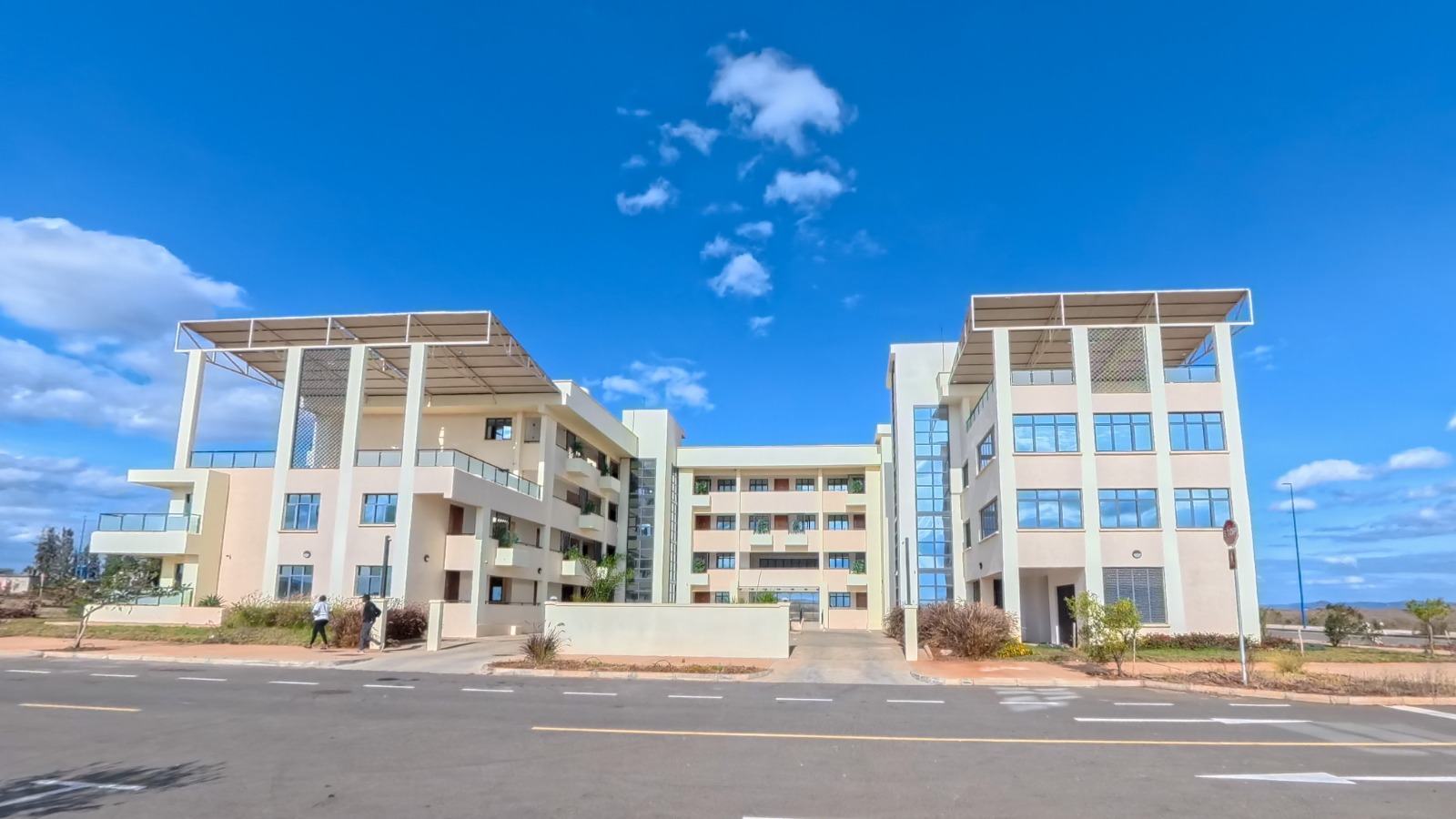
The development already has furnished apartments occupied by tenants, three universities, research organisations and industrial facilities, according to Ndambuki. Its infrastructure includes more than 40 kilometres of roads, water treatment and reclamation facilities, and an automated solid-waste collection system.
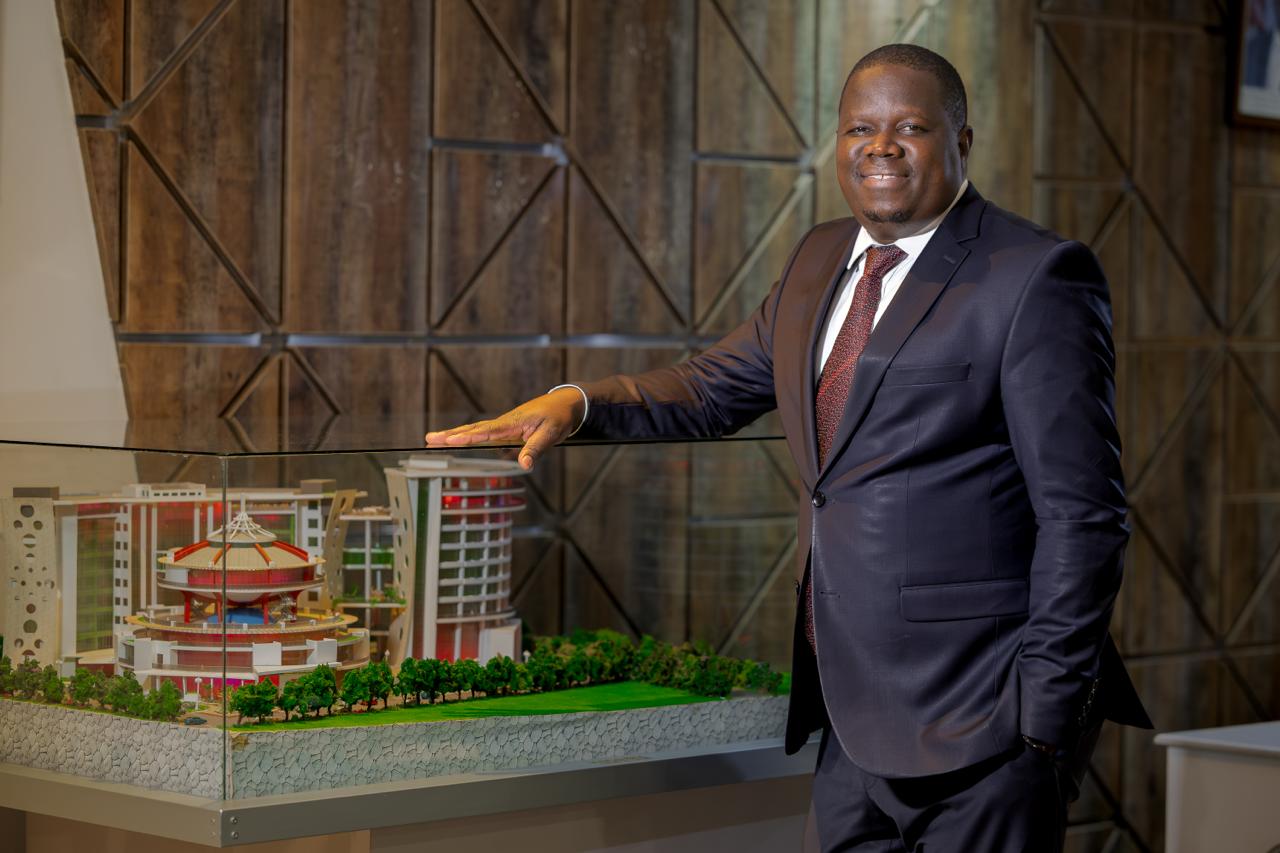
Brian Mwaura, a quantity surveyor at the Technopolis Development Authority, said the waste system uses underground pipes and pneumatic suction to transport refuse from collection points to a central facility. Sensors and a supervisory control system identify full bins, while waste is separated into organic, plastic, paper and mixed categories before collection.
The city’s smart poles combine street lighting with CCTV cameras, Wi-Fi routers and emergency call buttons. Security monitoring is centralised at the Intelligence Command Centre, while utilities, including electricity, internet and water connections, run underground.
Mwaura said the infrastructure was designed to simplify connections for investors developing buildings and other facilities. The authority is leasing land to investors willing to establish vertical developments, including commercial premises.
One industrial tenant, Chinese textile manufacturer Lucky DJX, has begun production, according to Mwaura, who said the company employs about 5,000 people from the surrounding community. The figure illustrates the employment potential of industrial investment, although the interview did not establish the number of jobs created across Konza as a whole.
Beyond manufacturing, the development is seeking to support digital skills and innovation. Ndambuki said the Jitume programme had established more than 330 digital hubs nationally, providing spaces where Kenyans can access training and opportunities for digital work.
The authority is also promoting a drone corridor for commercial and research applications, including wildlife monitoring, alongside the Timbuktoo innovation hub, which brings people together to develop solutions to societal challenges.
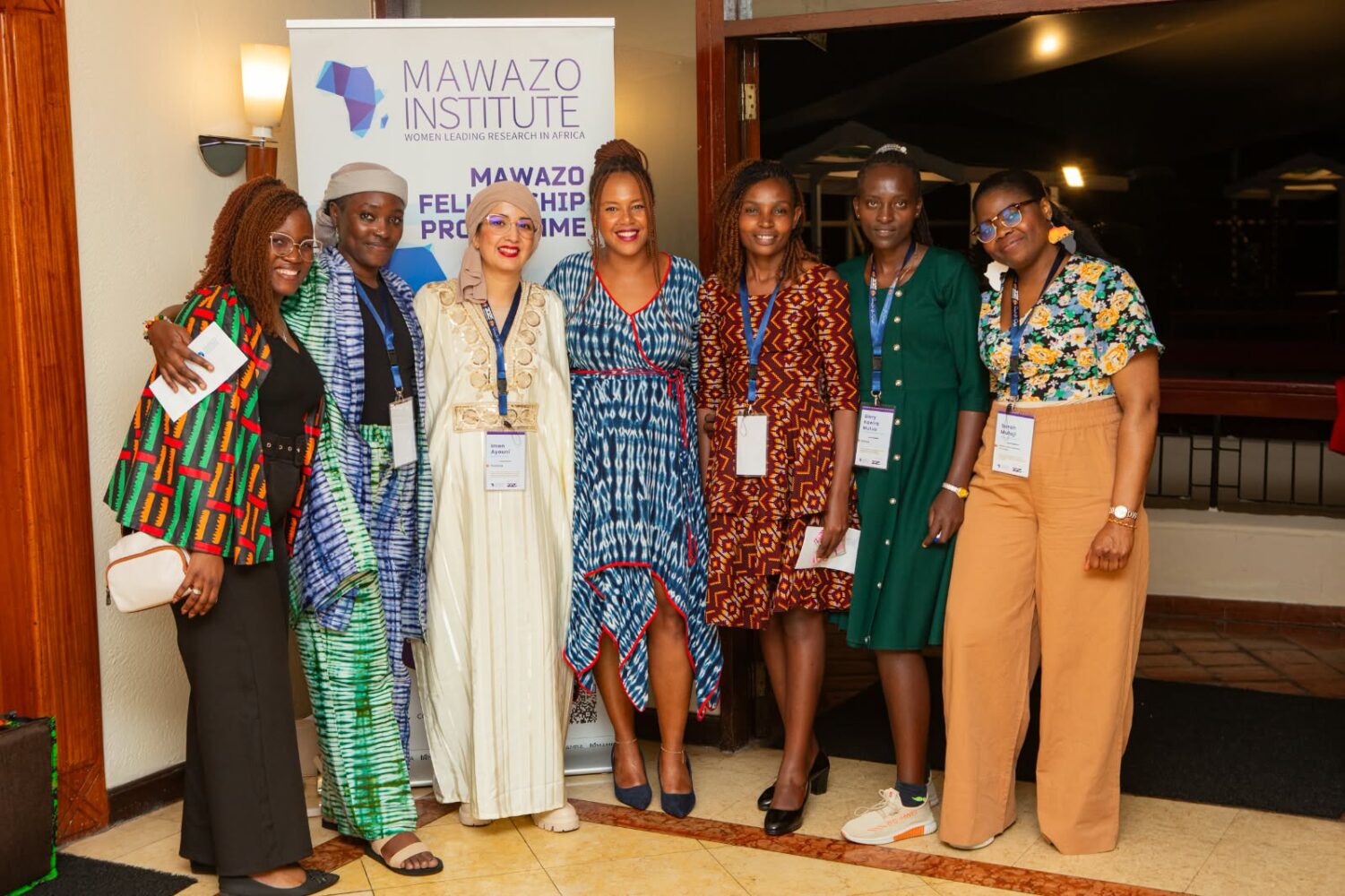
Ndambuki said the Silicon Savannah Women programme targets women in science, technology, engineering and mathematics, including researchers and engineers. She added that Konza was working with EdSource and Microsoft on an initiative intended to train 10,000 women in artificial intelligence.
The ambition extends beyond technology firms. With the Open University of Kenya operating online and other universities establishing a presence, Konza is also seeking to attract students, researchers and workers who could support a growing urban population.
However, the infrastructure and institutions described by the two officials represent only part of the requirements for a functioning 24-hour economy. Sustained activity will also depend on businesses establishing operations, employment opportunities expanding and people choosing to live and work in the city.
Ndambuki urged Kenyan entrepreneurs and investors to consider Konza rather than leaving investment opportunities to international companies.
“We want this city to be built by Kenyans,” she said, adding that the development would require collaboration between local businesses, international partners and the surrounding community.
For Konza, the next test is whether its planned smart-city systems and emerging industrial base can support a durable ecosystem of jobs, enterprise and daily urban life beyond the construction phase.