The National Assembly’s Departmental Committee on Trade, Industry and Cooperatives has opened investigations into the importation of thousands of tonnes of raw sugar considered unsuitable for direct human consumption.
This move comes amid mounting public anxiety that the consignment could slip into the local market without undergoing proper refining.
The inquiry was triggered by reports that a shipment of imported raw sugar, currently being processed in Kisumu, might pose health risks if strict safeguards are not observed.
Committee officials have reassured Kenyans that the sugar will not be released into the market until it has gone through the required industrial refining process.
During an inspection tour at Kibos Sugar Company in Kisumu on Monday, June 15, Committee Chairperson and Ikolomani MP Bernard Masaka Shinali emphasized that lawmakers were tracing the sugar’s journey from the Port of Mombasa to Kisumu to verify compliance with legal, health, and safety standards.
“We are following every step of this consignment to ensure that no shortcuts were taken and that Kenyans are protected,” Shinali stated.
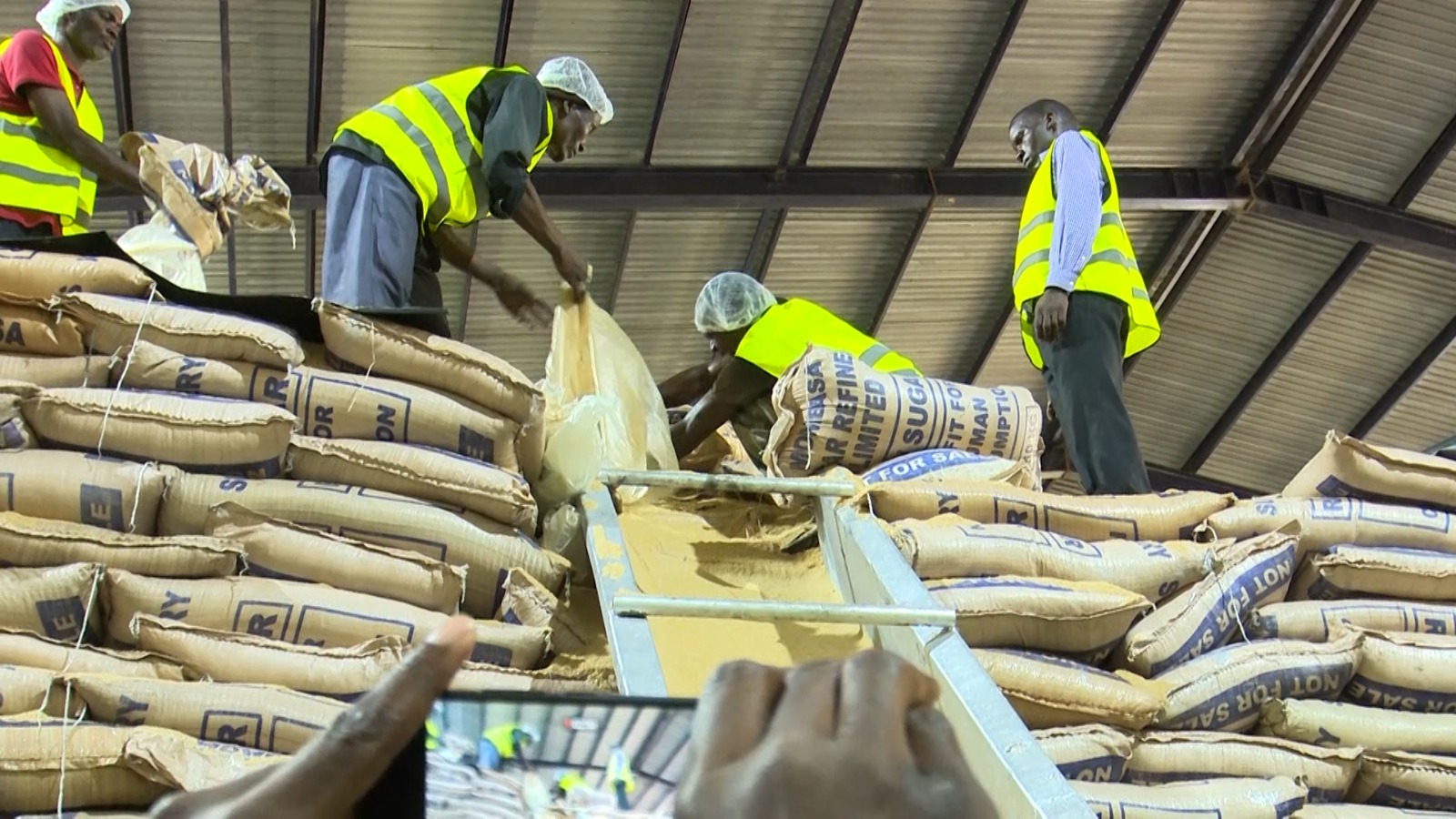
The probe began in Mombasa, where committee members visited Kilindini Port after reports surfaced about the controversial shipment. Investigators later tracked part of the consignment to the Autoport Inland Container Depot (ICD) in Nairobi, confirming that some of the sugar had been transported by rail before being moved to Kisumu.
Documents presented to the committee revealed that approximately 27,000 metric tonnes of raw sugar were imported. Of this, about 3,900 tonnes were delivered to Kisumu, while another 2,500 tonnes remain stored at the ICD in Nairobi. Lawmakers inspected warehouse facilities and observed ongoing processing activities at the Kisumu plant, noting that the sugar had not yet been cleared for market release.
The committee has demanded comprehensive documentation on the importation, including customs clearance records, health certificates, compliance documents, tax records, and permits from relevant government agencies. Shinali reiterated that the sugar under scrutiny is not fit for direct consumption and can only be used after industrial refining.
Public concern has grown amid allegations that some of the imported sugar may already have entered the market. While lawmakers have not found evidence to support these claims, they acknowledged the fears and pledged to continue investigations.
“We understand the anxiety among Kenyans, and that is why we are leaving no stone unturned in this matter,” Shinali added.
The committee’s actions highlight the government’s commitment to safeguarding consumer health and ensuring transparency in the importation of sensitive commodities. As investigations continue, Kenyans await clarity on whether the controversial consignment will be fully accounted for and safely processed