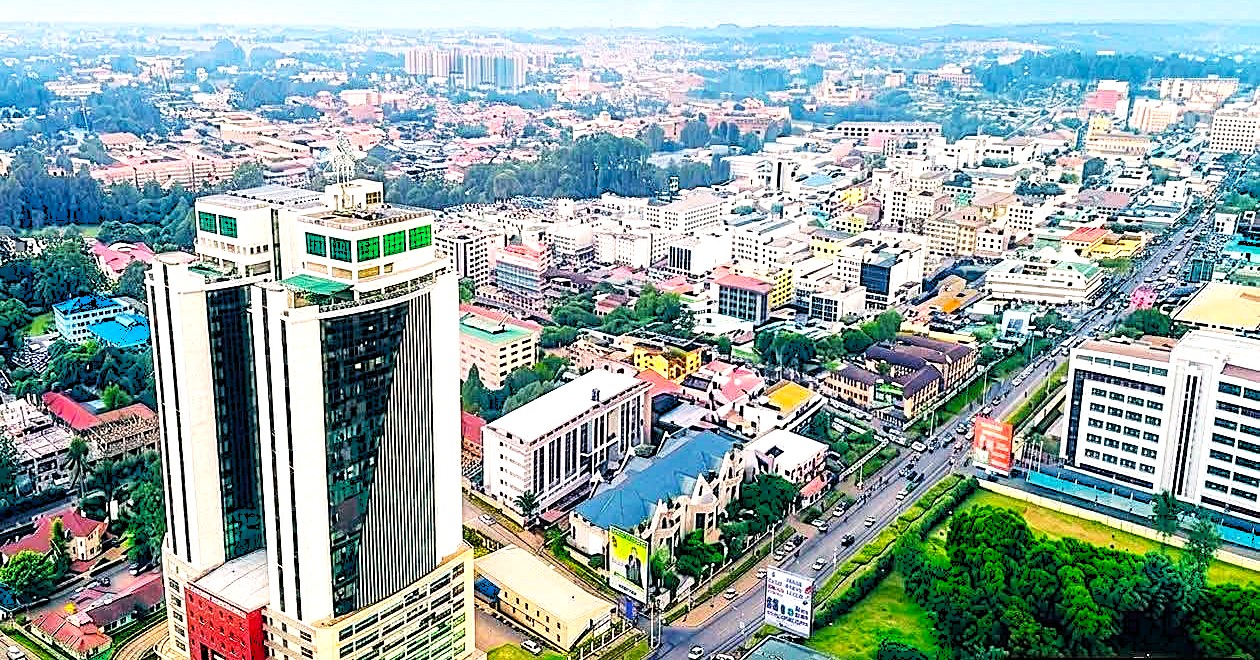

Nairobi City County has intensified its waste management operations, increasing daily garbage collection from about 1,000 tonnes to over 4,000 tonnes as part of an ambitious citywide clean-up campaign aimed at restoring cleanliness across the capital.
The County, working in partnership with private sector players including Zoomlion, has expanded its fleet to more than 100 garbage collection trucks operating day and night.
The enhanced capacity has enabled the clearance of dozens of illegal dumping sites and long-standing waste accumulation points across Nairobi’s 17 sub-counties.
Governor Sakaja Johnson says the county’s status as Kenya’s capital and economic hub, with a daytime population approaching seven million people, requires a robust and coordinated waste collection system.
“Since the commencement of the citywide clean-up campaign in April 2026, we have successfully cleared more than 40 major waste collection points and illegal dumping sites across various sub-counties,” Sakaja said.
County Executive Committee Member for Green Nairobi Maureen Njeri says the operations have led to a dramatic increase in waste collection volumes.
“During peak operations, we can collect up to 6,000 tonnes of waste daily compared to the 1,000 tonnes previously collected. This coordinated waste collection programme will continue as we work towards a cleaner and healthier city,” She said.
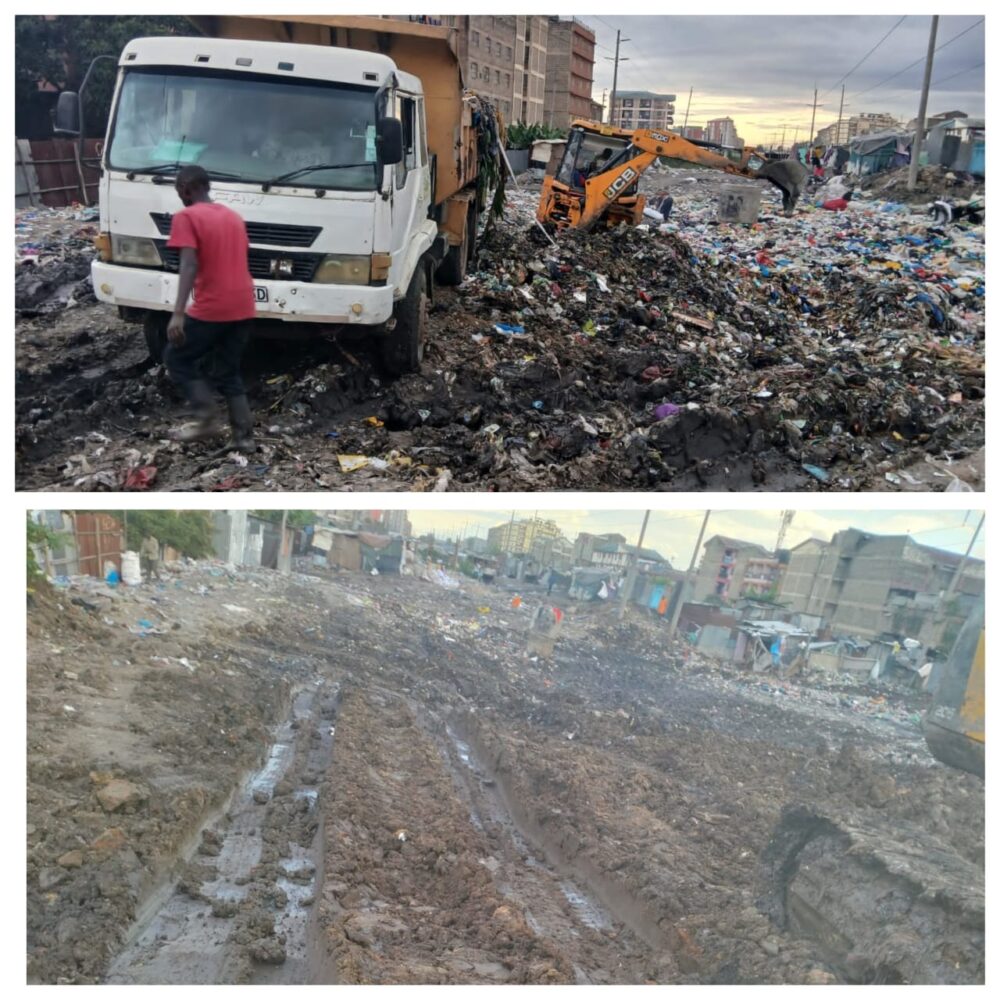
The clean-up campaign has transformed several areas previously overwhelmed by garbage.
Major Waste Clearance Operations Undertaken include
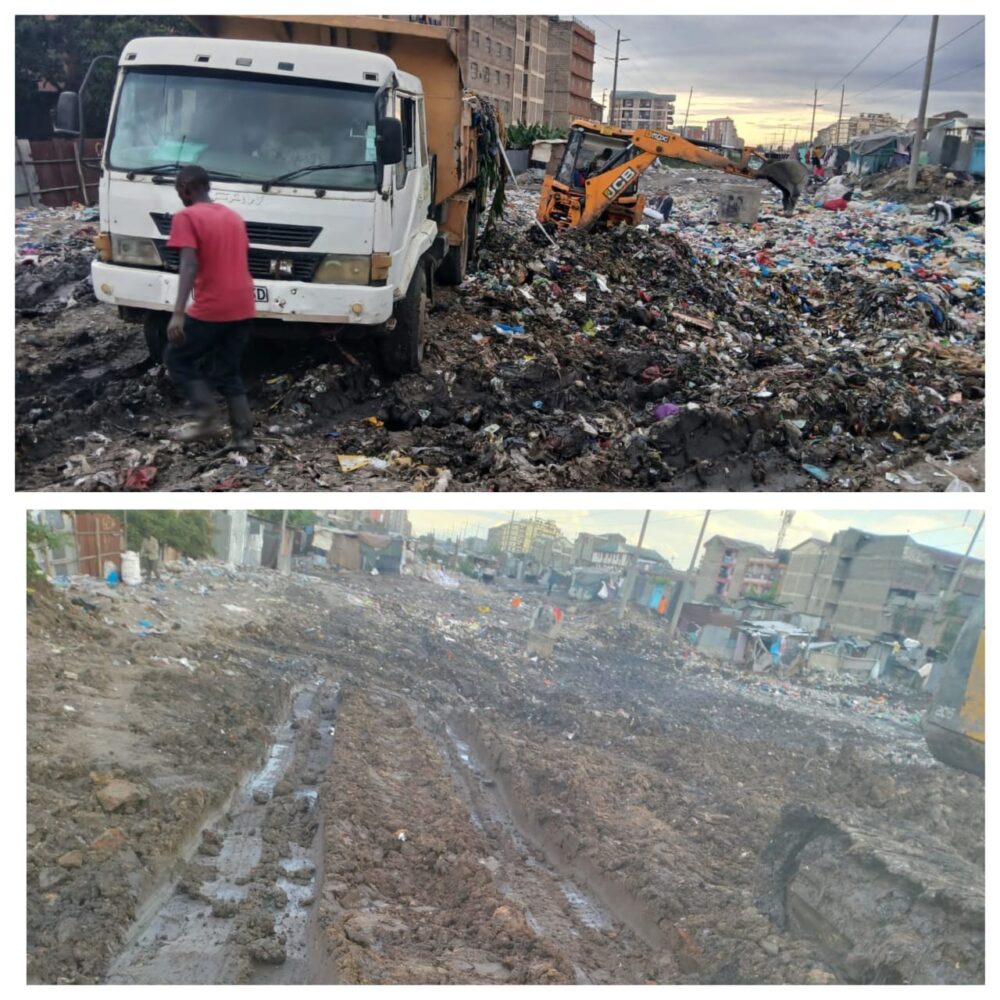
Embakasi West Sub-County
Several major waste accumulation sites were successfully cleared, including:
a) G7 Mowlem – 29 truckloads removed
b) Powerline (Umoja) – 44 truckloads removed
c) KCC Mowlem – 17 truckloads removed
Kasarani Sub-County
Kasarani has witnessed some of the largest clean-up operations undertaken in the city:
a) St. Francis Collection Point – 257 truckloads cleared on 17 April 2026
b) Gituamba Collection Point – 83 truckloads cleared on 18 April 2026
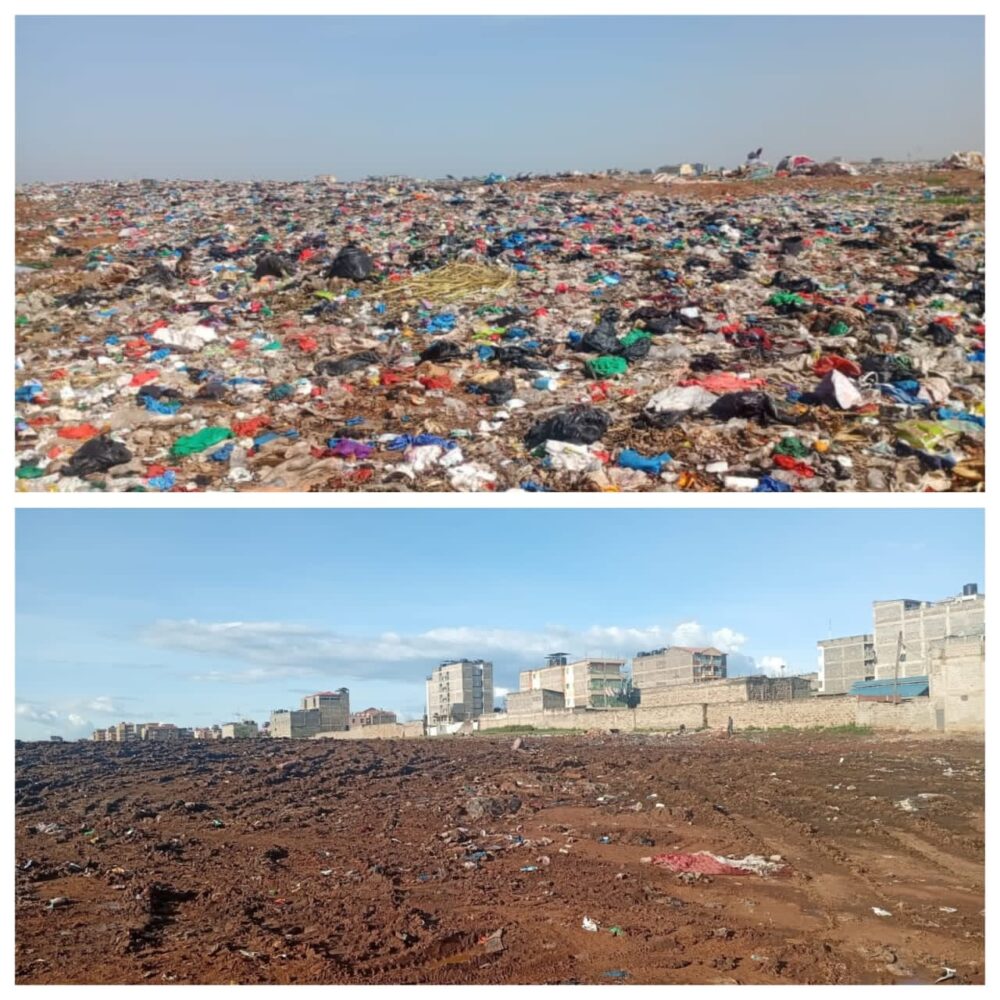
c) Mawe Mbili Collection Point – 49 truckloads cleared on 12 April 2026
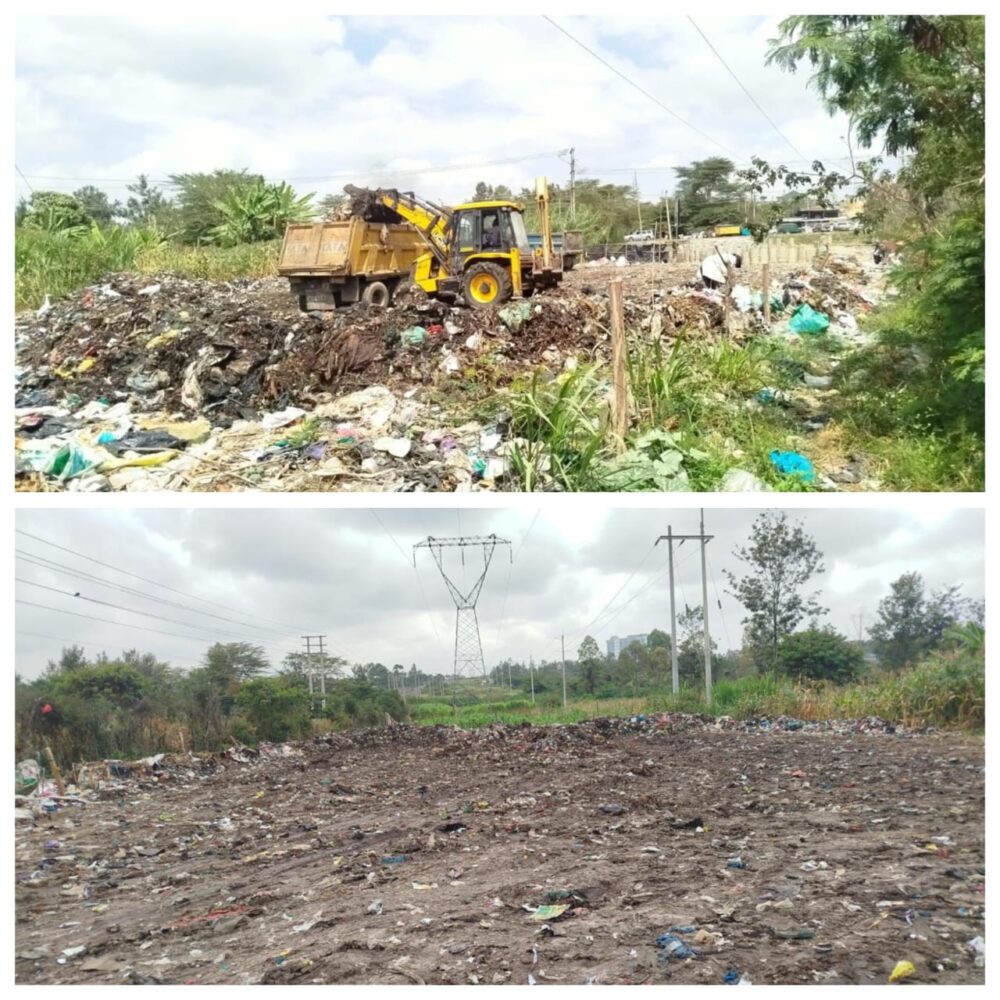
d) Kamulu 26 Collection Point – 290 truckloads cleared on 10 April 2026
A total of 679 truckloads of waste were removed from these four sites alone.
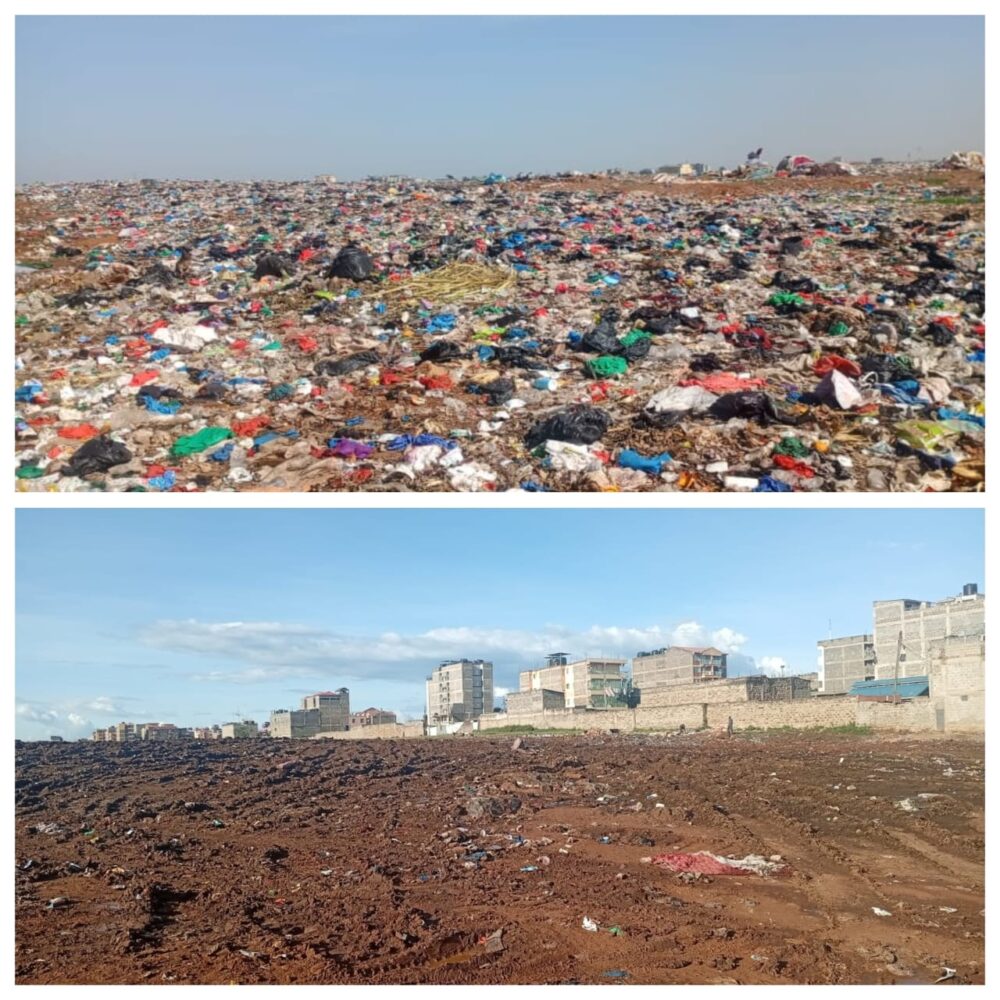
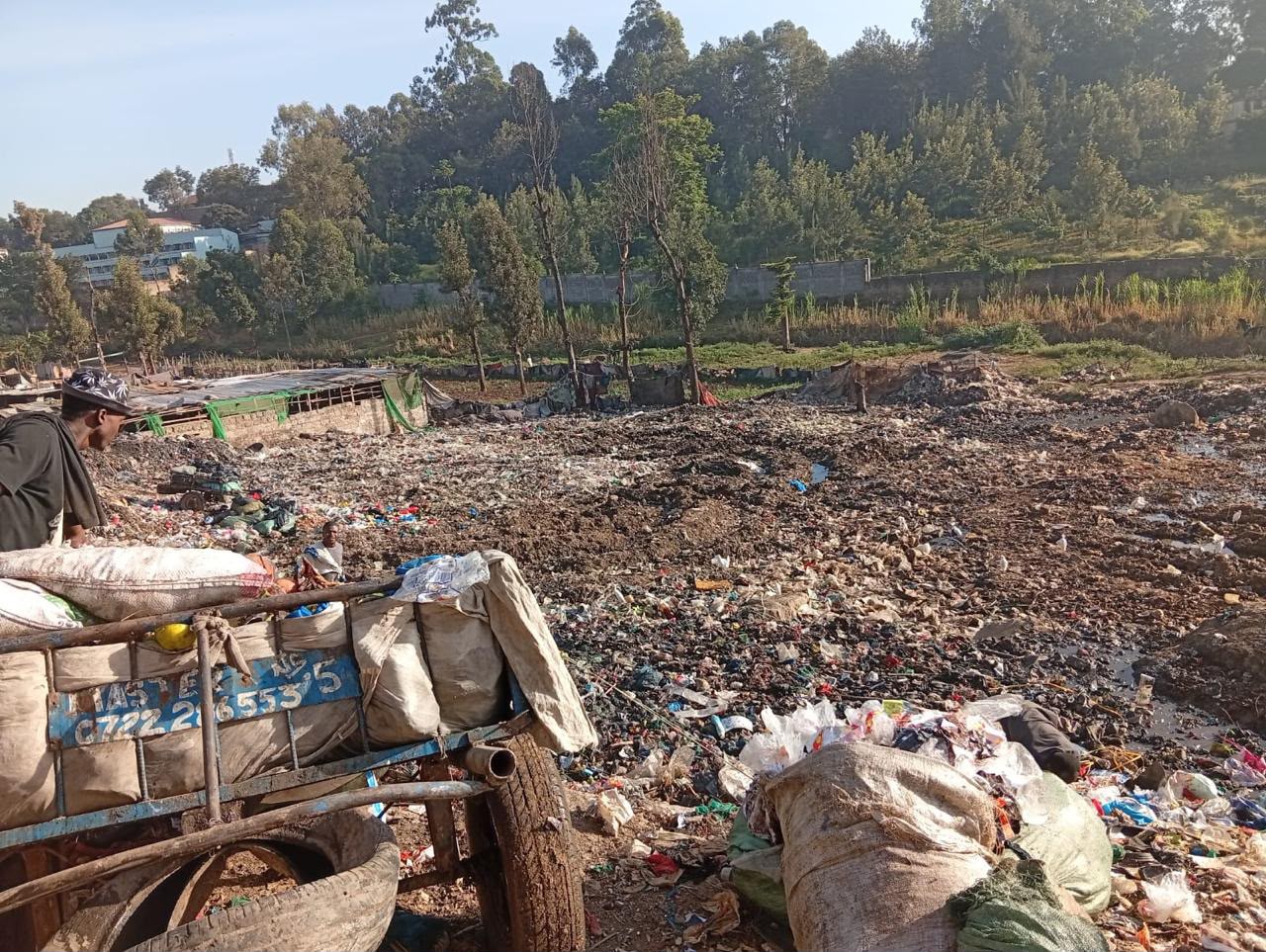
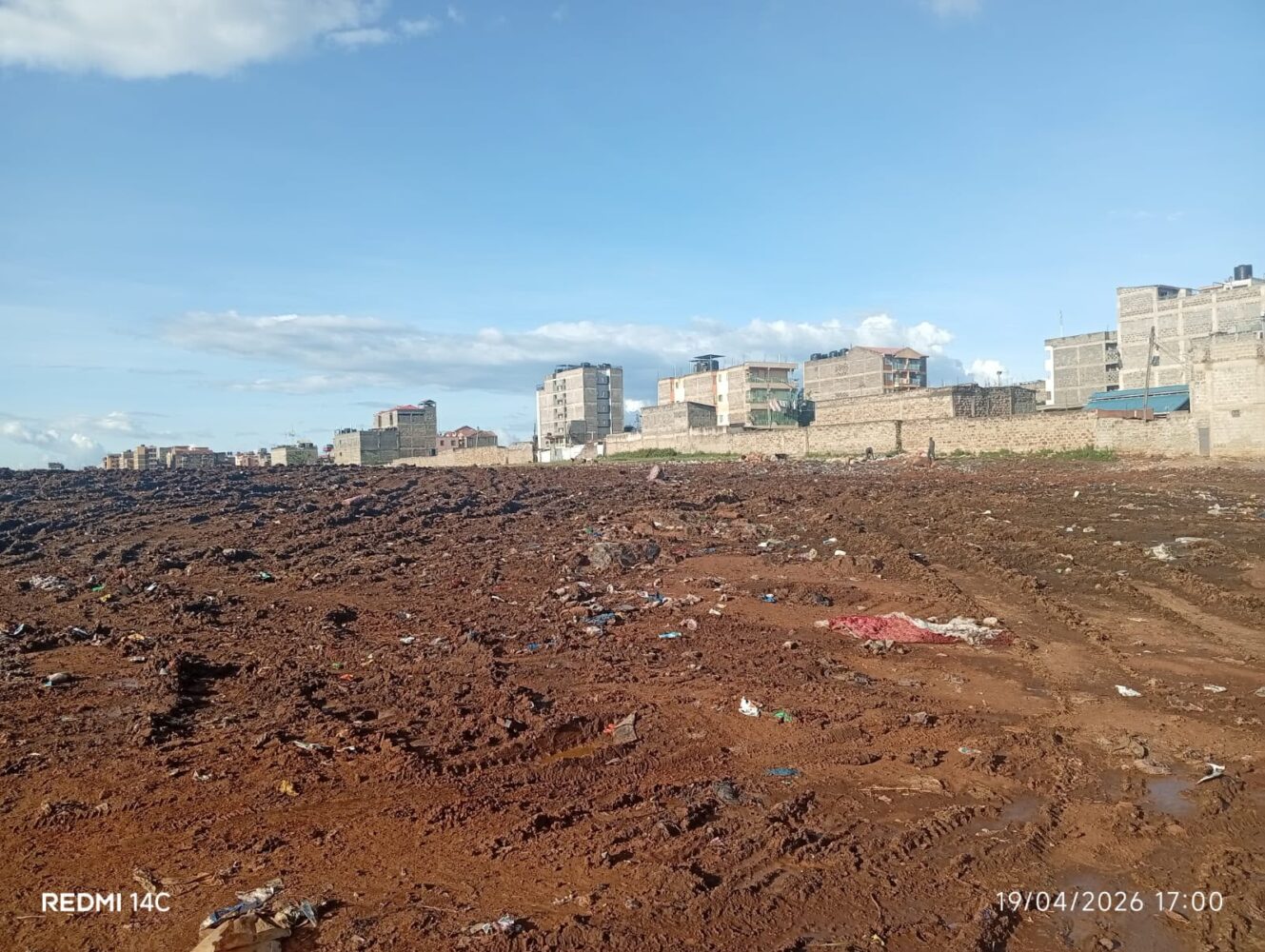
Before and After…
Mathare Area
The County Government has successfully cleared waste accumulation points at Mau Mau and Huruma Flats, with regular maintenance programmes now in place to prevent re-accumulation.
Dagoretti North Sub-County
The waste collection site along Gitanga Road has been cleared on several occasions and is currently under continuous maintenance to ensure sustained cleanliness.
Kibra Sub-County
Six major collection points have been cleared and are now receiving routine waste collection services:
They include; Othaya Market, Kianda 42, Car Wash Area, Toi Market, Fort Jesus, and Kamukunji Grounds.
Kamukunji Sub-County
Major clean-up operations have been undertaken along; Moyale Road, and Kinyango Slums.
Ruaraka Sub-County
Significant waste removal operations have been completed at: Mathare North Area 3, Mathare Area 1, Ngomongo, and Korogocho Market.
Dagoretti South Sub-County
The Waithaka waste collection site was successfully cleared through the removal of over 300 truckloads of waste, transforming the area and reducing environmental and public health risks.
Embakasi East Sub-County
Large-scale waste clearance operations were undertaken at:
a) Kianda, Mihango – A total of approximately 1,170 truckloads of waste were removed from these areas.
Embakasi South Sub-County
Extensive clean-up operations have been carried out at:
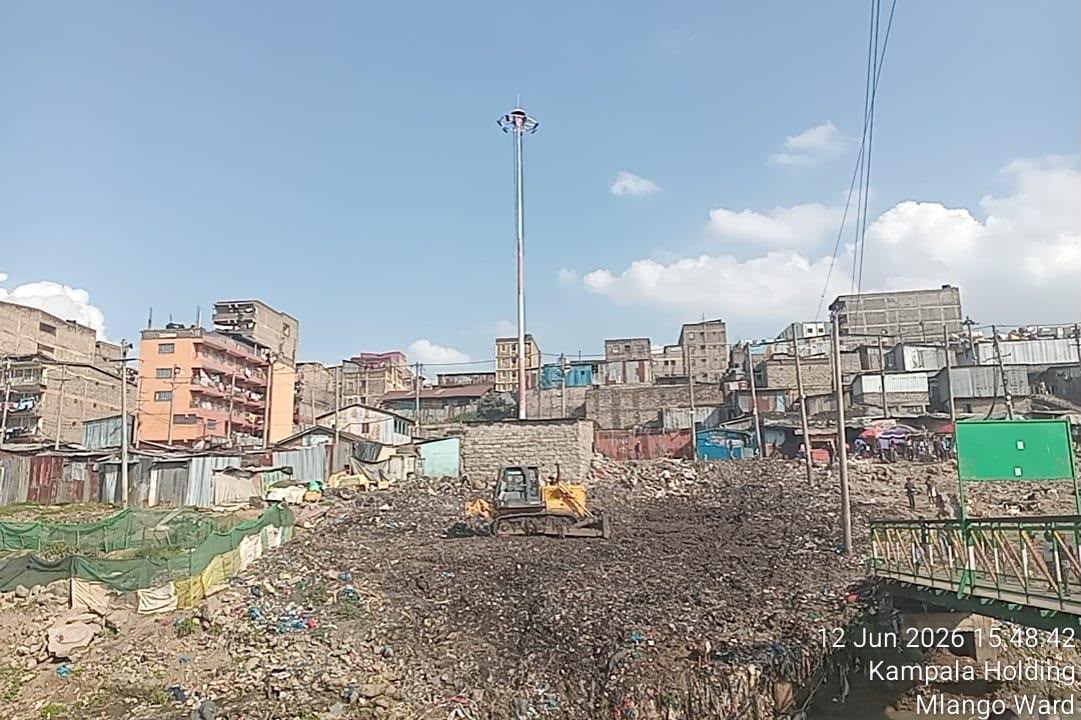
a) Kware Bridge – 1,011 truckloads removed
b) Embakasi Girls Collection Point – over 50no truckloads cleared
c) Zone 48, Mukuru – These sites had accumulated significant quantities of waste which have since been removed.
Starehe Sub-County
The County Government continues to closely monitor and regularly service the city’s major markets, including: Muthurwa Market and Wakulima Market.
The sites are progressively cleared whenever significant waste accumulations occur to maintain sanitary conditions for traders and residents.
The project complements recent reforms that include the recruitment of 4,000 Green Army workers on permanent and pensionable terms.
As part of the established integrated solid waste management system for the city of Nairobi, a material recovery processing facility and 4 tonne waste transfer envisioned to be set up inorder to ensure solid waste is sustainably managed through circular economy approaches.
The Nairobi City County Government remains committed to delivering a clean, healthy, and environmentally sustainable city for all residents.
The ongoing operations form part of a broader strategy to modernize solid waste management systems, improve collection efficiency, eliminate illegal dumping, enhance environmental conservation, and support the city’s transformation agenda.
Residents are encouraged to support these efforts by utilizing designated waste collection points, avoiding illegal dumping, segregating waste at source where possible, and working collaboratively with the County Government to maintain clean neighbourhoods.
The County Government further assures residents that the intensified clean-up programme will continue across all seventeen sub-counties, with sustained maintenance operations being undertaken to ensure that cleared sites do not revert to their previous state.
Together, we can build a cleaner, healthier, greener and more livable Nairobi for current and future generations. Service providers operating across the waste management value chain will soon benefit from a coordinated system of collection, transportation, and disposal, paving the way for a more efficient, sustainable, and environmentally responsible waste management model for the city.