Kiharu MP Ndindi Nyoro has renewed his opposition to plans for a proposed Ebola quarantine facility in Nanyuki, urging the government to heed public concerns and abandon the project.
Speaking during the Kiharu Masomo Bora Students Career Fair 2026 at Mugoiri Mixed Day Secondary School on Thursday, June 4, Nyoro claimed that Kenyans from different parts of the country had voiced their opposition to the proposal and called on the government to prioritize citizens’ views.
“Tumesema from here Kiharu to Nanyuki, to Kisumu, to Pwani, to North Eastern, to Nairobi, all Kenyans are telling the government in one voice: we as Kenyans do not want the Ebola facility in Kenya,” he said.
The legislator referenced Health Cabinet Secretary Aden Duale’s recent appearance before Parliament, where he said he challenged the government over the matter.
“Jana Waziri wa Afya alikuja Bunge na nikasimama nikamwambia, I have gone to many parts of this country and I am yet to meet one Kenyan ambaye anaunga mkono serikali kwa hii mambo ya kuleta Ebola Kenya na hiyo facility kule Nanyuki,” Nyoro said.
He argued that government decisions should reflect the wishes of Kenyans, insisting that the proposed facility lacks public backing.
“You are not leading Americans, you are not leading any other people other than the people of Kenya who have told you it is a no for an Ebola facility in Kenya,” he added.
Nyoro further questioned the rationale behind the project, saying leaders should listen to citizens when making decisions that affect the country.
“Kama tunatumia akili ya kujali Wakenya, ni vizuri tusikize Wakenya. Na tukisikiza Wakenya, tunasema kwa kauli moja, Waziri na serikali yote, Wakenya Kenya mzima wamekataa hiyo mambo ya kuletetewa facility ya Ebola hapa Kenya,” he said.
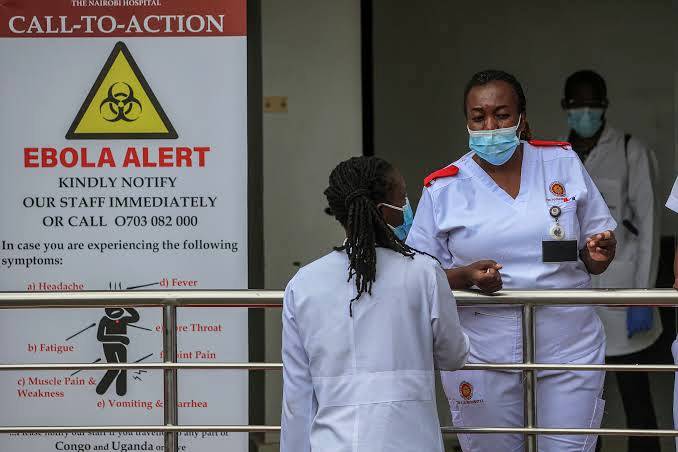
The remarks come amid ongoing debate over a proposed isolation facility linked to a Kenya-US health partnership. The facility is intended to handle individuals exposed to the Ebola virus and has drawn criticism from some leaders and residents, particularly in Nanyuki, who argue that there was insufficient public consultation before the project was announced.
The proposal has also attracted legal challenges, with a court order temporarily halting its implementation as questions continue to be raised over its legality and potential impact.
Despite assurances from government officials and international partners that the facility would strengthen disease preparedness and pose no risk to surrounding communities, opposition to the plan has persisted, with critics calling for greater transparency and public participation in the decision-making process.