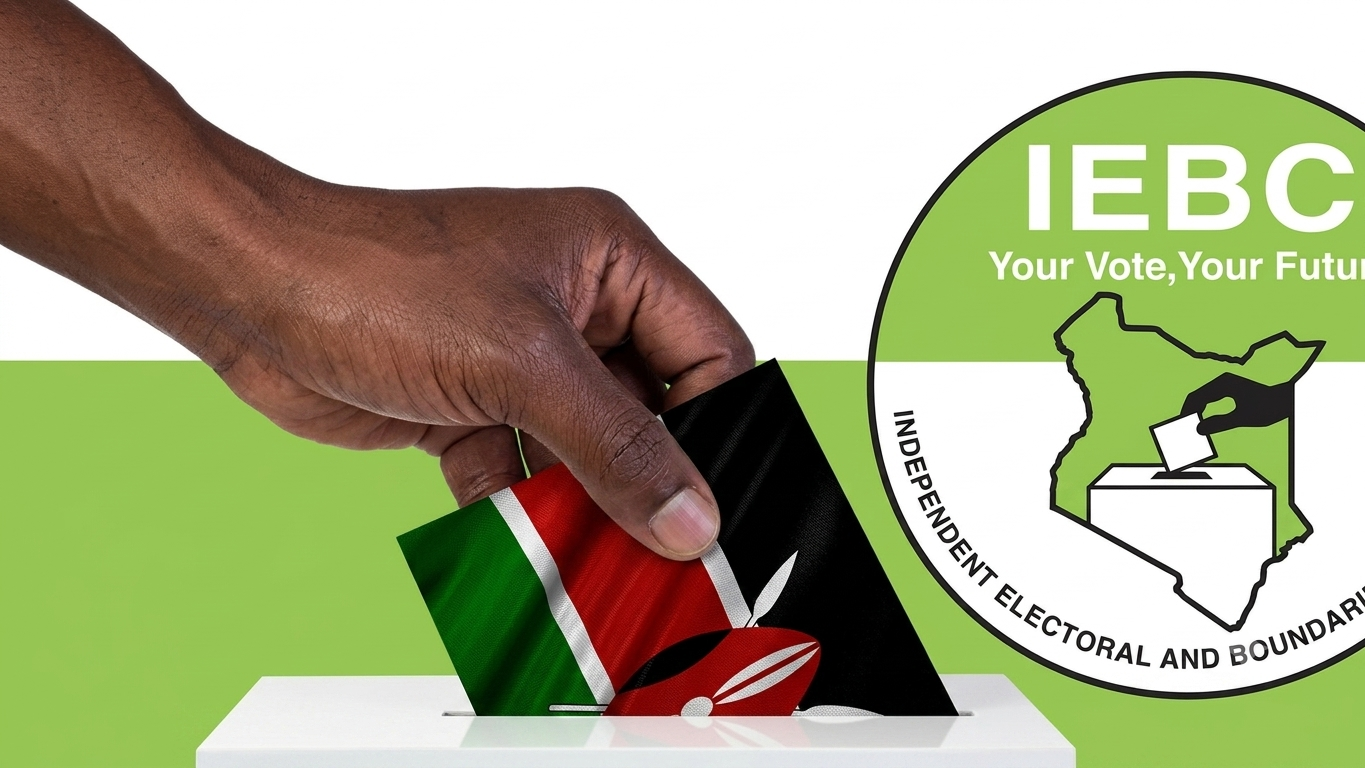
Today marks exactly 365 days until Kenyans return to the polls on August 10, 2027. A year out is a natural point to take stock of how preparations are unfolding across the institutions and actors that shape an election. What emerges is a picture of steady, ongoing work on several fronts, alongside a number of open questions that are still being worked through — not unusual at this stage of an electoral cycle, but worth noting all the same.
The IEBC: progress alongside unresolved questions
The Independent Electoral and Boundaries Commission has been active in communicating its plans. It has published a Strategic Plan 2024–2029 and an Election Operations Plan for 2025–2027, with clear dates already set: party membership lists due by March 16, 2027, nominations running from May 29 to June 11, 2027, and a resignation cut-off for public officers of February 9, 2027. Its Enhanced Continuous Voter Registration drive also performed well relative to past cycles, adding well over 2.6 million new registrants at a notably higher completion rate than the 2016 exercise achieved.
At the same time, two matters remain in progress. The commission has indicated that a full boundary delimitation exercise will not be completed before 2027, citing ongoing litigation over population data, the two-year minimum timeline the process typically requires, and a full slate of competing priorities; it has instead opted for a phased approach, with the fuller review expected to conclude ahead of 2032. Separately, questions have arisen around the voter roll — including a since-clarified directive on pre-2012 registrants, and public queries about the status of KIEMS kits. The commission has responded to some of these questions publicly, and continued, clear communication on both fronts is likely to remain a point of interest for voters as the timeline progresses.
Security organs: investment underway, coordination in focus
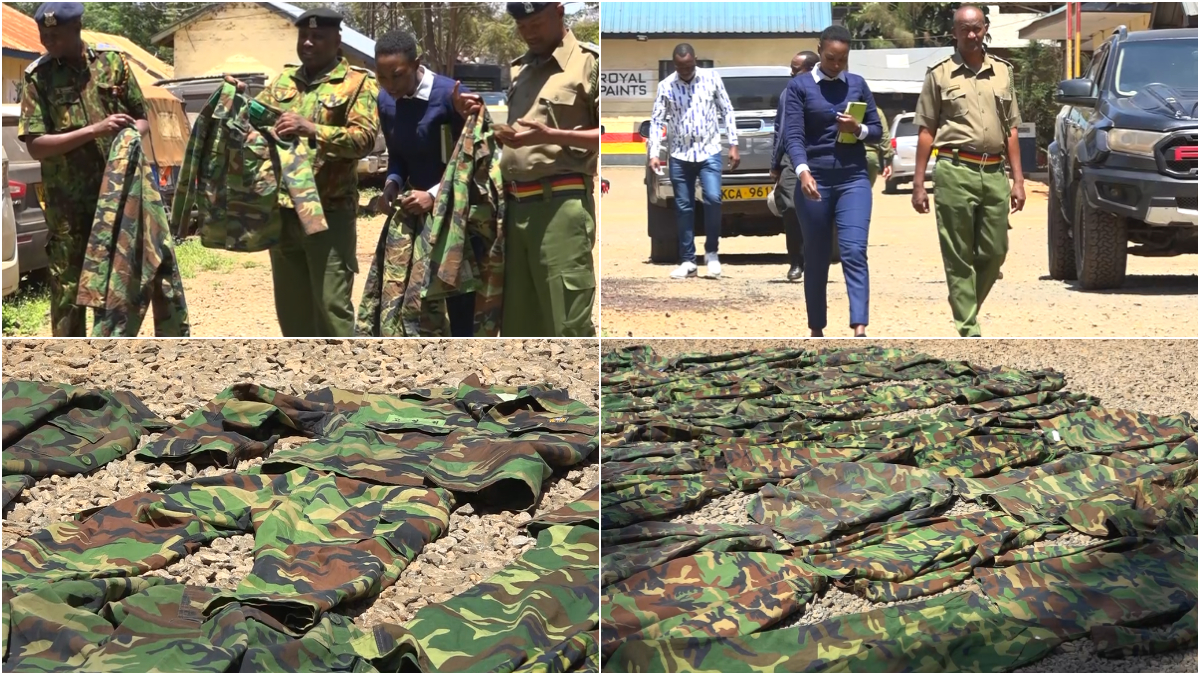
The National Police Service has laid out its own preparations. Inspector General Douglas Kanja has told Parliament that around 10,000 recruits are currently in training, and the Interior Ministry has committed roughly Sh20 billion toward modernising policing ahead of 2027, including a new command-and-control system, body-worn cameras, and expanded CCTV coverage — measures framed both as protection for officers and as tools for managing public order during the election period. Given Kenya’s police-to-population ratio, currently estimated near 1:531, this investment reflects a genuine operational need.
Alongside the technical upgrades, public commentary has also touched on questions of command and coordination — for instance, discussion around the Ol Kalou by-election has included differing views on how security operations there were managed. These are the kinds of questions that typically surface in the run-up to any election, and how they are addressed in coming by-elections may offer some indication of how security deployment is perceived once the general election arrives.
Party primaries and succession politics: a dynamic landscape
Beyond the IEBC’s technical calendar, both major political blocs are navigating their own internal processes. Within the governing coalition, the departure of former Deputy President Rigathi Gachagua and the formation of his Democracy for the Citizens Party have reshaped coalition arithmetic, including conversations around the running-mate slot and alignment in the Mount Kenya region. Within the opposition, leaders including Gachagua, Kalonzo Musyoka, Martha Karua, Justin Muturi, Fred Matiang’i, and Eugene Wamalwa are engaged in ongoing discussions about coalescing around a single presidential candidate, with differing views on questions like whether smaller parties should merge into a single vehicle.
Party primaries have historically been an intensive and closely watched phase of Kenya’s electoral calendar, often drawing as much local attention and scrutiny as the general election itself, given how tightly contested individual nominations can be. With coalition arrangements still taking shape a year out, and with newer parties such as DCP indicating they will hold primaries rather than issue direct nominations, this internal party process is likely to be one of the more closely followed storylines of the coming months, alongside the IEBC’s own preparations.
Citizens: sustained engagement and information quality
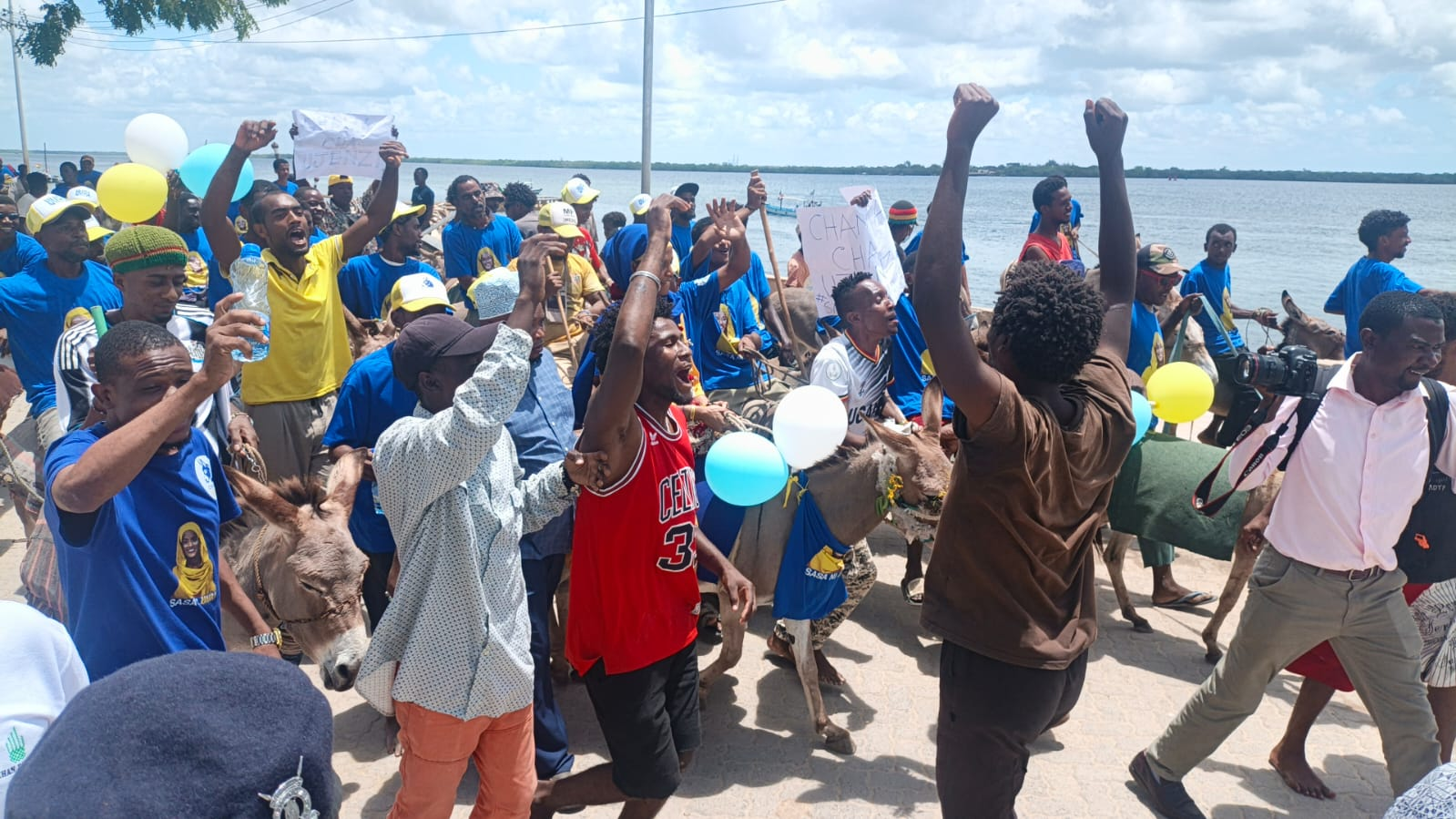
Kenya’s 2024–2025 youth-led civic mobilisation showed a notable capacity for organic engagement, often organised outside traditional party and ethnic structures. Civil society voices have encouraged that this energy carry forward into sustained participation — registration, informed voting, and ongoing civic engagement between elections — and drives such as the “Niko Kadi” registration campaigns suggest that momentum is continuing in some form.
Alongside this, observers have also pointed to the importance of information quality, noting that misinformation and disinformation, including AI-generated content, are an area of growing attention heading into 2027. As with previous election cycles, how voters access and evaluate information will likely shape public understanding of the process as much as formal civic participation does.
The Fourth Estate: an active but evolving role
Kenya’s media landscape continues to play its familiar watchdog and information role. Fact-checking organisations such as PesaCheck and Africa Check are active in verifying claims and countering manipulated content, and the growth of digital platforms has broadened who participates in reporting and civic commentary. At the same time, the media sector, like others globally, is navigating financial sustainability pressures, and there have been some notable moments of friction — including a 2026 Communications Authority directive on live protest coverage that the Kenya Editors’ Guild publicly disputed, citing a prior court ruling on the matter.
A well-resourced, independent media sector generally plays an important role in any election cycle, helping the public weigh competing claims from electoral, security, and political actors. How that role is supported and protected over the next year is likely to remain a relevant thread in the broader preparedness conversation.
Looking ahead
No single institution carries full responsibility for how the next 365 days unfold, and each of the actors above appears to be actively working through its own set of tasks. The IEBC has an opportunity to keep pairing its technical planning with clear public communication, particularly on the voter roll. The security sector’s modernisation efforts will likely be tested and refined further through the remaining by-elections. Political parties on all sides will be shaping their own primary processes in the months ahead. Citizens are showing signs of sustained civic engagement, and the media continues to play its customary role in public accountability.
Kenya has navigated election cycles of varying complexity before. As the country enters this final year of preparation, the overall picture is one of active work in progress across institutions — with the coming months likely to clarify how many of these open questions get resolved before Kenyans head to the polls in August 2027.