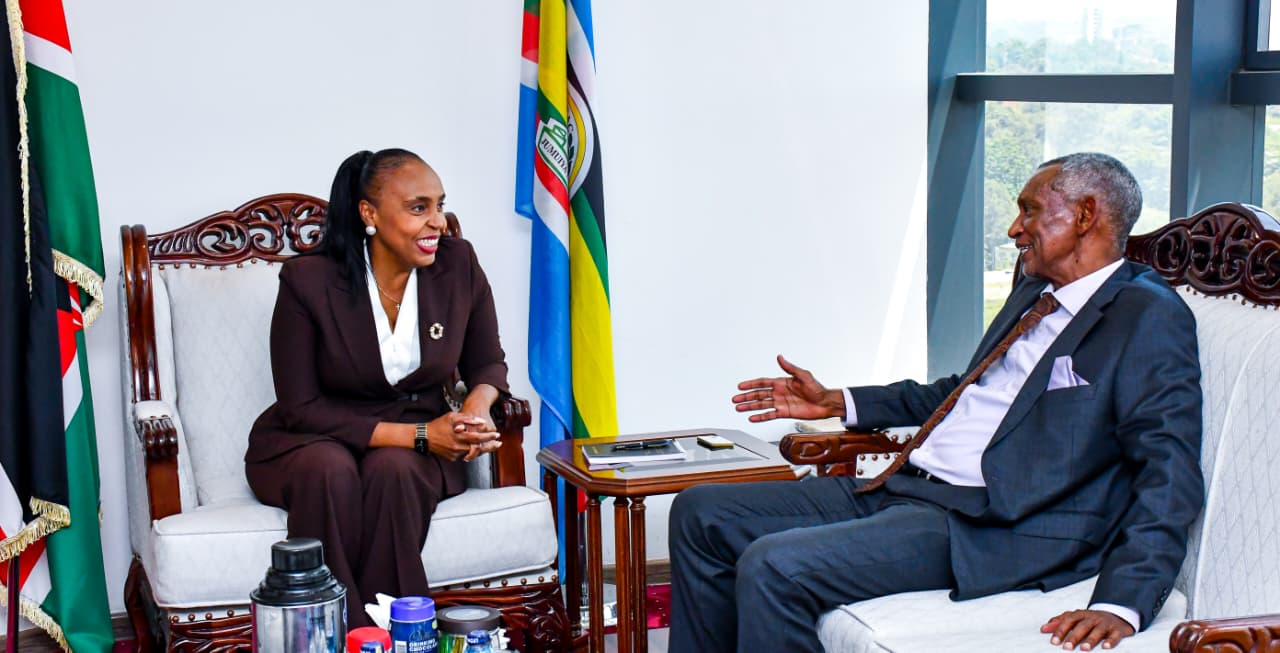
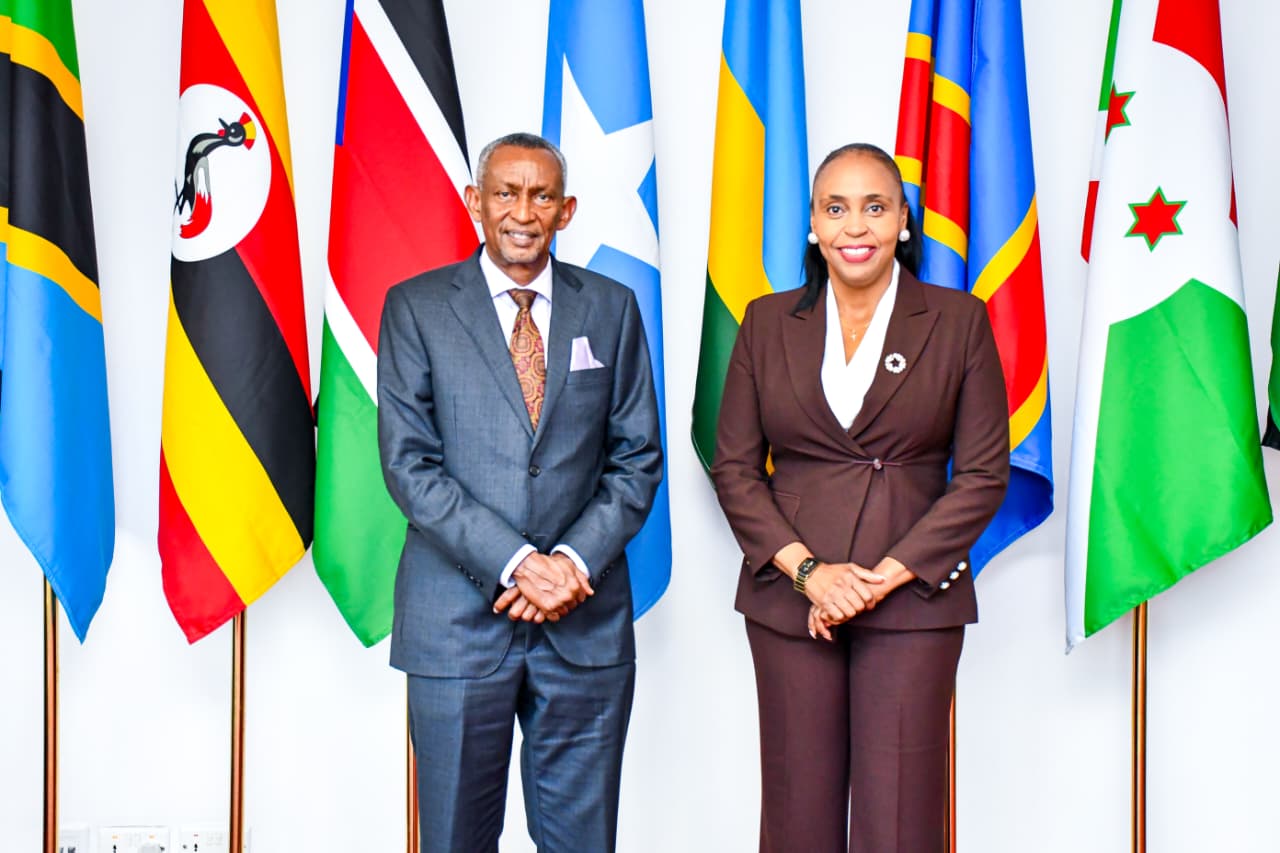
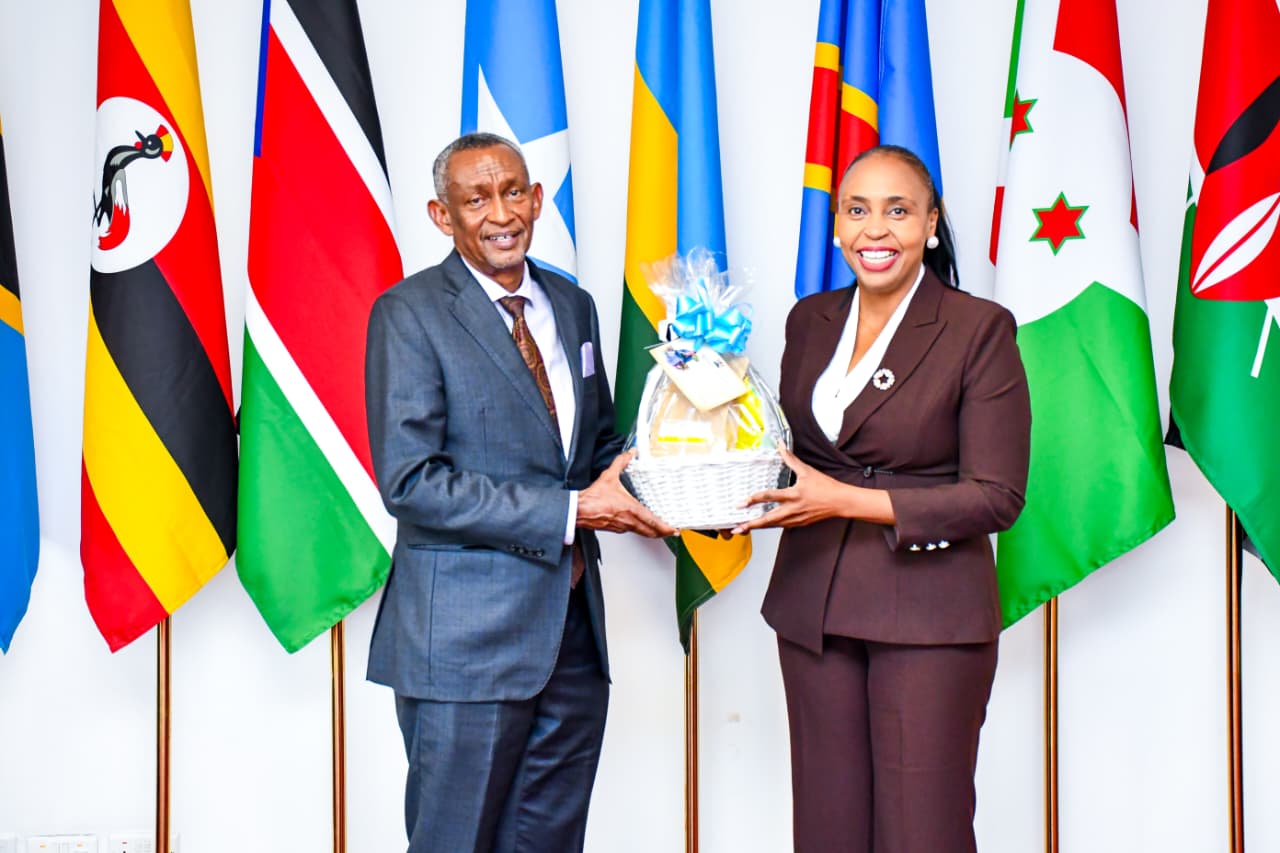
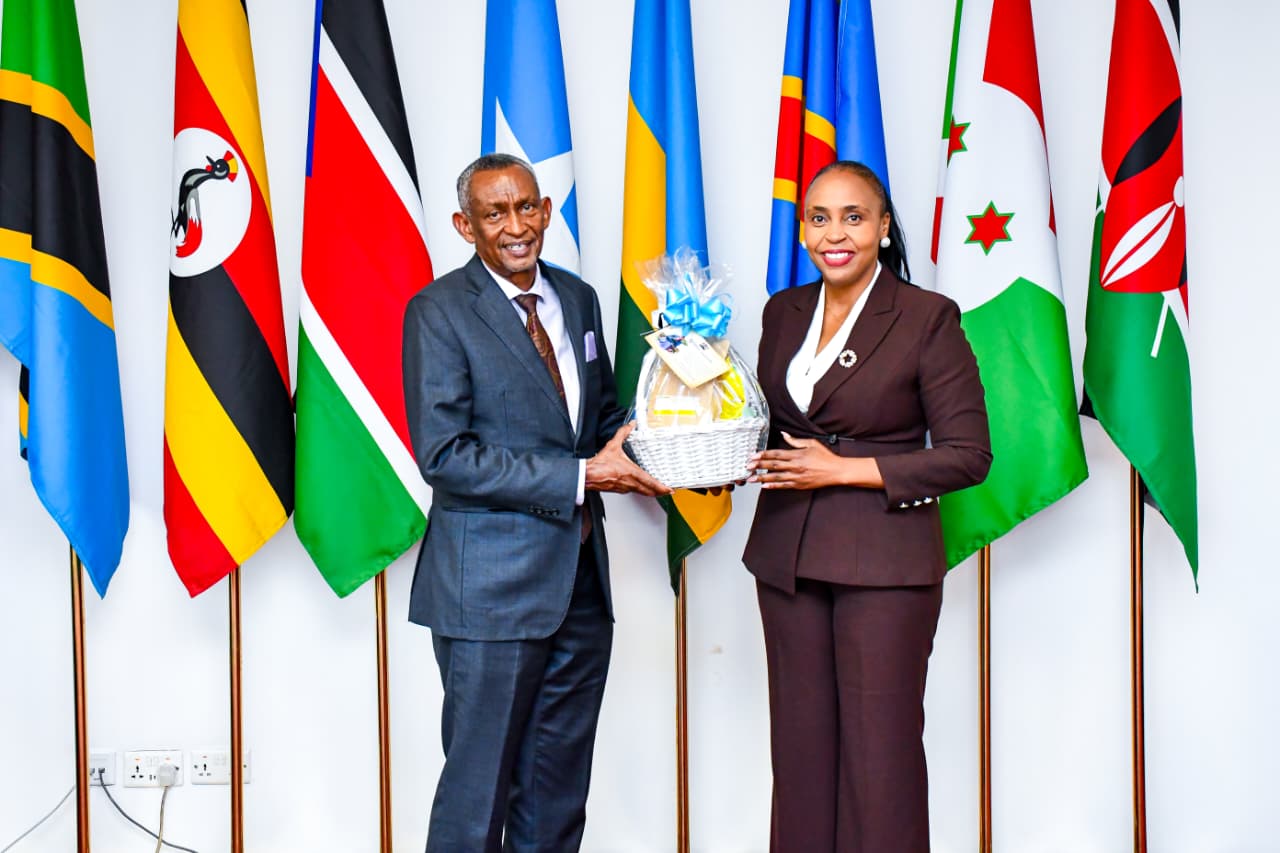
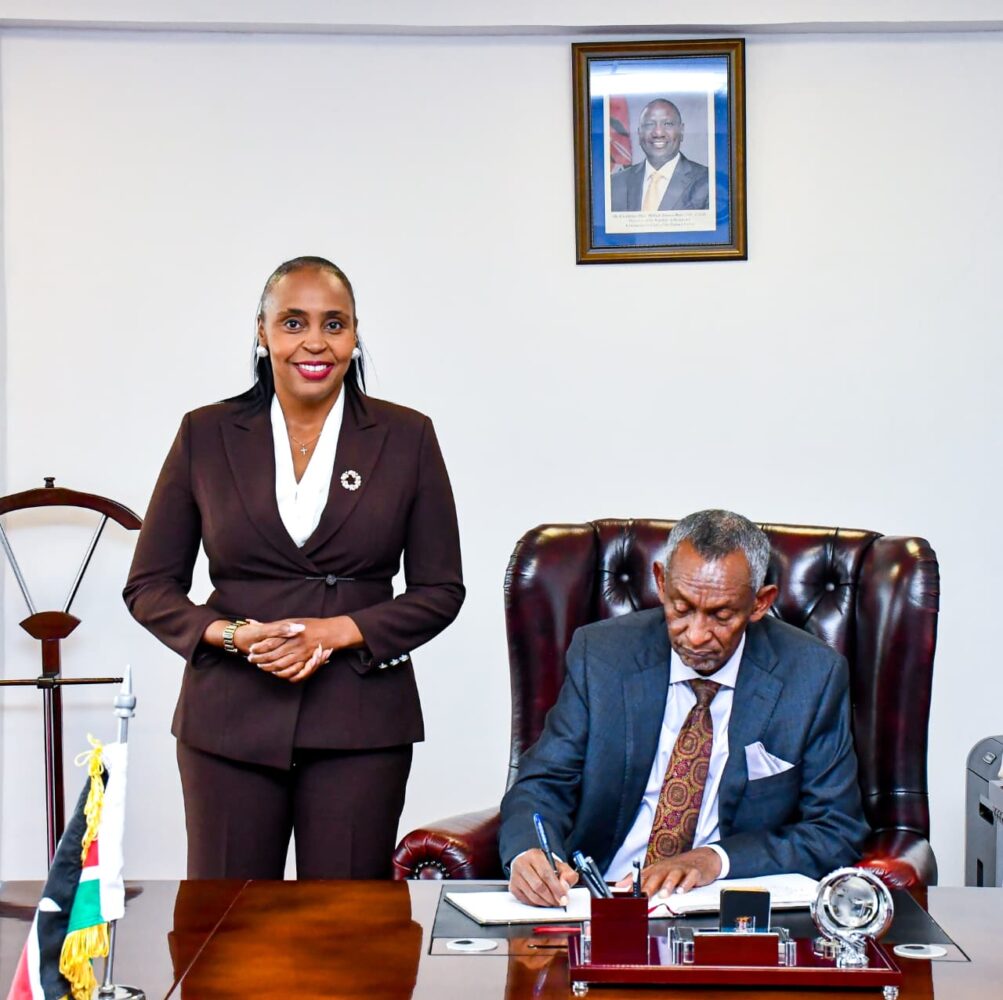
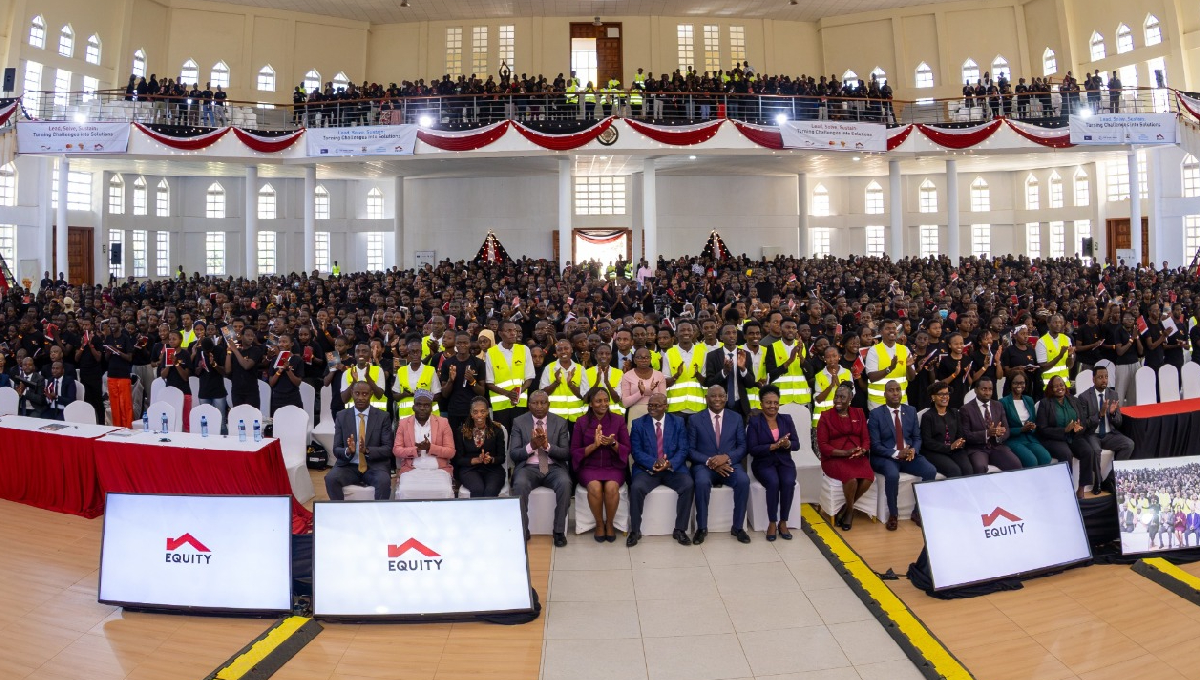
Ag. Principal Secretary for Arid and Semi-Arid Lands (ASALs) and Regional Development, Dr. Caroline W. Karugu, on Thursday, August 13 hosted Ambassador (Eng.) Mahboub Maalim for a strategic consultative meeting at her office.
As the Chairperson of the Equalisation Fund Advisory Board, Amb. Maalim leads a critical state affirmative action mechanism mandated by the Constitution of Kenya to bring basic services in marginalized areas up to standards enjoyed by the rest of the nation.
By directing targeted capital into fundamental infrastructure including sustainable water reticulation systems, feeder road networks, community health clinics, and grid/off-grid electricity connection, the Fund acts as a catalyst for economic unlocking.
The visit bridged three vital spheres of development:
- Financing Essential Infrastructure via the Equalisation Fund For decades, remote and ASAL regions have faced systemic underinvestment that hampered localized economic growth and public welfare. By channeling ring-fenced, constitutional affirmative action funding directly into these priority sub-locations, the State department bypasses traditional budgetary bottlenecks. This ensures that capital is deployed where the gap is widest, constructing modern health dispensaries, drilling high-capacity solar boreholes, and extending last-mile electricity grid connectivity directly to households and public institutions that previously lacked basic utilities.
- Catalyzing Socio-Economic Integration Access to basic infrastructure is the primary prerequisite for economic mobility. Upgrading local road networks opens remote agricultural and pastoralist markets to national supply chains, drastically reducing transport costs and post-harvest losses. Simultaneously, reliable water and power supply transform local trading centers into viable hubs for micro-enterprises, value-addition processing, and digital inclusion, integrating marginalized populations directly into the mainstream national economy.
- Human Capital and Human Rights Realization Under Article 43 of the Constitution of Kenya, access to clean water, health, and education is a fundamental human right, not a privilege. Accelerating service delivery directly improves maternal and child health outcomes, reduces waterborne disease burdens, and increases school retention rates particularly for young girls who traditionally bear the burden of long-distance water retrieval. Elevating these regions to national baseline standards restores dignity, fosters social equity, and strengthens national cohesion by ensuring that a citizen’s postal code does not dictate their quality of life.