
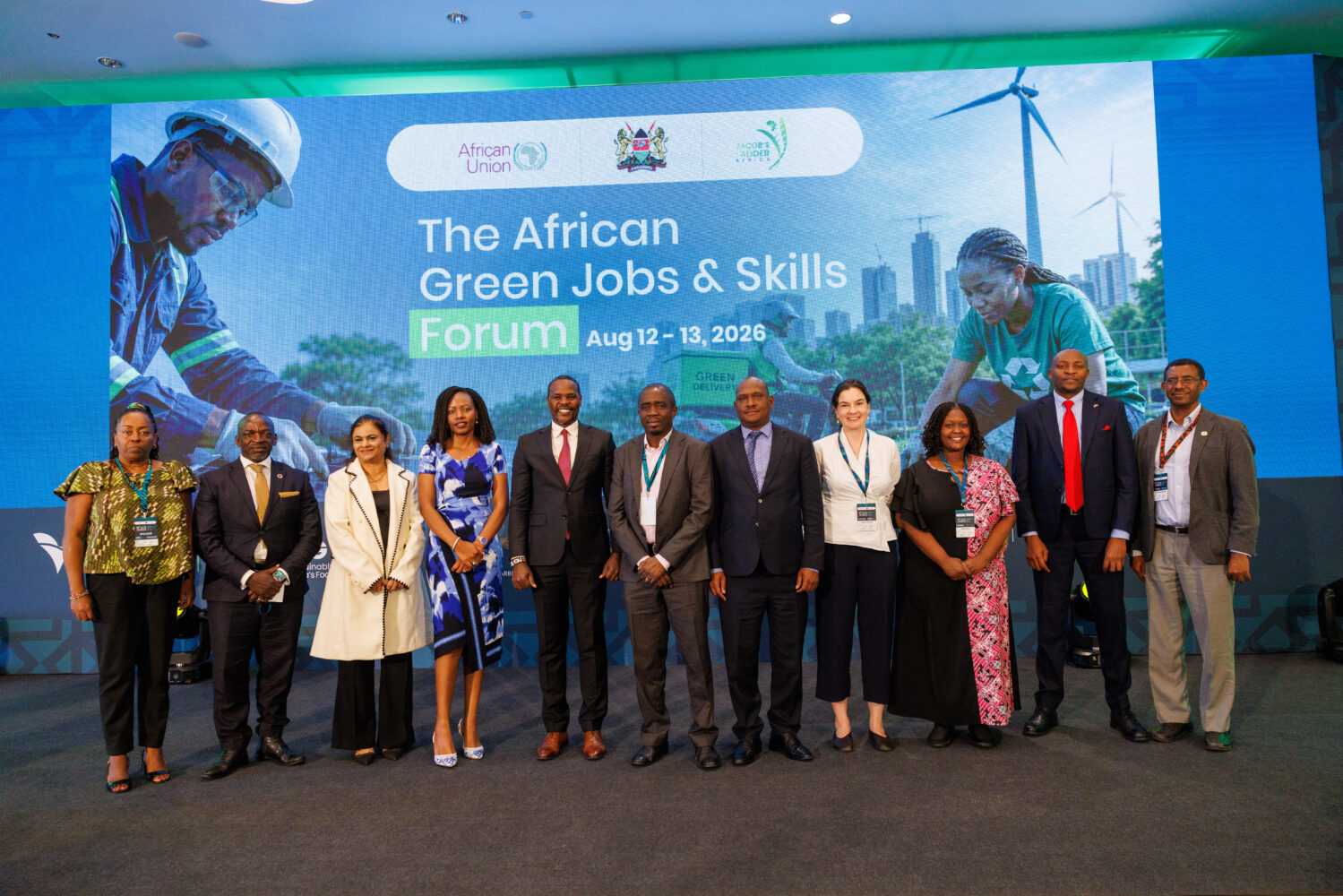
The GreenWorks 4 Africa: Africa Green Skills and Jobs Summit concluded in Nairobi today with senior government officials, development partners, private-sector leaders, researchers and practitioners calling for a more coordinated approach to the skills, employment and enterprise systems that will underpin Africa’s green economic transformation.
The closing day brought together Hon. Dr. Eng. Festus K. Ng’eno, Principal Secretary, State Department for Environment and Climate Change, Sellah Bogonko, Co-Founder and CEO of Jacob’s Ladder Africa and representatives from development and research institutions.
Dr. Eng. Ng’eno welcomed the approach taken by the Forum, describing it as a useful departure from conventional conferences and emphasising the importance of translating dialogue into implementation.
“We truly appreciate what you are doing as Jacob’s Ladder Africa. Governments across Africa are looking for models that work because our dignity and prosperity depend on it.” He linked the green economy to Kenya’s wider development ambitions as the nation begins to sketch out Vision 2060, arguing that investment in green energy and green economic systems must be understood as investment in national development. “Investing in green energy is investing in national development.”
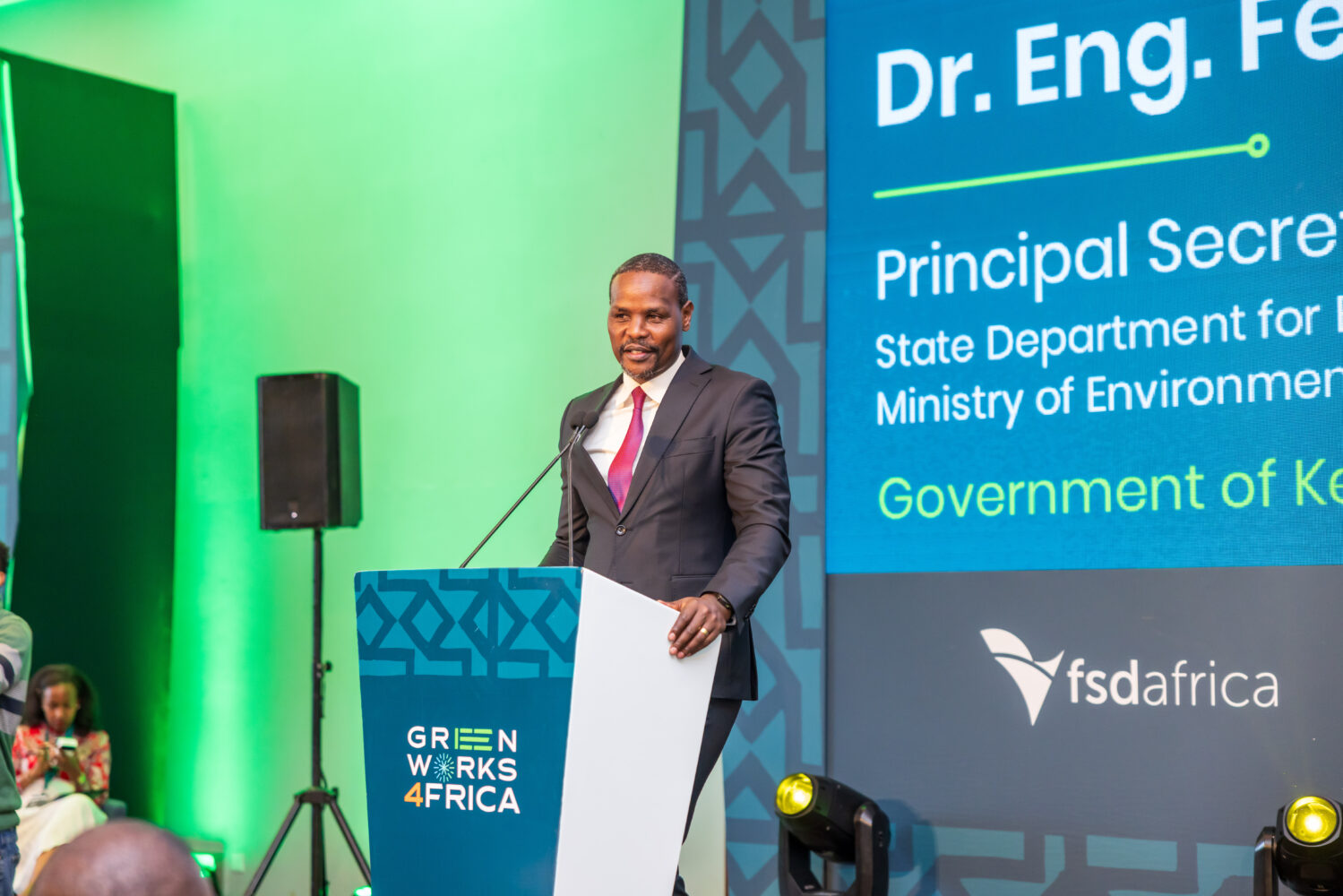
The Principal Secretary also welcomed the Forum’s emphasis on bringing diverse stakeholders together to work on practical solutions and said the approach had helped move the conversation beyond dialogue towards delivery.
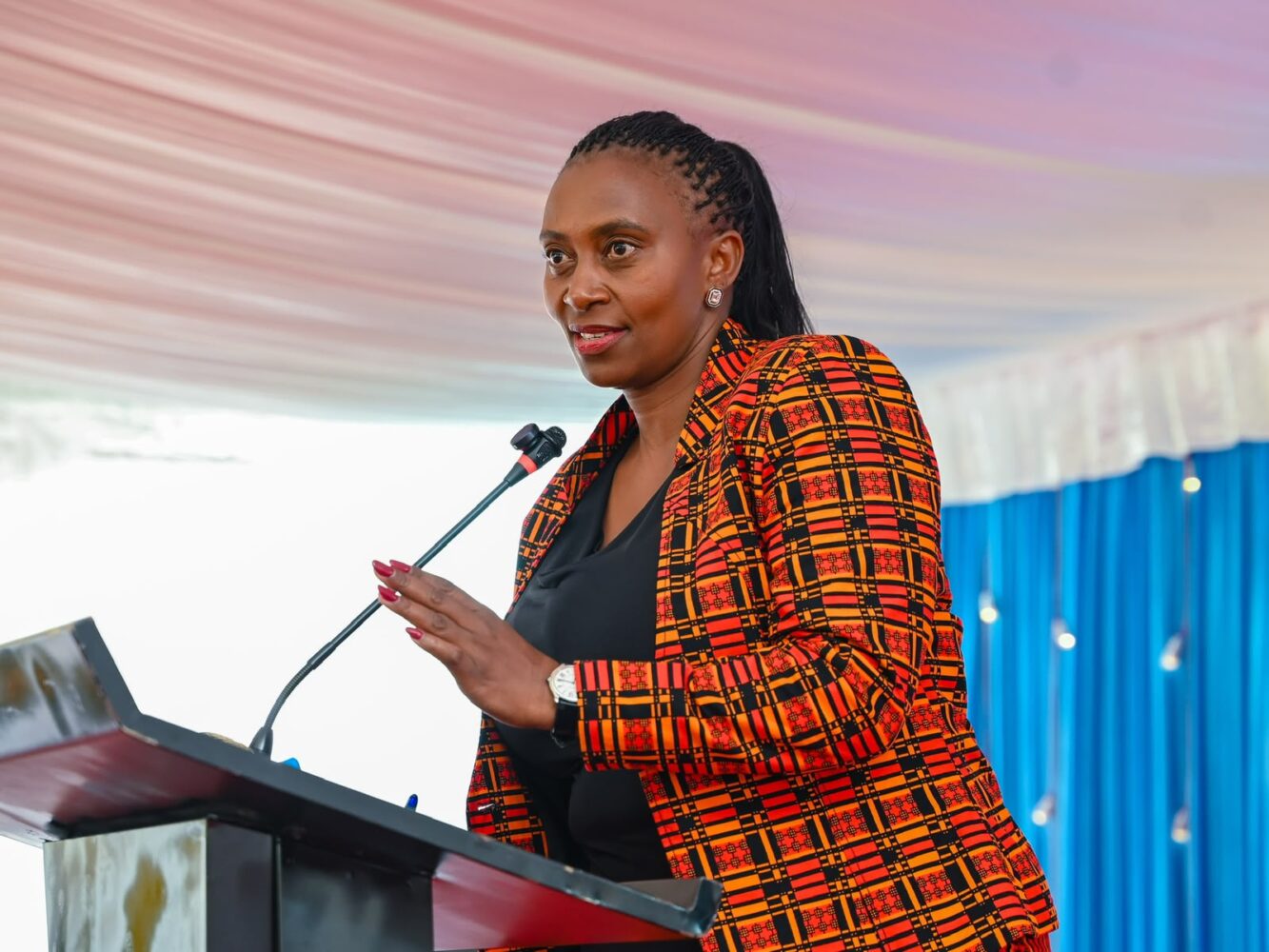
In her remarks, co-founder and CEO of Jacob’s Ladder Africa, stated that the value of GreenWorks 4 Africa lies in bringing different actors into the same problem-solving space and examining how successful approaches can travel across contexts. “We must connect the dots that ensure that we are moving in the same direction, in a concerted manner and with the same effort.”
Among the recommendations emerging from the thematic discussions was the need to make dual training and apprenticeships integral to green skills development, with stronger participation from employers and industry. Participants also called for the expansion of recognition of prior learning, ensuring that young people and workers who have developed skills outside formal education are not excluded from emerging opportunities.
The discussions further underscored the importance of aligning training with labour-market demand, so that curricula and skills programmes respond to the occupations and capabilities that businesses and value chains actually require. There was also a strong call to invest in locally led solutions and local capacity, recognising communities, enterprises and practitioners as active contributors to the design of green economic solutions, rather than simply recipients.
The shared consensus was the need for stronger collaboration across government, business, skills institutions, investors and development partners, enabling interventions to be designed and implemented as connected systems rather than isolated programmes.
Underpinning all of this was the need to build green economic planning around Africa’s demographic reality, treating the continent’s growing young population as an economic asset and deliberately creating the pathways for young people to participate in and benefit from the green economy.
The Forum also advanced the broadening of the Alliance for Greening Skills and Opportunities Africa, creating a broader platform for continued collaboration among governments, employers, investors, academia, skills institutions and other stakeholders around Africa’s green skills and employment agenda.