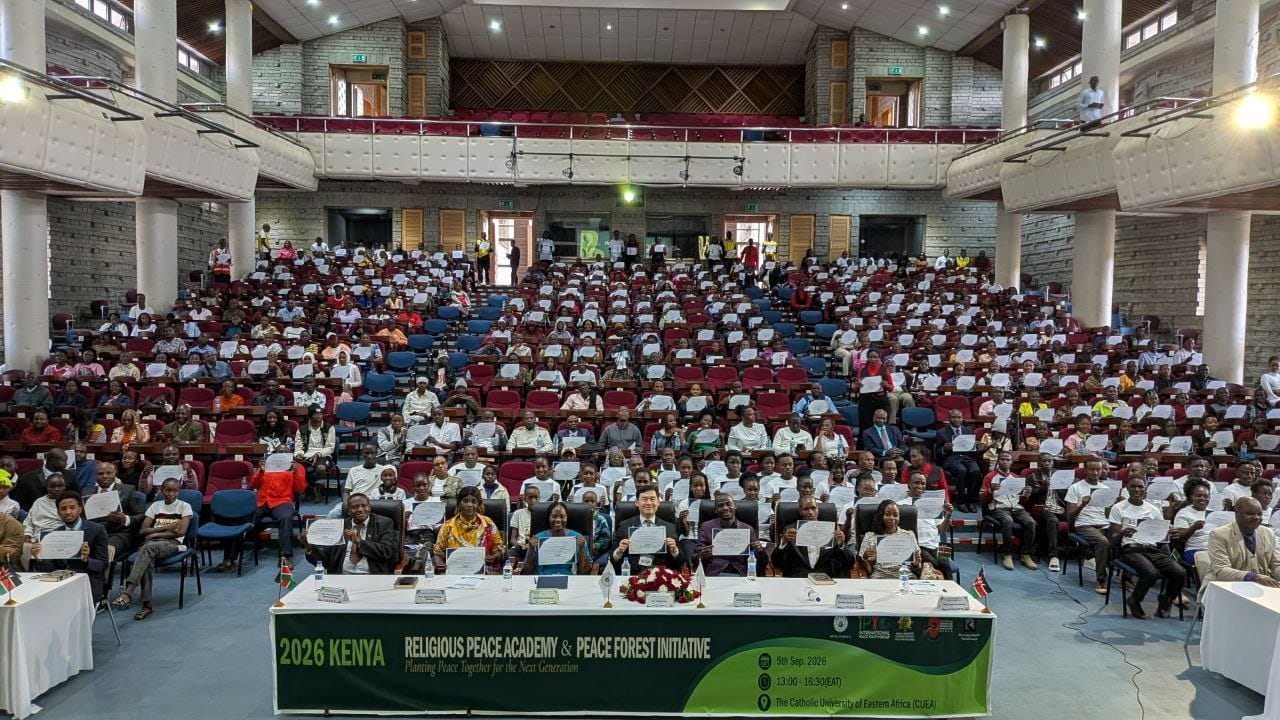
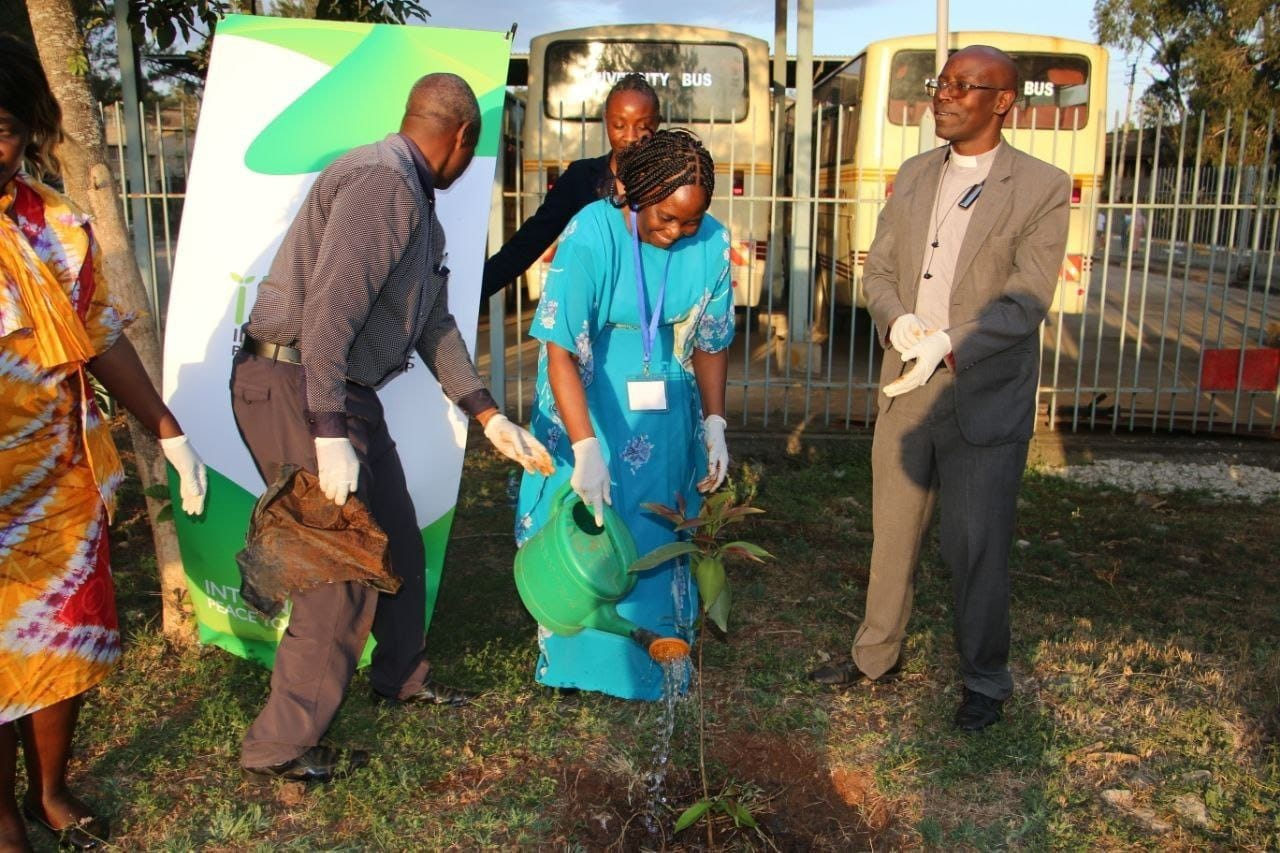
Religious leaders, government representatives, United Nations officials, civil society actors, academics, youth and peace advocates gathered today at the Catholic University of Eastern Africa (CUEA), Nairobi, for the 2026 Kenya Religious Peace Academy (RPA) and Peace Forest Initiative, under the theme: “Planting Peace Together for the Next Generation.”
The gathering, convened by Heavenly Culture, World Peace, Restoration of Light (HWPL), brought together diverse voices to promote interreligious understanding, peaceful coexistence, responsible leadership and practical action for peace.
The Academy placed particular emphasis on confronting hate speech, discrimination, religious intolerance and division, while encouraging religious and community leaders to become active agents of reconciliation and peace.
The event also featured a collective peace pledge, through which participants committed themselves to reject hate speech and violence, choose dialogue over division, and use their words and actions to build peace.
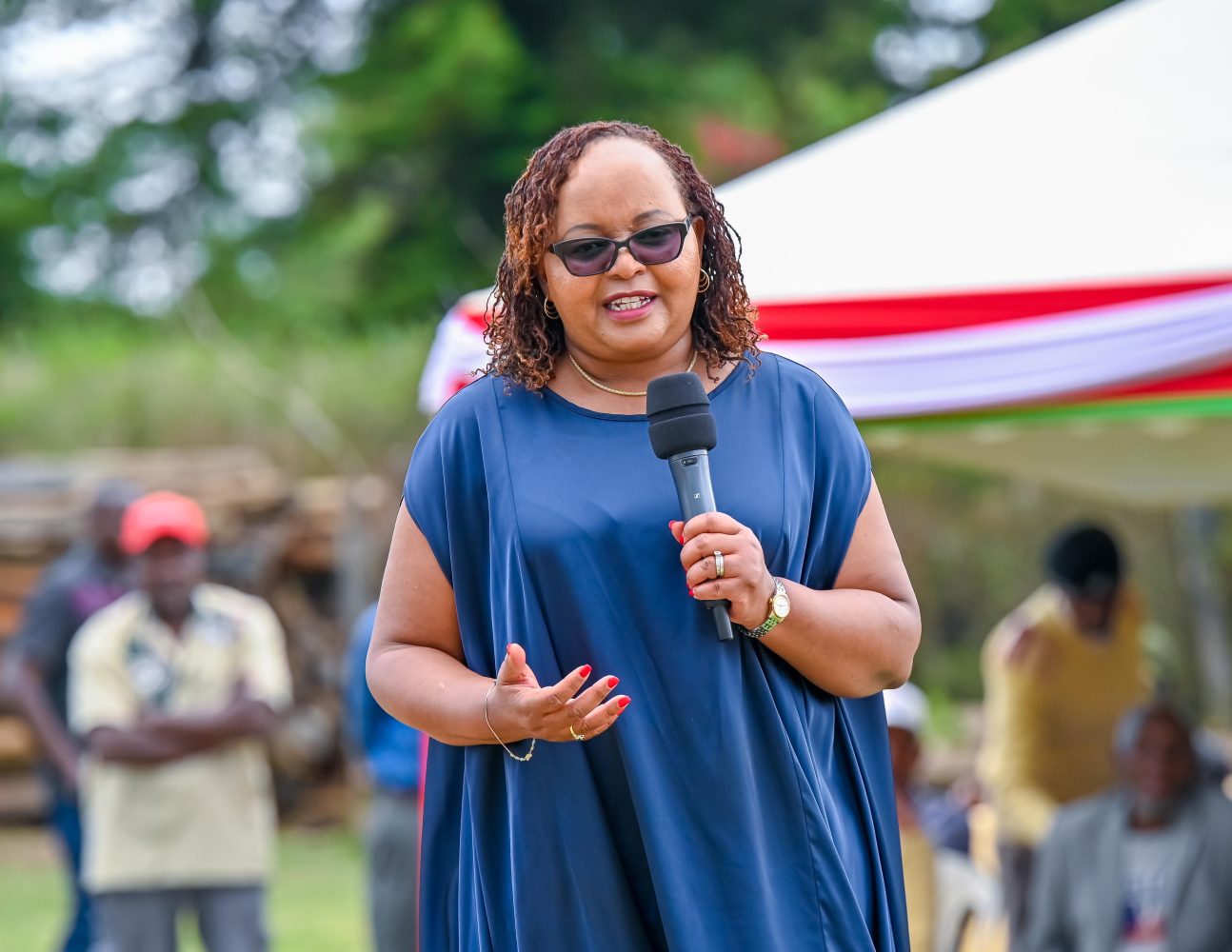
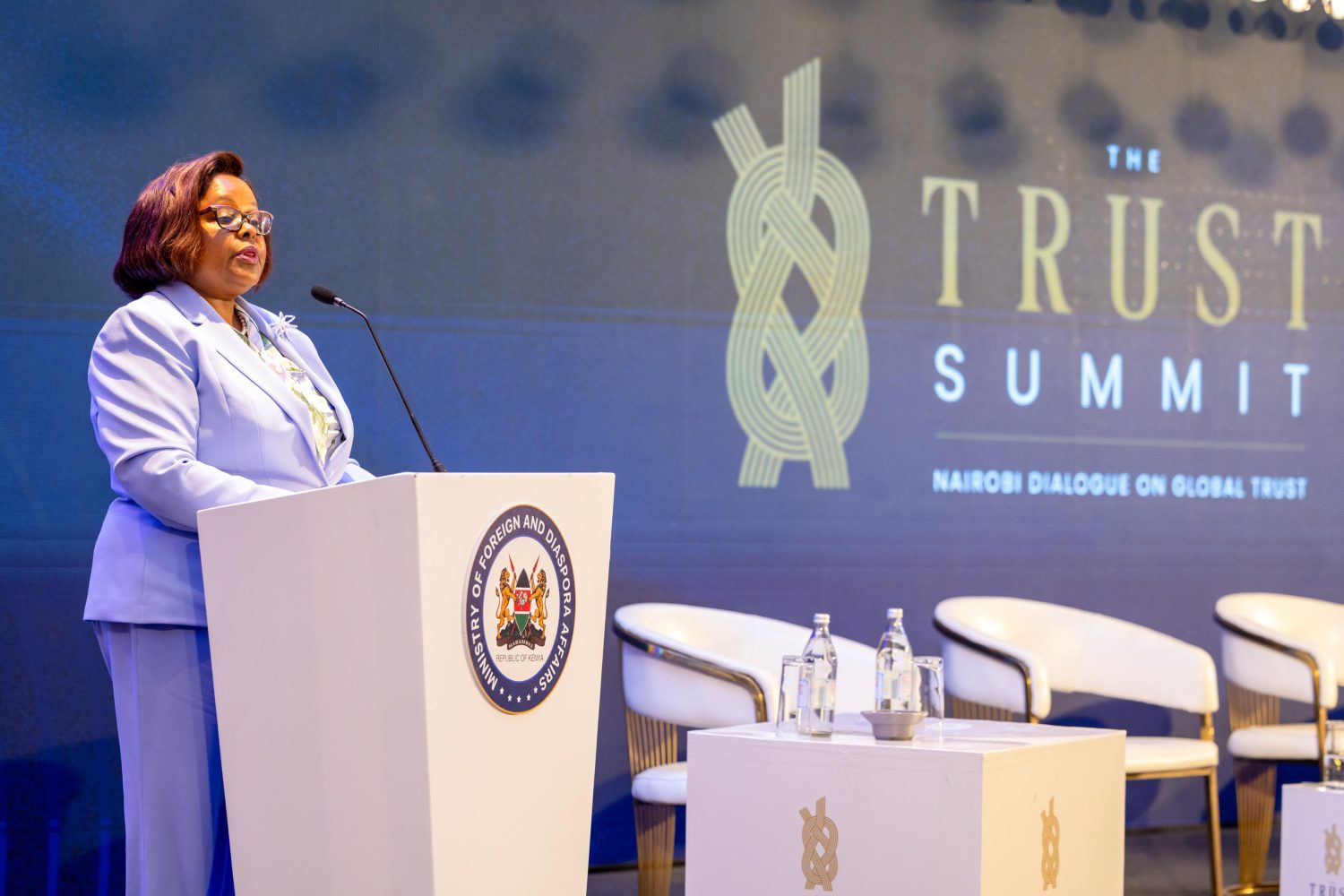
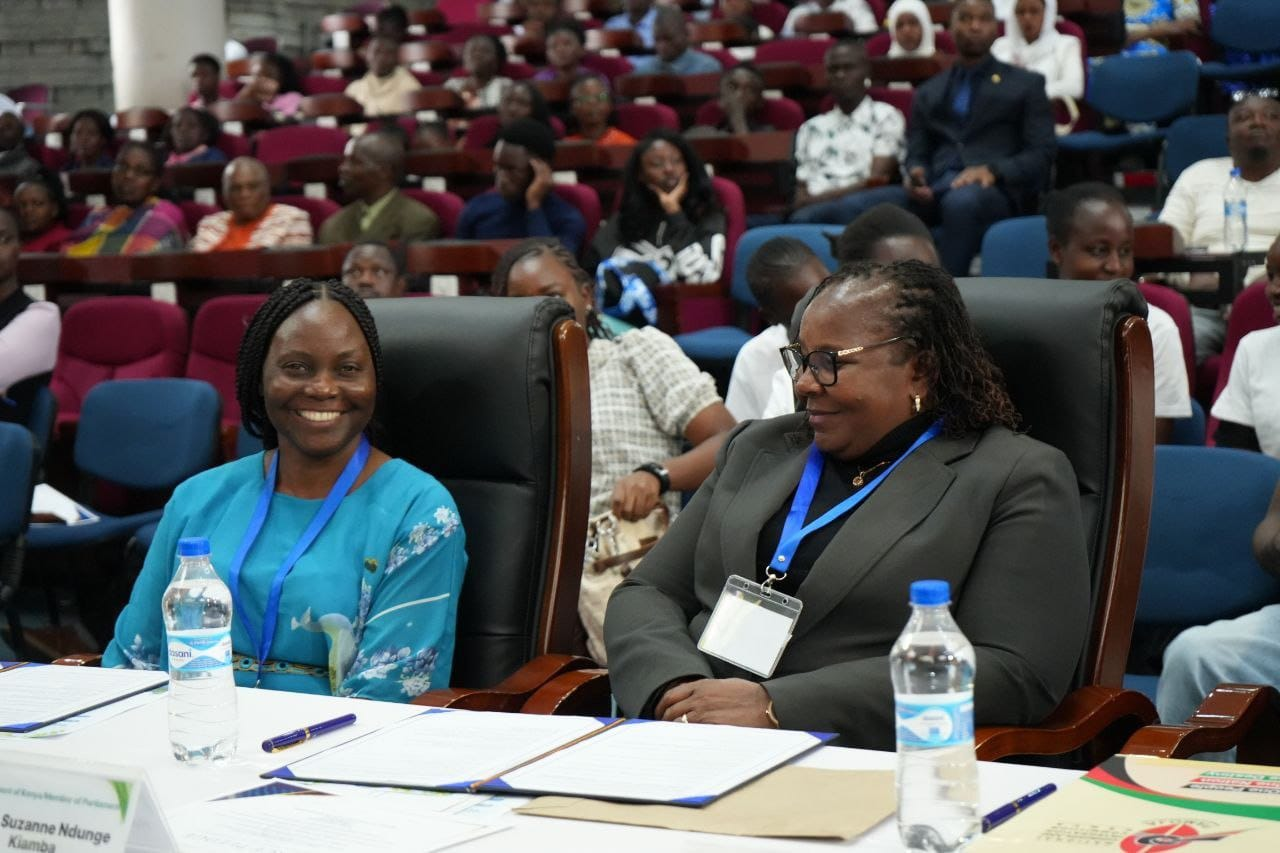
Suzanne Kiamba, Member of Parliament (MP) for Makueni Constituency, called for communities and leaders to take ownership of peacebuilding.
“Peace cannot remain an idea that we discuss only in conferences. It must become something we practice in our homes, our communities and our institutions. When we empower women, engage young people and strengthen communities, we build societies that are more resilient to conflict, hatred and division. Let us plant peace today so that the next generation can inherit a Kenya where differences are not a source of conflict, but strength,” she said.
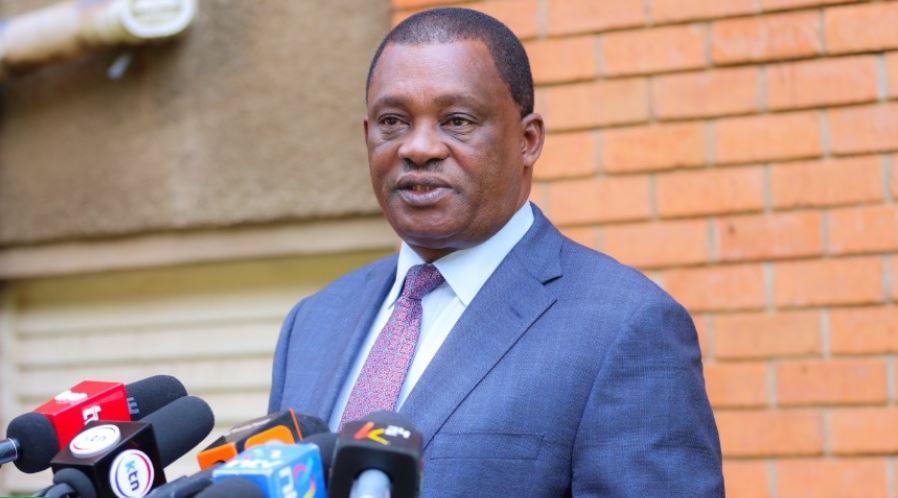
Bishop Dr. Kepha Nyamweya Omae, Chairperson of the National Cohesion and Integration Commission (NCIC), emphasized the responsibility of Kenyans to reject hate speech and promote national cohesion.
“Hate speech does not merely offend, it can deepen divisions, destroy trust and create an environment in which violence becomes possible. Every Kenyan has a responsibility to use words that unite rather than divide. Religious leaders, public officials, young people and communities must work together to build a culture where diversity is respected and peaceful coexistence becomes our shared national value,” Omae stated.
Ms. Prisca Kamungi, Peace and Development Officer at the United Nations Resident Coordinator’s Office in Kenya, highlighted the importance of inclusive partnerships in sustaining peace.
“Sustainable peace is built when people, institutions and communities work together. Faith leaders, women, young people, government, civil society and international partners each have a role to play,” he said.
He added, “By bringing these voices together and turning dialogue into practical action, we can strengthen social cohesion and create communities where everyone has an opportunity to contribute to peace and development.”
Taejun Lee, Chief Director of HWPL, reaffirmed HWPL’s commitment to advancing peace through cooperation among people of different faiths and backgrounds.
“Peace is not created by one person, one religion or one institution. It is created when people choose to understand one another, reject hatred and work together for a common future. HWPL believes that religious leaders have a unique responsibility to guide society toward peace. Today, we are not simply gathering to speak about peace, we are gathering to make a commitment to live it,” Lee said.
Archbishop Josam Kariuki called on religious communities to lead by example in building bridges across differences.
“Religion must never become a reason for division. Our faith communities have the moral responsibility to teach love, respect, forgiveness and reconciliation. When we sit together, listen to one another and serve our communities together, we demonstrate that our differences need not separate us. We can disagree in belief while still agreeing on the sacred value of human life and the need for peace,” Kariuki added.