
The El Niño weather phenomenon is strengthening rapidly in the Pacific and is expected to become very strong before reaching its peak towards the end of 2026.
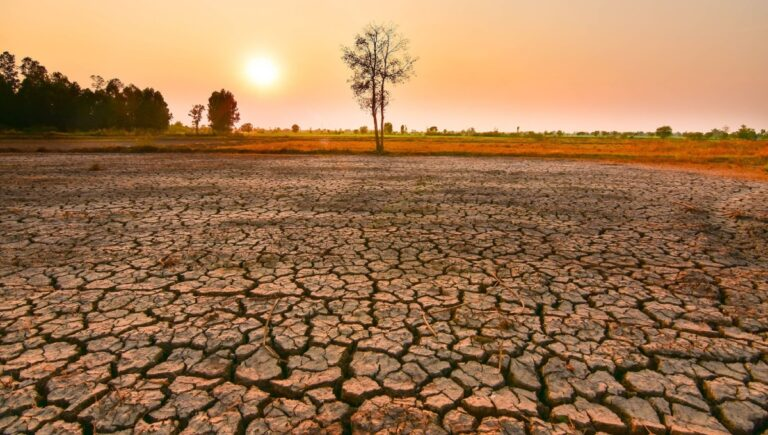
The World Meteorological Organization says El Niño is almost certain to continue until February 2027, with unusually high temperatures, heavy rains, floods and drought expected in different parts of the world.
The warming Pacific Ocean is driving the weather pattern. Temperatures below the surface in some parts of the tropical Pacific were more than 8°C above normal in July and early August.
The effects are expected to be felt across Africa, including East Africa, where changing rainfall patterns could bring both heavy rains and dry conditions depending on the location.
The WMO says temperatures are expected to remain above normal across almost the entire globe between September and November.
UN Secretary-General António Guterres warned that El Niño is growing rapidly, saying the planet is entering a period of rising heat and greater weather disruption.
El Niño is a natural climate cycle that occurs every two to seven years when waters in the central and eastern Pacific become warmer than normal. It affects rainfall and temperatures in many parts of the world.
Scientists say there is no clear evidence that climate change is making El Niño itself more frequent or stronger. However, a warmer planet can make the effects of the phenomenon more severe.
The WMO has called for stronger preparedness, with national weather agencies being mobilised to improve early warnings for sectors including agriculture, health, water and energy.
WMO Secretary-General Celeste Saulo warned that the strong El Niño could have a major impact on communities and economies, with drought and flooding expected to worsen as the event develops.
For Kenya, the changing weather pattern will require close monitoring, particularly because rainfall is critical for agriculture, water supplies and livestock.
The WMO says the El Niño is still building, with its full impact expected to become clearer as it approaches its peak later this year.