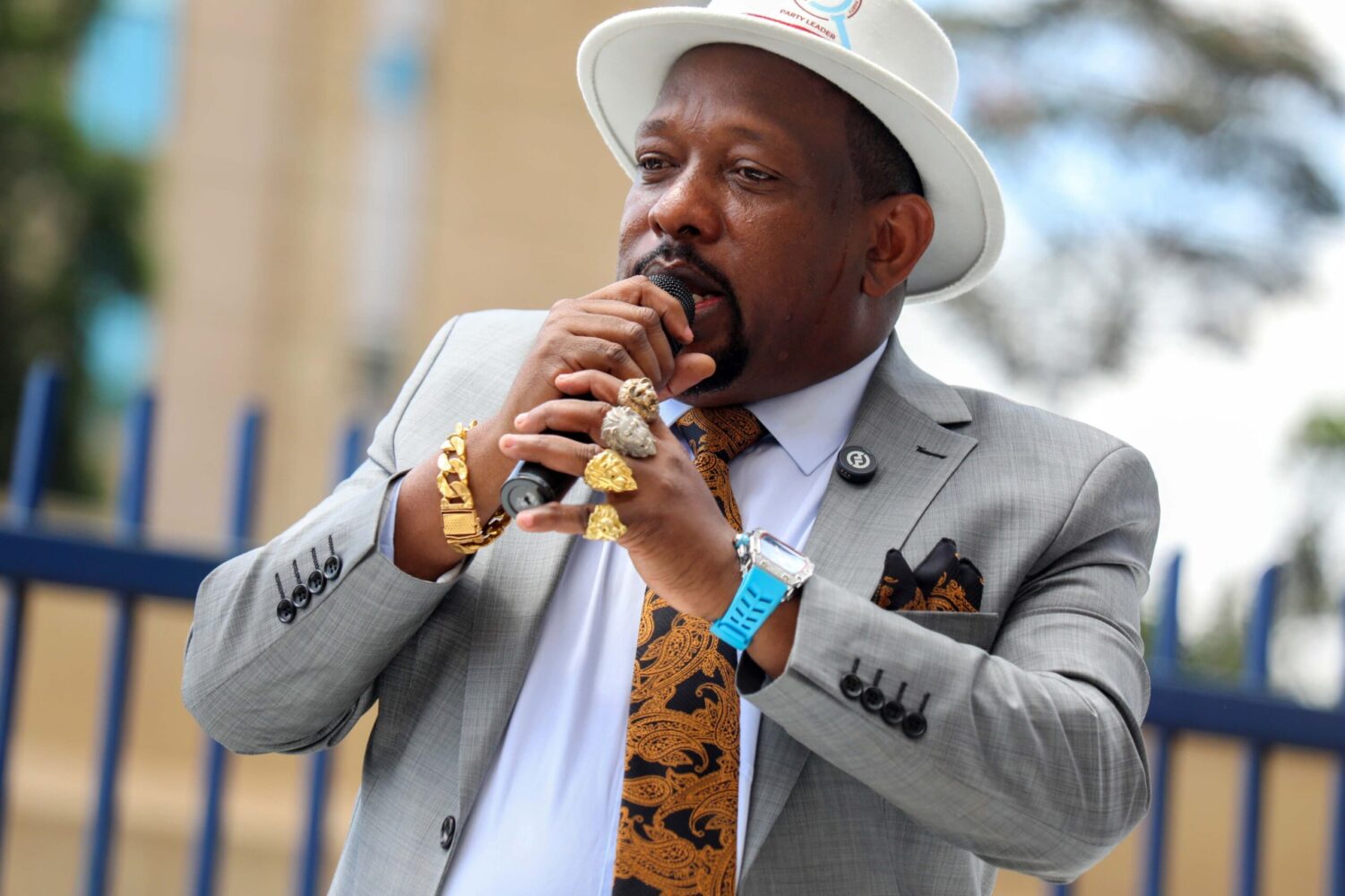


As Kenya stands on the eve of Mashujaa Day 2026, opposition principal and Wiper Patriotic Front party leader Kalonzo Musyoka has cast a sharp spotlight on the delicate balance between the nation’s political maturity, security obligations, and environmental preservation.
Speaking in Nairobi a year after the passing of his former coalition partner Raila Odinga, the Wiper Patriotic Front leader delivered a speech that went beyond typical political rhetoric.
Instead, it served as a sober reflection on institutional accountability and a poignant tribute to the resilience of ordinary citizens navigating a challenging economic and political landscape.
The address arrives at a time of heightened anxiety following recent security breaches. The chaotic scenes that marred Odinga’s memorial service at Migwena in Bondo, resulting in five arrests and the recovery of weapons, alongside the recent attack on Trans Nzoia Governor George Natembeya, underscore a worrying trend of localized political intolerance.
Rather than focusing on the youths hired to disrupt public events, Musyoka directed a firm challenge to the Inspector-General of Police and the Directorate of Criminal Investigations (DCI) to “follow the money.”
In a mature democracy, arresting the foot soldiers is a cosmetic fix. True deterrence lies in unmasking and prosecuting the financial sponsors of political thuggery.
Furthermore, the sudden withdrawal of Governor Natembeya’s security detail demands a formal, transparent explanation. State protection for elected leaders must remain an institutional guarantee, entirely insulated from partisan dynamics.
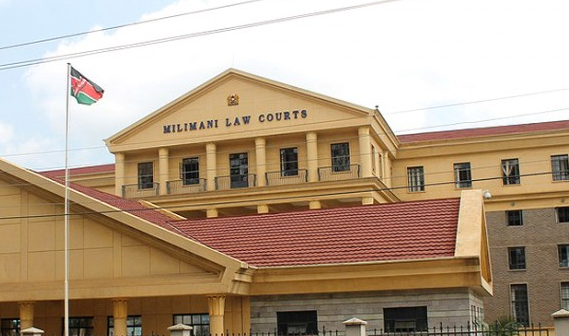
On the environmental front, Musyoka, acting as lead counsel in the matter, welcomed the October 14 conservatory orders from the Environment and Land Court in Nyandarua, which halted all logging in the Aberdare Forest.
This judicial intervention is a critical victory for the country’s ecological future. The Aberdares serve as a vital water tower for millions of Kenyans.
Any continued logging in defiance of this order would not just be legal contempt; it would be an unsustainable assault on our natural resources. Enforcement agencies must now act decisively to show that environmental protection takes precedence over commercial interests.
Perhaps the most enduring element of the briefing was its forward-looking message to the youth on the eve of national celebrations.
Citing Article 33 (Free Expression) and Article 37 (Peaceful Assembly), Musyoka reminded young Kenyans that their constitutional rights are inherently tied to respecting the dignity and political choices of others. He urged them to reject the transactional exploitation that often turns them into political militias during campaign seasons.
In a stirring tribute, the address reframed the traditional meaning of Mashujaa. While historical icons like Mekatilili wa Menza, Dedan Kimathi, and Wangari Maathai deserve their place in history, the modern survival of Kenya rests on the shoulders of unsung heroes.
Healthcare workers keeping rural and urban clinics running under strain. Boda boda riders and mama mbogas driving the informal economy every morning. The resilient youth who continue to show up and work through economic hardships.
“I did not find despair,” Musyoka noted of his recent interactions across the country. “I found people who are tired, and angry, and still working. Anyone who can be that tired and still show up is not a defeated person.”
As political formations begin to eye the August 10, 2027 general election, with upcoming public engagements slated for Migori and Homa Bay, the message for Kenya remains clear: the ballot card, rather than organized chaos, remains the ultimate tool for civic expression.
For a country preparing to celebrate its heroes, ensuring institutional rule of law, protecting our water towers, and honoring the daily hustle of its citizens may well be the finest way to celebrate the true spirit of Mashujaa.