
Kirinyaga Governor Anne Waiguru has warned that the Mt Kenya region risks losing political influence and development opportunities if it abandons President William Ruto in his re-election bid.
Waiguru reiterated her earlier claim that the community risks spending up to 30 years outside government if it turns against an administration it helped bring to power.
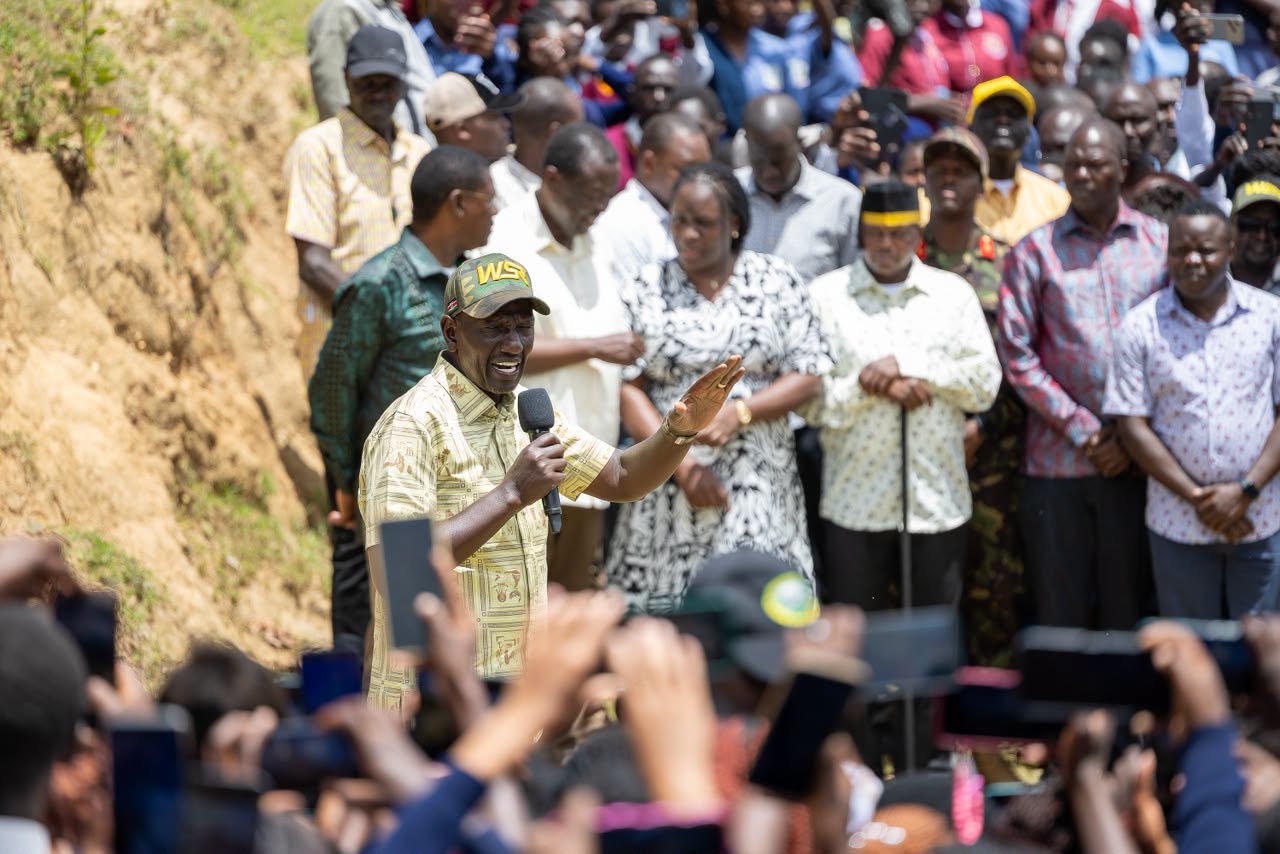
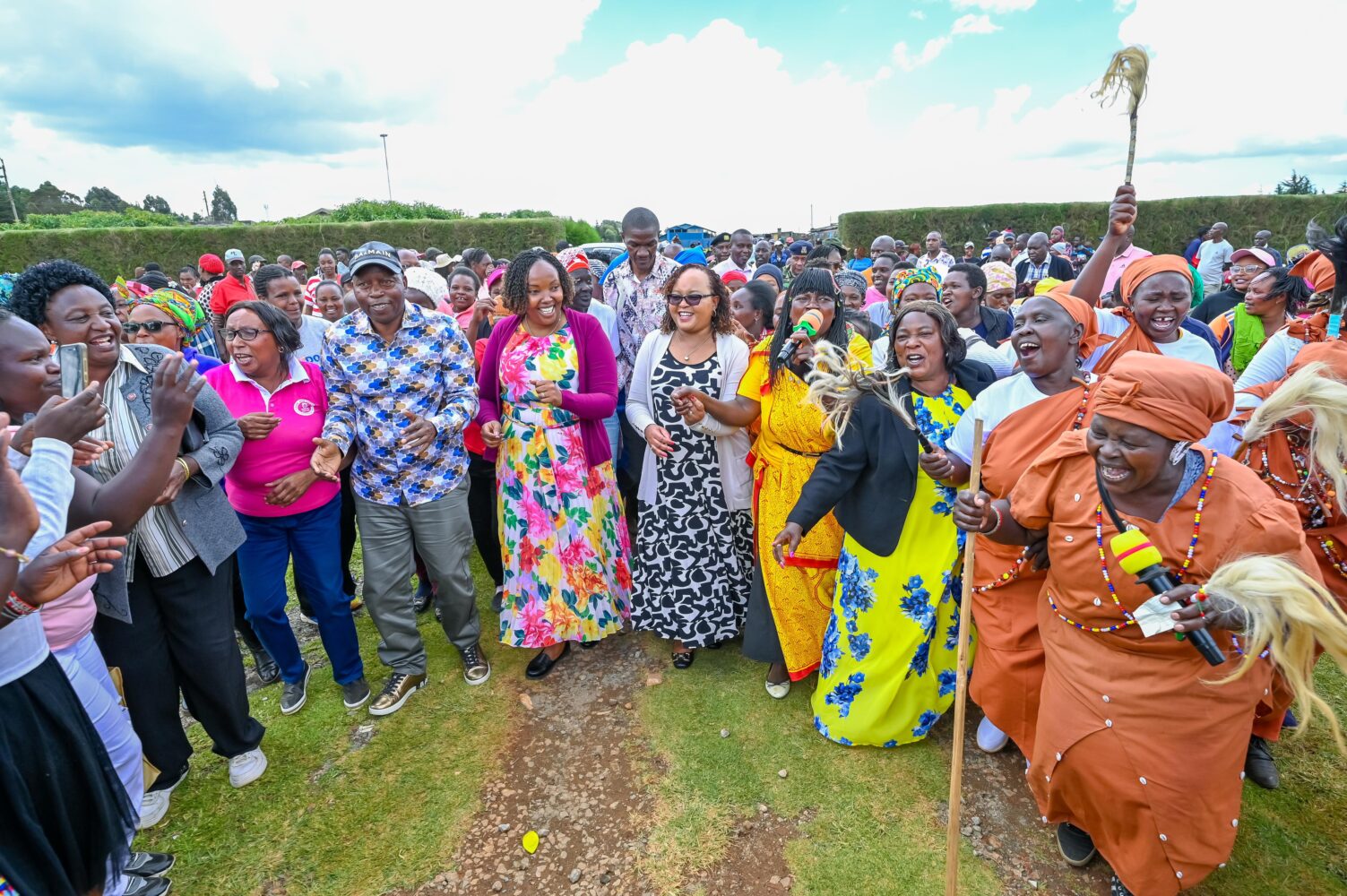
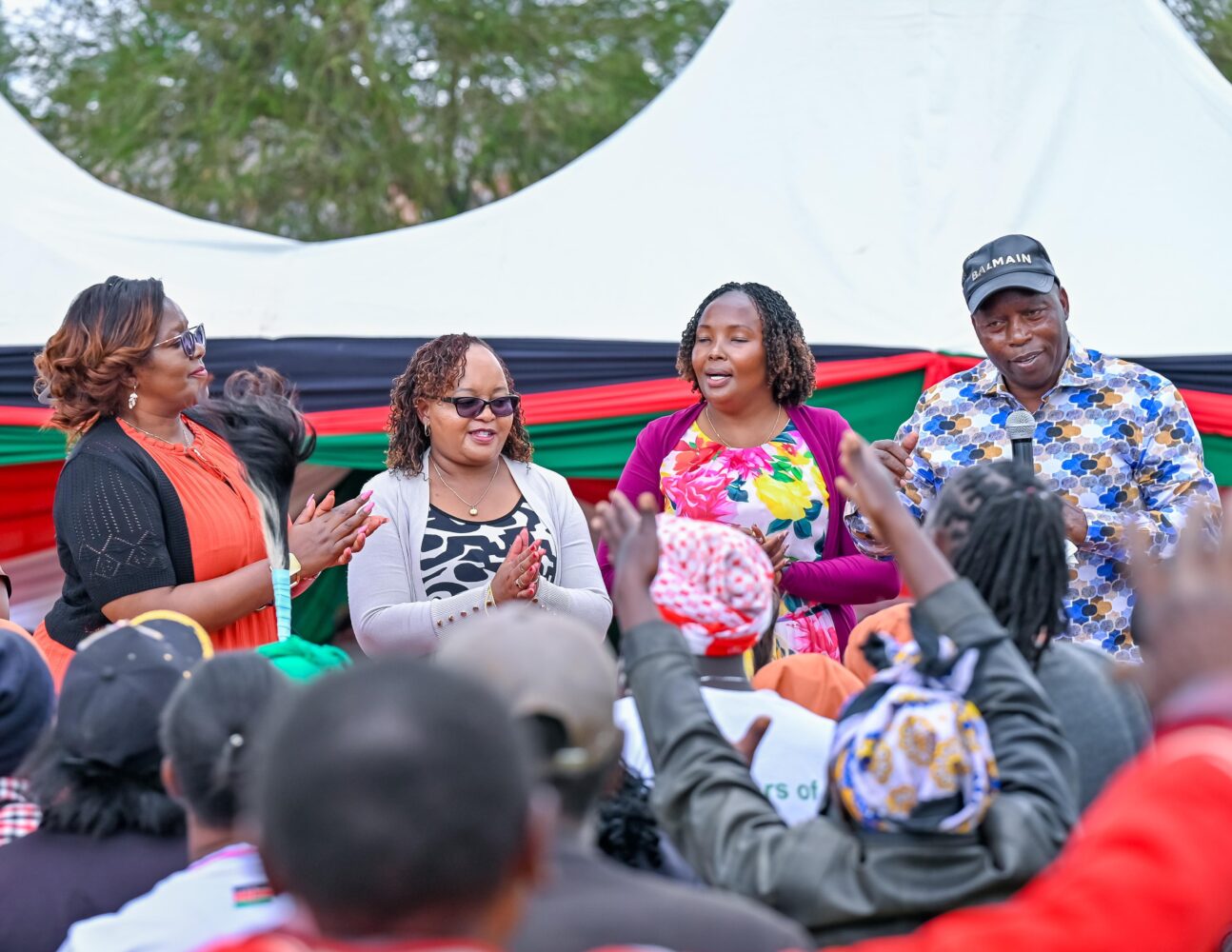
Speaking during a community empowerment forum in Laikipia East, Waiguru maintained that Ruto was on course to secure a second term in office and urged the Mt Kenya electorate to reconsider calls for a one-term presidency.
She argued that the opposition’s fragmentation, lack of a unified presidential candidate and internal divisions made it unprepared to mount a successful challenge against Ruto in 2027.
Waiguru said the region risked isolating itself politically by joining an opposition whose leaders, she argued, had yet to agree on a common direction, while other parts of the country were consolidating their support for the President.
“I have done my calculations, and I can tell you without fear or favour that William Ruto is going to be re-elected President for a second term. We are being misled as a community that we have eight million votes and can determine everything on our own. The President has traversed the country, and his support has grown across the counties,” she said.
The governor, who said she regularly engages with fellow governors and therefore has insight into the country’s political dynamics, claimed that Ruto had support in at least 33 counties, making it difficult for the opposition to defeat him.She cautioned that while sections of the Mt Kenya electorate might feel disappointed by aspects of the administration’s performance, abandoning the President altogether could undermine the region’s long-term interests.
“Ruto has done one term, and there may be issues that have discouraged people, but we cannot throw the baby out with the bathwater. Removing a President is not easy. We have the experiences of 2017 and 2022 to reflect on. Our one-term song will not get us to State House,” she said.
She said the Mt Kenya community needed to assess its options realistically rather than assume that its numerical strength alone would determine the outcome of the next election.
“What is wiser: to remain outside government for more than 30 years or to support a government in which we are already represented? Do not cut your nose to spite your face. You may think you are punishing Ruto, but you are punishing yourself,” she said.
She added that being part of the national government gave communities an opportunity to engage decision-makers, advocate for their interests and influence the allocation of development opportunities.
The governor said her position was informed by her experience in public service and her understanding of the country’s political history, having served in government during the administrations of former Presidents Mwai Kibaki and Uhuru Kenyatta before becoming governor of Kirinyaga.
“I have not only been a leader for 10 years. Even before that, I had a track record of service in the private sector and in the political space. I served during Kibaki’s time at the Treasury and later during Uhuru’s time in Cabinet. I have had exposure to public affairs, and I know what I am talking about,” she said.
Waiguru also invoked Ruto’s political history with Kenyatta, arguing that the President had demonstrated loyalty by supporting Kenyatta’s presidential ambitions in 2013 and remaining in his political camp in 2017, despite having other political options.
She said the arrangement between the two leaders had been based on an understanding that Kenyatta would serve two terms before Ruto took his turn, adding that the Mt Kenya community should consider that history when deciding its political direction.
“William Ruto had an opportunity to vie for the presidency in 2013, but he stood with Uhuru when many people were against him. In 2017, he still stood with Uhuru, even when their working relationship was not always comfortable. There was an understanding that Uhuru would serve for 10 years and Ruto would later have his 10 years. We should remember these things,” she said.
Waiguru urged residents not to allow political differences to degenerate into ethnic divisions, saying the interests of the Mt Kenya community were inseparable from those of the wider country.
“I am a Kikuyu, but most importantly, I am a Kenyan. Our businesses operate across the country, our children do business across communities, and they marry across communities. If we allow tribalism to divide us, will our children be free to travel and do business throughout Kenya?” she posed.
She said political leaders had a responsibility to promote national cohesion rather than mobilize communities against one another for electoral gain.
The governor also defended Ruto’s development record especially on security, citing improvements in Laikipia, which she said had experienced insecurity for years before the current administration’s interventions.
“Laikipia had security problems for a long time, but today the county is calm because of the work William Ruto has done to improve security. If I lie, correct me, but if I tell you the truth, you should equally agree,” she said.
Waiguru said elected leaders should be judged by their performance, arguing that governing was difficult and that achievements should be acknowledged even where citizens had concerns about particular policies or decisions.
“When we elect leaders, we elect them to work for us. It is not easy to govern, but when someone performs, we should acknowledge it. In Kirinyaga, we say that work should speak for itself,” she said.
She maintained that Ruto’s development record and his previous political support for Kenyatta were reasons the Mt Kenya community should carefully reconsider calls to withdraw support from his administration.
“Let us stand with the President for our own interests and for the future generations. I have come here to tell you the truth, and I will continue telling my community the truth wherever I go,” she said.
On her post governorship ambitions, Waiguru said she had completed her development agenda in the county and was ready to hand over to another leader to continue the work, expressing her readiness to serve at the highest levels of national leadership, including as Deputy President, a declaration that drew applause from the audience.
At the same time the governor praised the community empowerment programme by Laikipia Woman Representative Jane Kagiri, noting that such initiatives gave people opportunities to improve their livelihoods and participate more actively in economic development.
Kagiri, in turn, cited developments in Kirinyaga, particularly improvements in the road network and street lighting, as examples of what counties could achieve through cooperation with the national government.
She urged Laikipia residents not to be misled into turning against an administration that she said had begun addressing the county’s longstanding challenges, urging that engagement with the government will ensure that ongoing development initiatives were completed and that the county continued to benefit from national programmes.
The forum was also attended by Laikipia West Member of Parliament Stephen Karani and Kiambu County Woman Representative Anne Muratha, who also campaigned for Ruto’s re-election.