
LVCT Health has called for stronger partnerships between government, the private sector and development institutions to accelerate Universal Health Coverage (UHC) as shrinking development assistance and rising healthcare demands put pressure on health systems.
The organisation made the call during a high-level meeting in Nairobi that brought together health leaders from government, business, healthcare and development institutions to explore sustainable approaches to healthcare financing and service delivery.

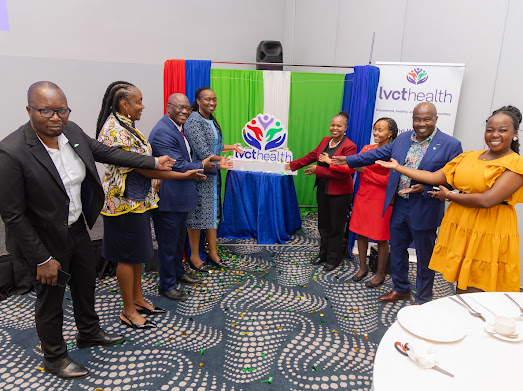
The event also marked the launch of LVCT Health’s new brand identity, reflecting its growth from an organisation rooted in HIV programming into a broader health systems, innovation and implementation partner.
LVCT Health Board Chairperson Patrick Obath said collaboration across sectors would be essential to addressing increasingly complex public health challenges.
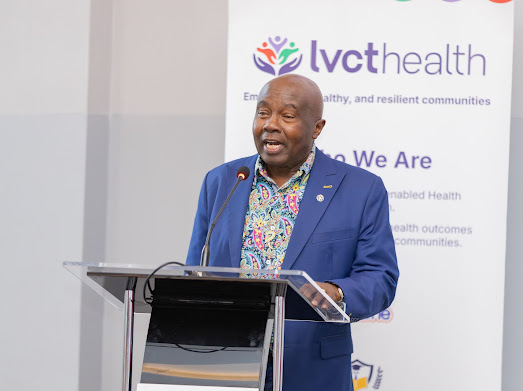
“For more than 25 years, LVCT Health has combined research, innovation and implementation to address complex public health challenges. The next chapter will require deeper collaboration across sectors,” Obath said.
He added that organisations capable of connecting evidence, technology, financing and delivery expertise would play an increasingly important role in strengthening health systems and improving outcomes.
The call comes as governments face mounting pressure to expand access to healthcare while improving efficiency and strengthening domestic financing amid constrained development funding.
LVCT Health Executive Director Dr Lillian Otiso said the changing health landscape required greater investment in locally led solutions and partnerships capable of delivering services at scale.
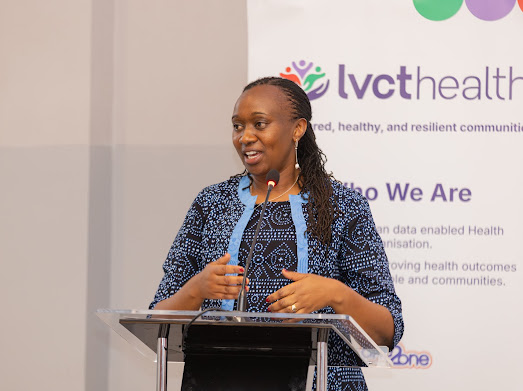
“Health systems across Africa are entering a period of profound change. Funding models are evolving, health needs are becoming more complex,” Otiso said.
She said the organisation’s new identity reflected its expanded capabilities in digital health, research, workforce development, implementation and technical advisory services.
“We are working alongside governments, funders, healthcare providers and the private sector to deliver impact at scale,” she added.
The Kenya Healthcare Federation (KHF) also emphasised the need for closer public-private sector collaboration to achieve Kenya’s healthcare goals.
KHF Chief Executive Officer Dr Anne Musuva said Kenya could build more resilient and responsive health systems by combining the strengths of government, private enterprise, development partners and civil society.
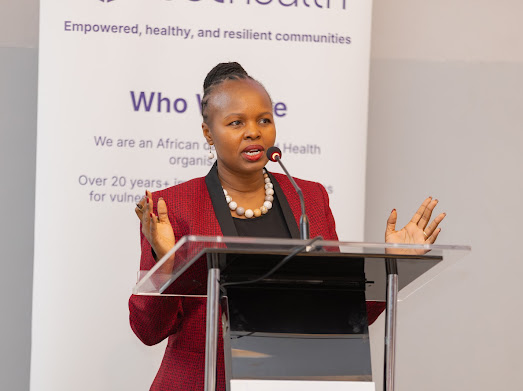
“Achieving Universal Health Coverage will require the combined strengths of government, private enterprise, development partners and civil society,” Musuva said.
She noted that innovation and implementation expertise from organisations such as LVCT Health could help improve healthcare delivery.
Over the past two decades, LVCT Health has expanded its work beyond HIV to include mental health, sexual and reproductive health, gender-based violence, maternal and child health, community health systems and emerging health threats.
Digital health has become a key part of its strategy. Its One2One digital platform has reached more than six million people, connecting them to health information, counselling and support services.
The organisation’s digital health portfolio also supports service delivery, workforce development, data use and programme management across multiple health priorities.
Its Social Enterprise division is also expanding, with more than 85 organisations and corporates accessing workplace health services, mental health support, training, safeguarding expertise and organisational resilience programmes.
The growth reflects increasing recognition of employee wellbeing, mental health and institutional capacity as important elements of stronger organisations and healthcare systems.
LVCT Health currently operates across 36 counties in Kenya, reaching more than one million people annually through its programmes, partnerships and services.
The organisation says it aims to scale its reach to 30 million people across Africa by 2030, working with governments and funders to develop community-based, system-level and digital health solutions.
Its programmes cover HIV and tuberculosis prevention and care, adolescent sexual and reproductive health, mental health, gender-based violence, maternal health and emerging threats, including antimicrobial resistance and climate-related health risks.
As Kenya pursues Universal Health Coverage, the organisation maintains that stronger local institutions, sustainable financing and cross-sector partnerships will be critical to expanding access to quality healthcare and sustaining gains already made.